
COSMO SOURCING BLOG
Best Countries to Manufacture Shoes List // Top 8 for Your Brand
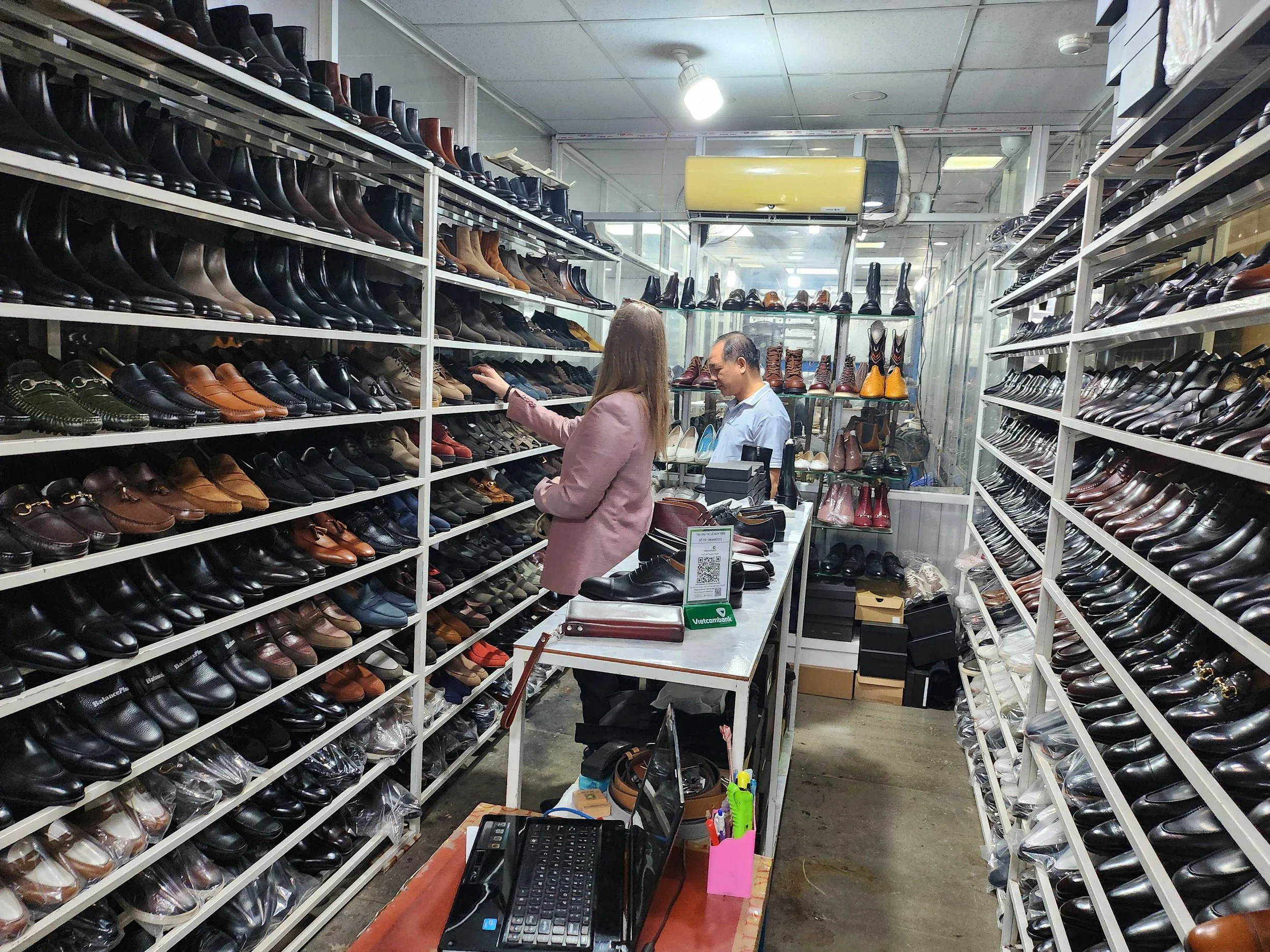
Vietnam, China, and Indonesia lead for most brands, but the right country depends on your shoe: one client's leather work boot was a fit for Vietnam, while our search pointed its rubber rain boot to China. Here's how 8 footwear manufacturing countries compare on cost, minimums, trade deals, and lead times.
Furniture Brands Made in Vietnam: Top 14 Brands and the Factories Behind Them
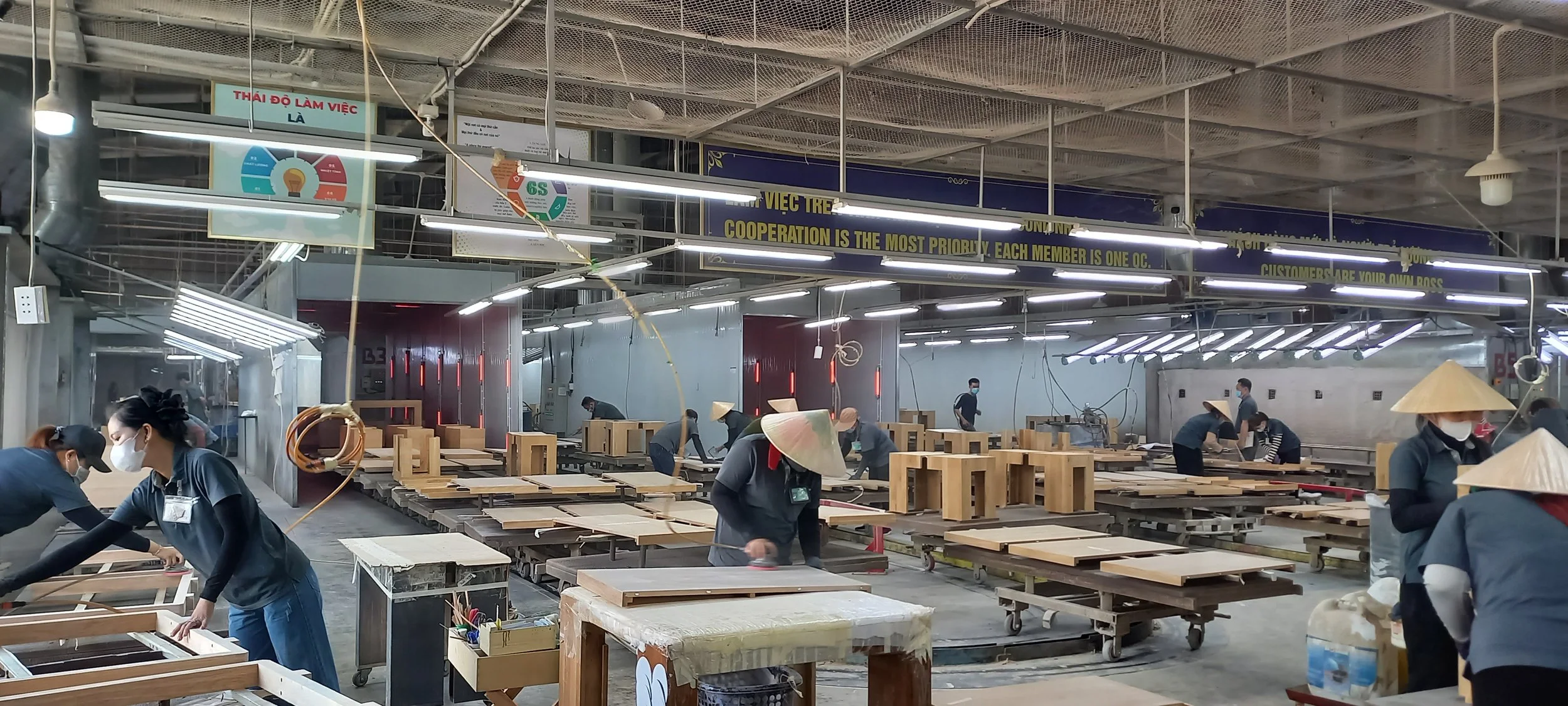
Many big furniture brands make part of their range in Vietnam. RH sourced 39 percent of its fiscal 2025 purchases by value there, Hooker Furnishings 87 percent of its fiscal 2026 import purchases, and Williams-Sonoma, owner of Pottery Barn and West Elm, 16 percent of its merchandise purchases companywide. Ashley, Nitori, and Theodore Alexander own their Vietnamese plants, while IKEA, La-Z-Boy, and Flexsteel buy from contract factories clustered around Ho Chi Minh City and Dong Nai. Here are 14 brands, what each one makes in Vietnam, the factories behind them, and what it takes for a smaller brand to get into the same plants.
Top Shoe Brands Made in Vietnam: 20 Major Brands and the Factories Behind Them
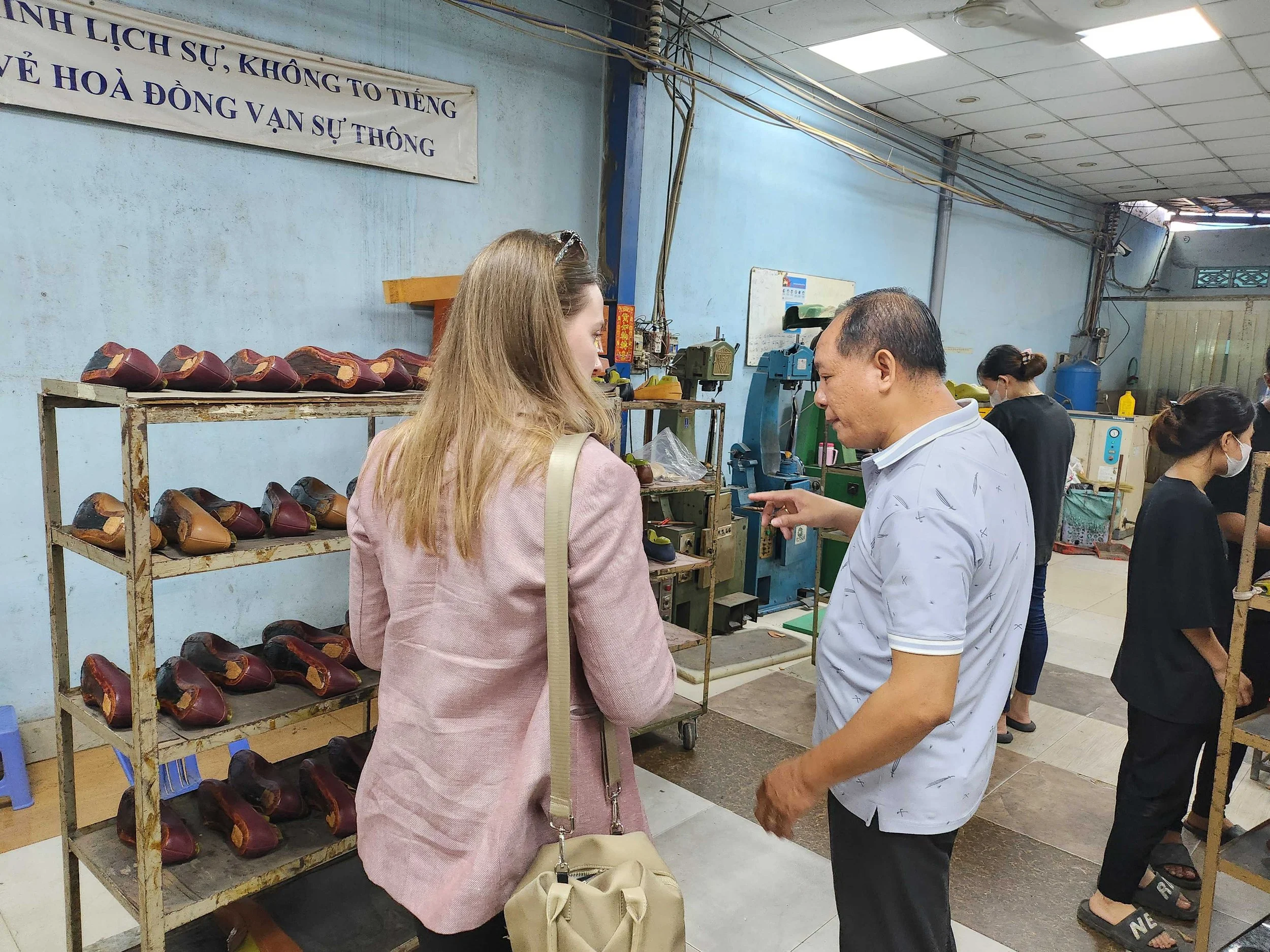
Nike, Adidas, On, Crocs, Columbia, and Dr. Martens make a large share of their shoes in Vietnam. Here are 20 major brands, the evidence behind each one, the factory groups that make them, and what it means if you're launching your own shoe brand.
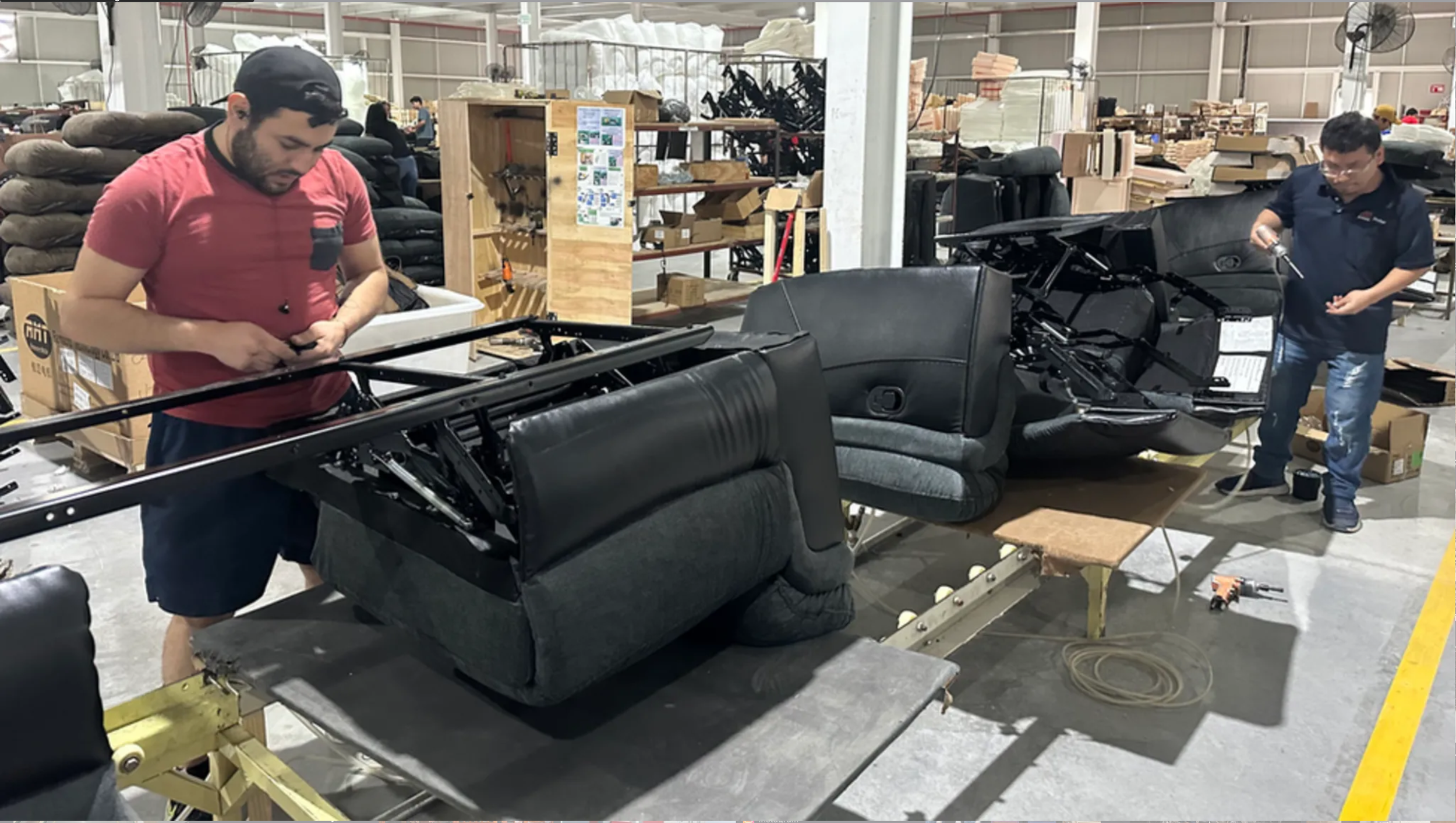
Furniture Manufacturers in Mexico: Top Factories List and Sourcing Guide
Search for Mexican furniture manufacturers and you will mostly turn up retail chains and, in one case, a wood-scrap machinery company. The real factories rarely market in English and many ship only by truck. Here are eight with a verifiable export trail, plus what to know before you brief any of them.
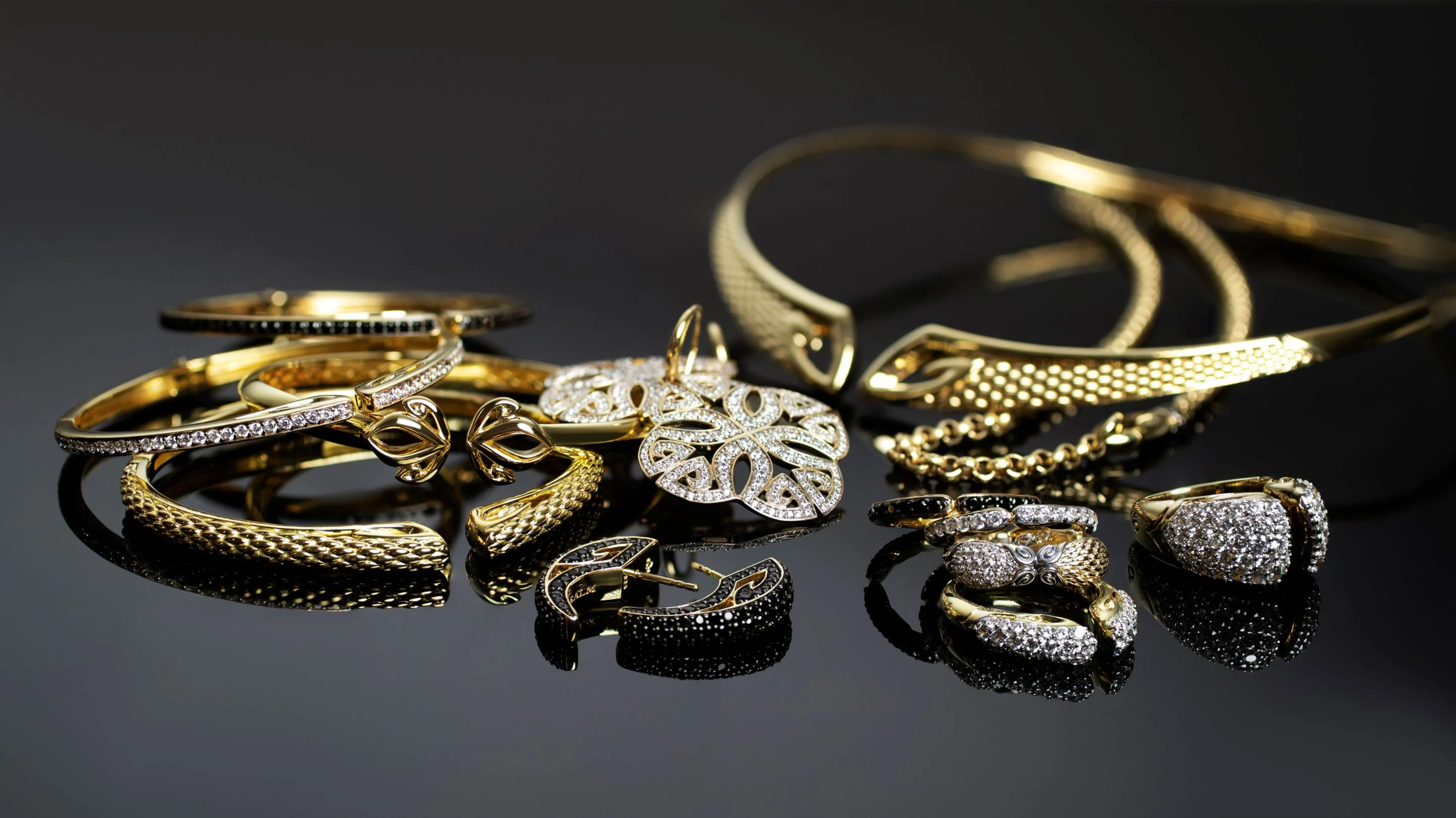
Thailand Jewelry Manufacturers Guide: What Gets Made There and Who Makes It
Thailand manufactures the full jewelry spectrum, from cheap plated costume pieces to high-end gold and diamond work, often in factories within the same province. Bangkok is a global center for colored stone cutting and sterling silver production. Minimum orders commonly start at 100 to 300 pieces per design, lower than China for silver and fashion jewelry.
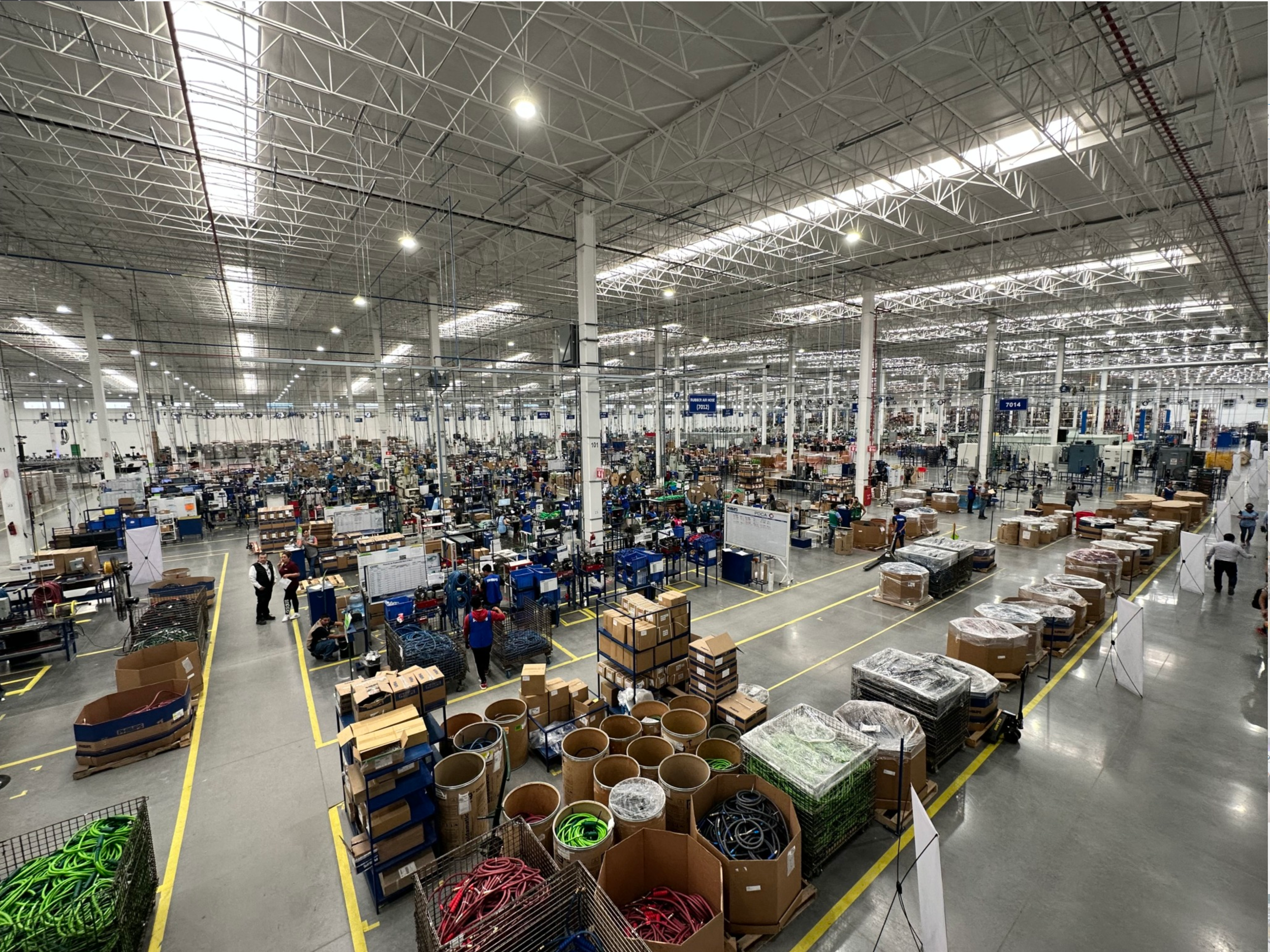
Where to Manufacture in Mexico: A Region-by-Region Guide for Product Sourcing
Mexico is not one manufacturing market. It is a set of regional clusters that specialized over decades, and the specialization is deep enough that a factory in the wrong region will either decline your project or quote it badly. A denim program belongs in Torreon. A stamped metal part belongs in Monterrey. Sending both to the same industrial park because it appeared first in a search is how buyers end up convinced that Mexico is expensive.
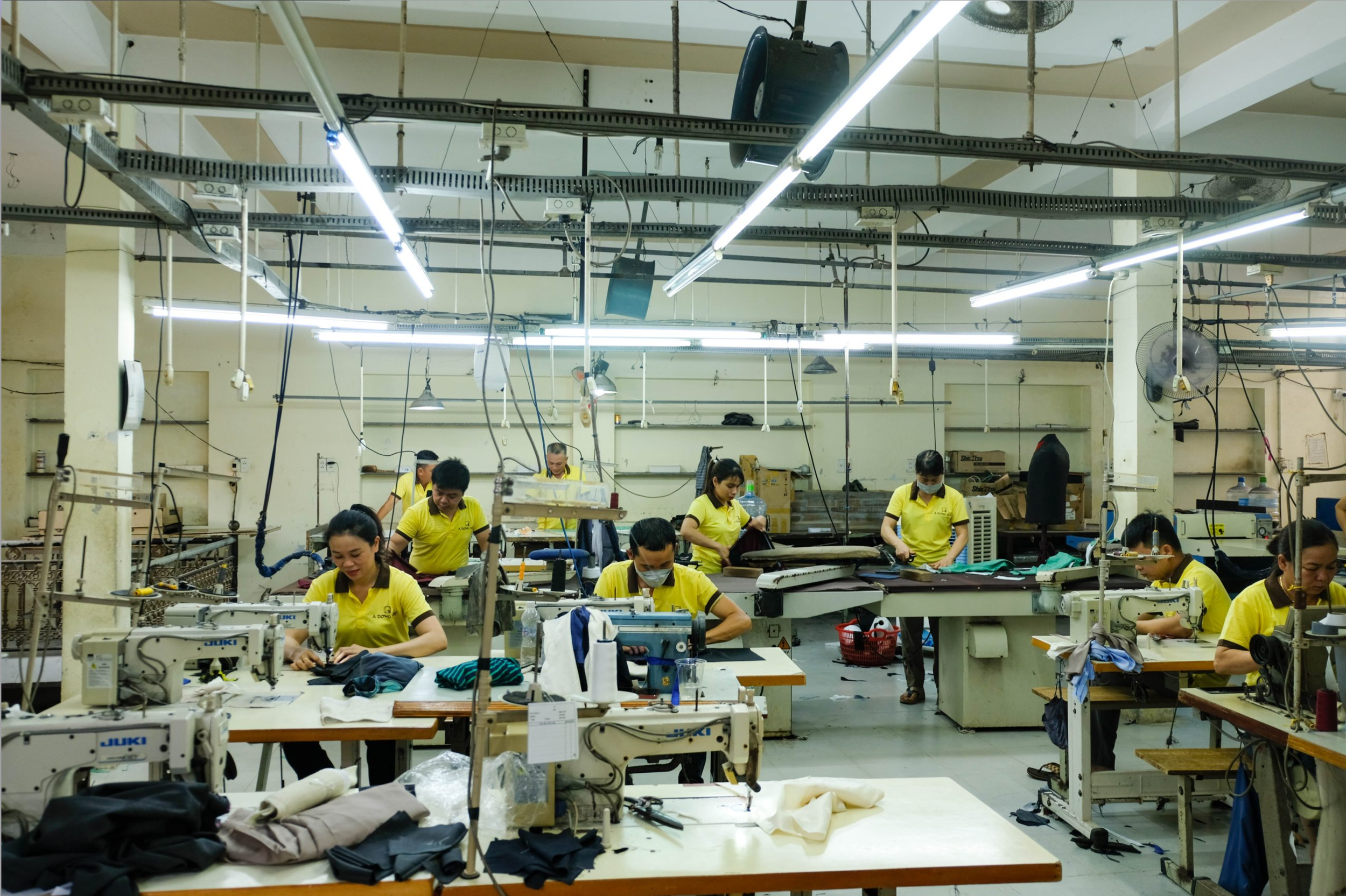
Low MOQ Clothing Manufacturers in Vietnam: Where Small Batch Apparel Actually Gets Made
Low-MOQ clothing manufacturing in Vietnam operates on two separate systems. Tailoring workshops in and around Hoi An take on small batches and genuine one-offs and charge more per piece. Export factories in the south and north need 500 to 1,000 pieces per style and per color. Most buyers get sent to the wrong one.
Tailoring workshops around Hoi An take small batches and genuine one-offs. Export factories need 500 to 1,000 pieces per style and per color. Most buyers get sent to the wrong one.
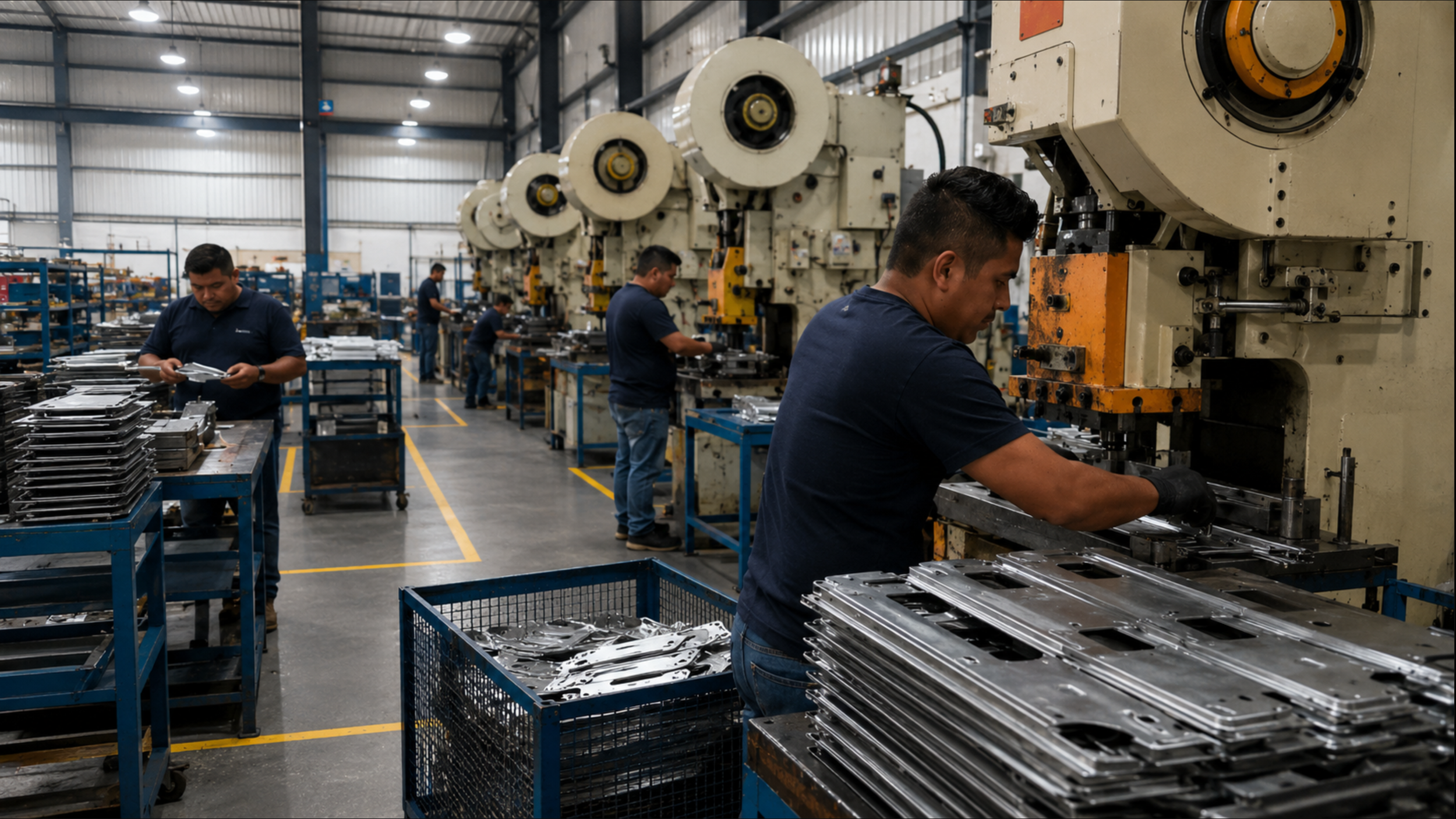
Manufacturing Wages in Mexico 2026: Labor Costs by Role and Region
Mexico manufacturing wages in 2026 by role and region, plus how labor costs flow into your factory quote. Real numbers for sourcing buyers.
Here is the thing most wage guides get wrong: they are written for companies opening their own plant in Mexico, with headcount budgets and payroll systems. If you outsource manufacturing to a factory instead, you will never pay a Mexican factory worker directly. Your factory does. But wages are the largest single input behind the unit price on your quote, and they move every January. Cosmo Sourcing has operated an on-the-ground team in Nuevo Leon since 2023, and the team reviews factory quotes all day. This guide covers what Mexican factories actually pay in 2026 and, more importantly, what that means for anyone sourcing from Mexico rather than manufacturing there themselves.

Quality Control in China: Inspections, Common Failures, and How to Protect Your Product
Quality control when sourcing from China is the process of inspecting products at specific stages of manufacturing to catch defects, spec deviations, and material issues before they reach a shipping container. It is not a single event. It is a system of checks built into every stage of production, designed to protect buyers from receiving goods they cannot sell.
At Cosmo Sourcing, we have managed quality control across factories in China and Vietnam since 2014. We have caught leather that did not match the approved sample and forced a full production rerun at the factory's expense. We have had our team flag screw holes on a furniture order that were drilled to the wrong diameter, meaning none of the supplied hardware would seat properly, and sent the batch back for rework before a single unit shipped. We have seen color mismatches that turned a $40,000 order into scrap and simple labeling errors that held entire shipments at customs for weeks. Every one of those problems was preventable with the right QC process in place at the right time.
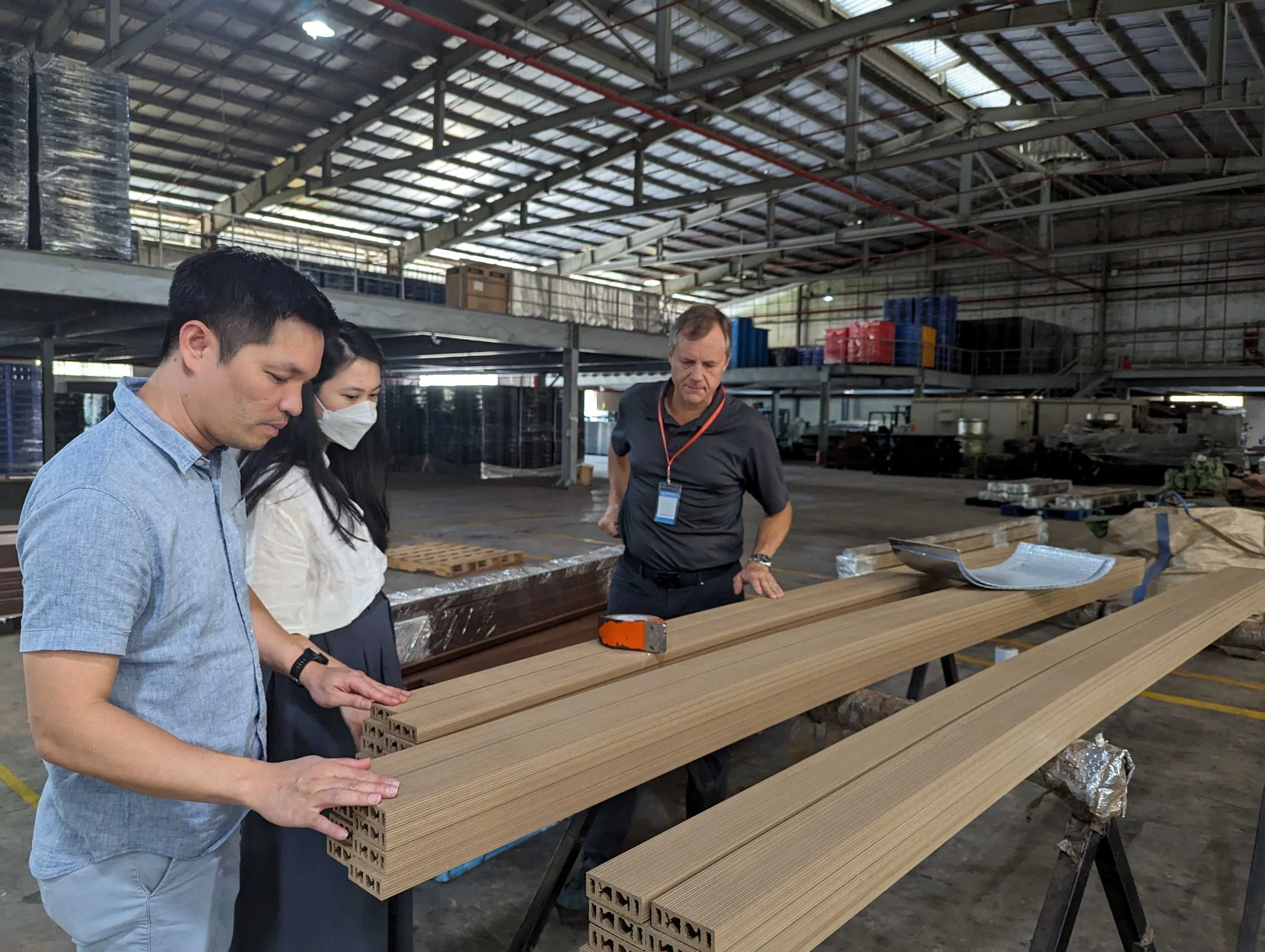
AQL (Acceptable Quality Level): Inspection Levels for Product Sourcing
AQL, or Acceptable Quality Level, is the statistical standard behind AQL sampling inspections: it determines how many units to inspect from a production batch and how many defects are allowed before the batch is rejected. Defined in ISO 2859-1, it is the universal language that buyers, factories, and inspection companies use to make objective pass/fail decisions on manufactured goods before shipment.

Top Swimwear Manufacturers in Vietnam: Verified Factory List and Sourcing Guide
Vietnam has a specialized swimwear manufacturing base, strongest in women's swim, kids' swim, rashguards, and swim-activewear hybrids. About 50 factories ship swimwear under HS 611241 to US buyers annually. The right factory depends on MOQ, fabric platform, construction, certifications, and destination market. Larger exporters fit 1,500+ pieces per style; smaller studios handle 100 to 500 piece runs.
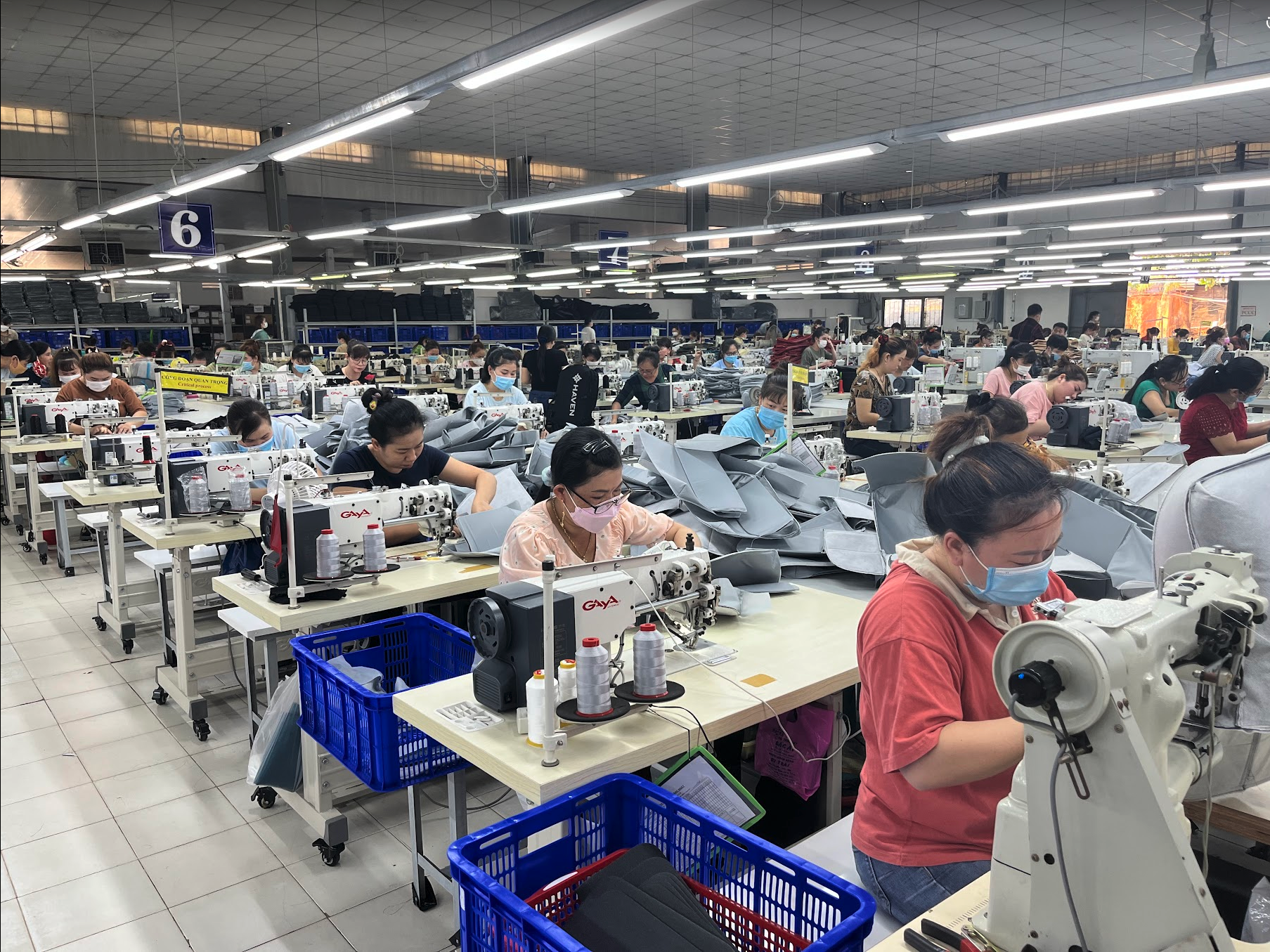
Strategic Sourcing Services Explained for Product Sourcing
Strategic sourcing services help product brands build and manage a reliable supplier base across multiple countries, rather than treating each manufacturing project as a one-time search. If you are sourcing products from Vietnam, Mexico, China, or other manufacturing regions, a strategic approach means systematically diversifying your factory network, benchmarking costs across suppliers, and maintaining ongoing production oversight so your supply chain does not depend on a single factory or country.
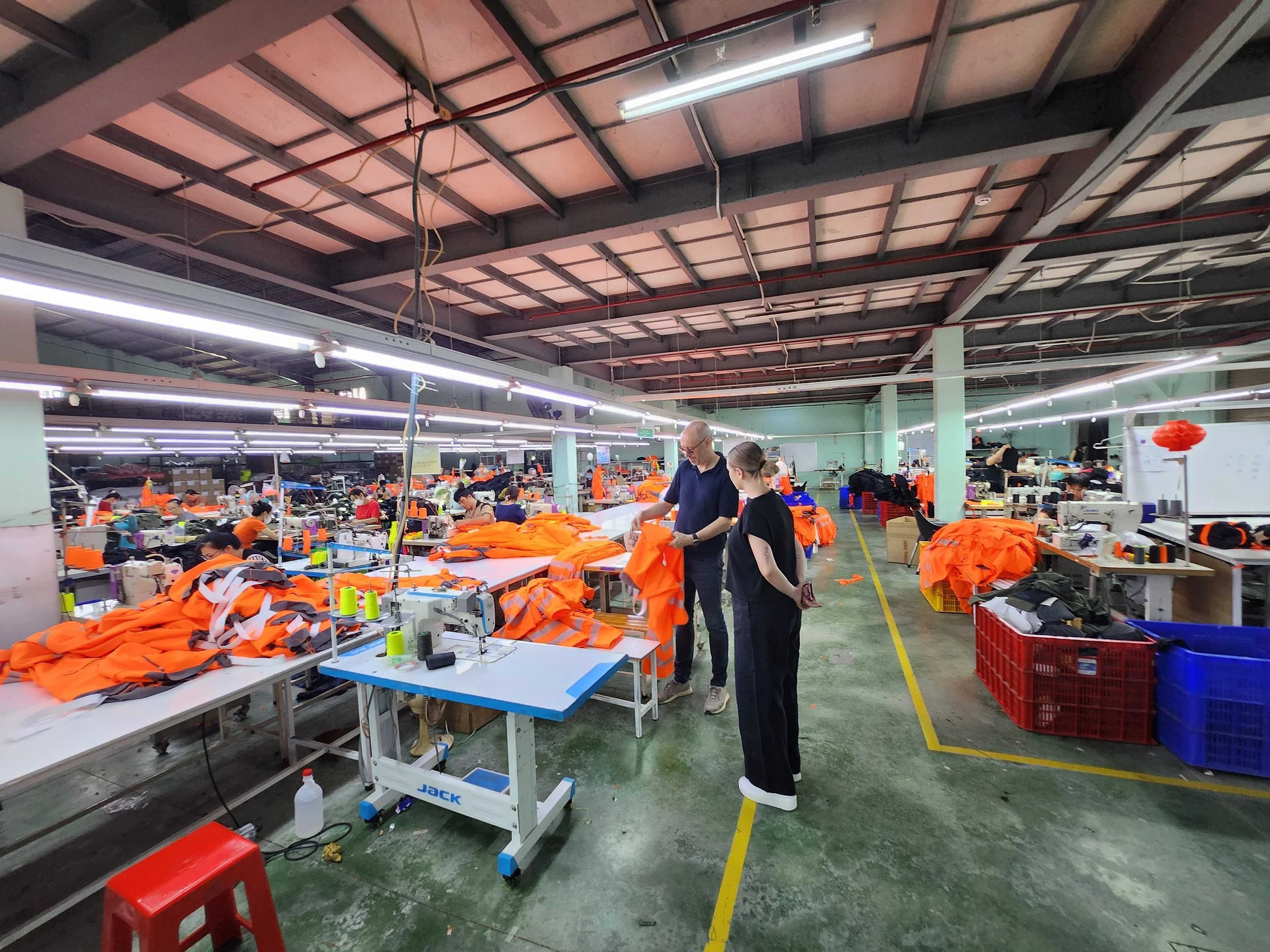
Vietnam Factory Audit Guide: SMETA, BSCI, WRAP, SA8000, and Social Compliance for Buyers
Vietnam factory audits verify suppliers meet international labor, safety, and ethical standards. The major frameworks are SMETA, BSCI, WRAP, SA8000, GOTS, and OEKO-TEX. Most large retailers require a current audit on file before issuing a purchase order. I started Cosmo Sourcing in 2012 and opened our Vietnam office in Binh Duong in 2014, and on most buyer projects we push hard toward factories that already hold valid audit reports or certificates rather than putting uncertified factories through 6 to 18 months of certification.
Vietnamese Business Culture // A Guide to Working with Suppliers, Communication, and Tet Planning
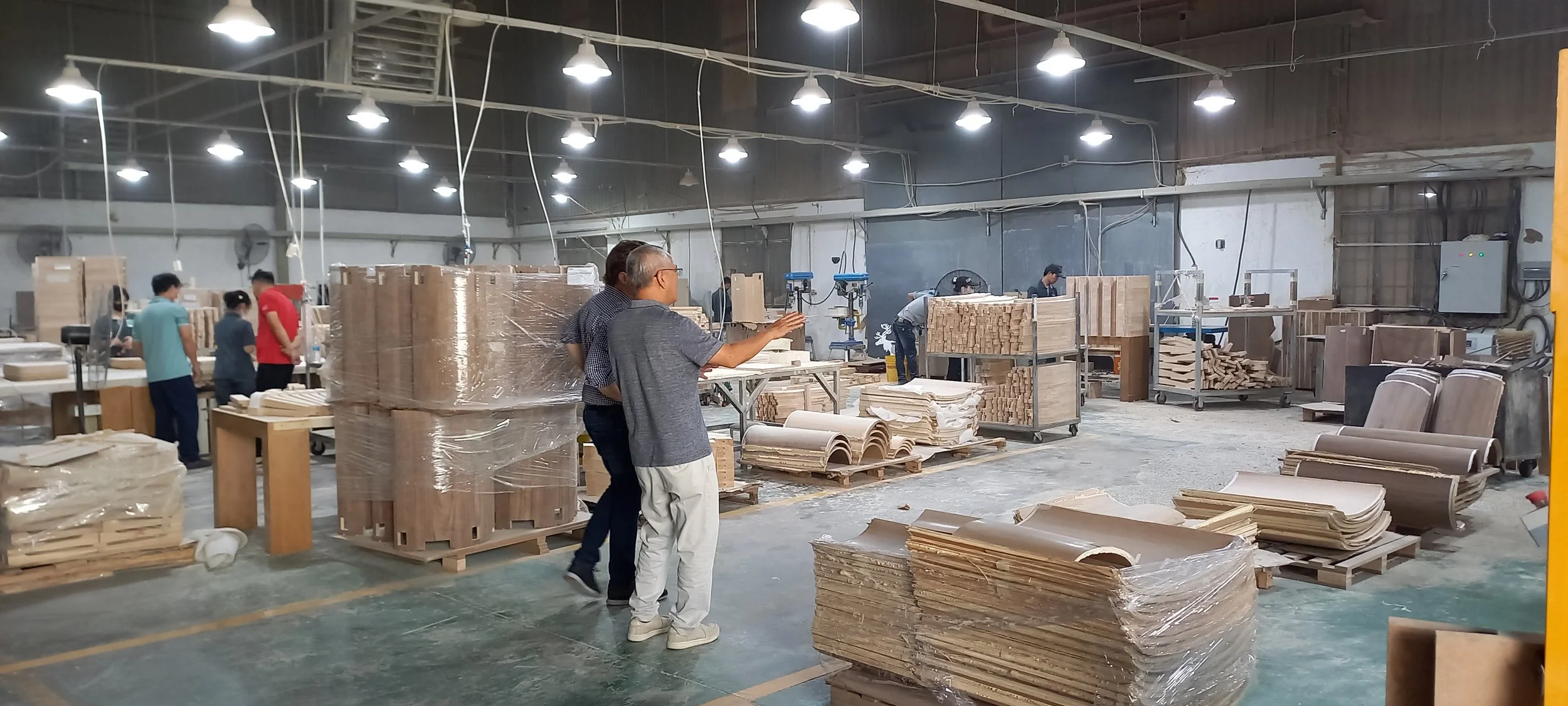
Working with Vietnamese suppliers means adapting to a relationship-first business culture, an indirect communication style where "yes" often means "we will try," English proficiency that varies sharply between sales and production staff, and a production calendar shaped by Tet. Buyers who get this right build partnerships that last for years. Buyers who treat Vietnam like China lose samples, timelines, and sometimes entire factories.
Is Your Vietnam Sourcing Plan Transshipment-Proof? A CBP Origin Compliance Guide
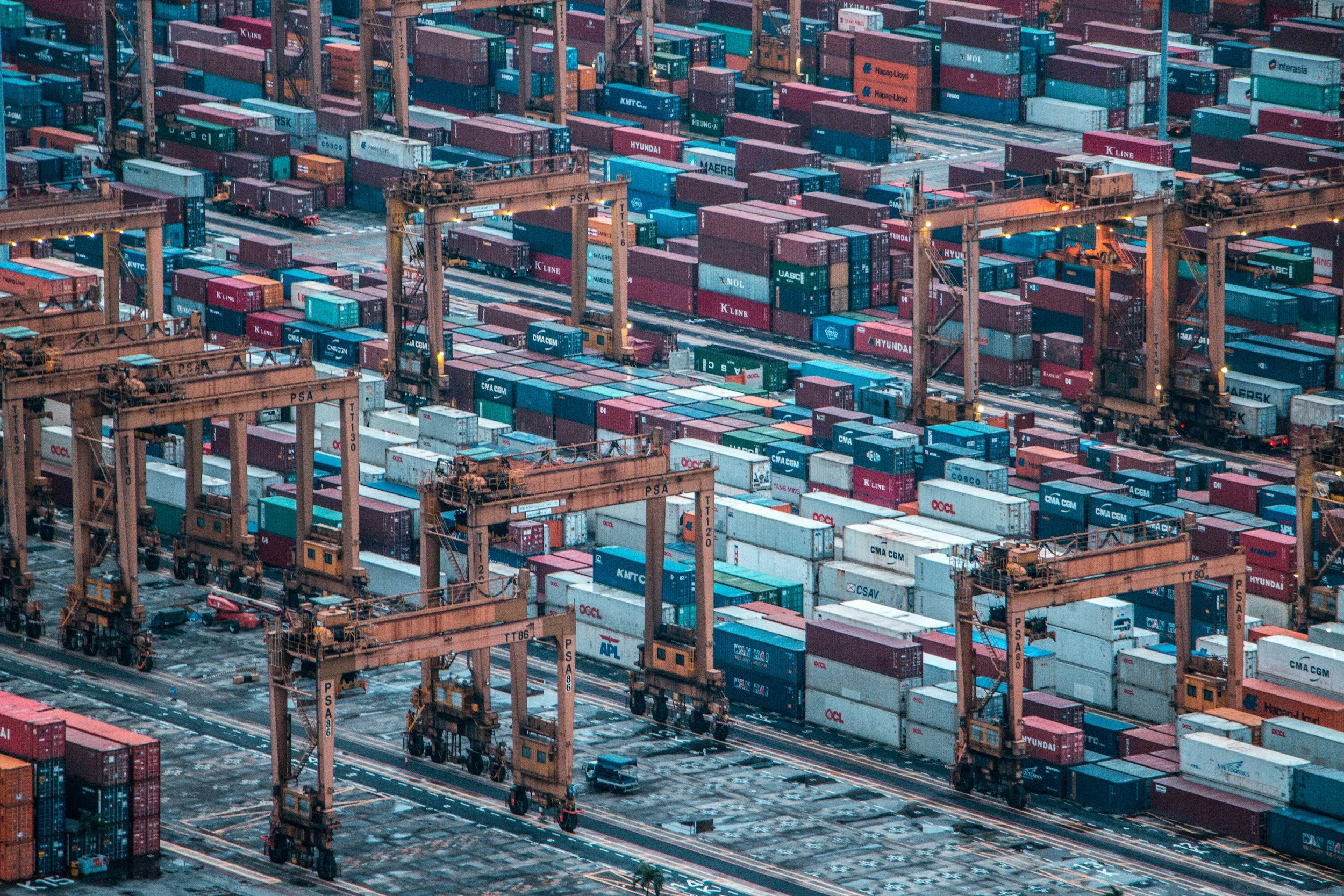
Since July 2025, US Customs imposes a 40% transshipment penalty on any shipment determined to be routed through Vietnam to evade tariffs, with no mitigation or remission available. To qualify as Made in Vietnam, a product must undergo substantial transformation there, emerging with a new name, character, or use under 19 C.F.R. § 134.1(b). Assembly or relabeling of Chinese components does not qualify. The documentation that defends your origin claim has to exist before the shipment sails.
Direct vs Indirect Sourcing: Which Is Best For Your Product?
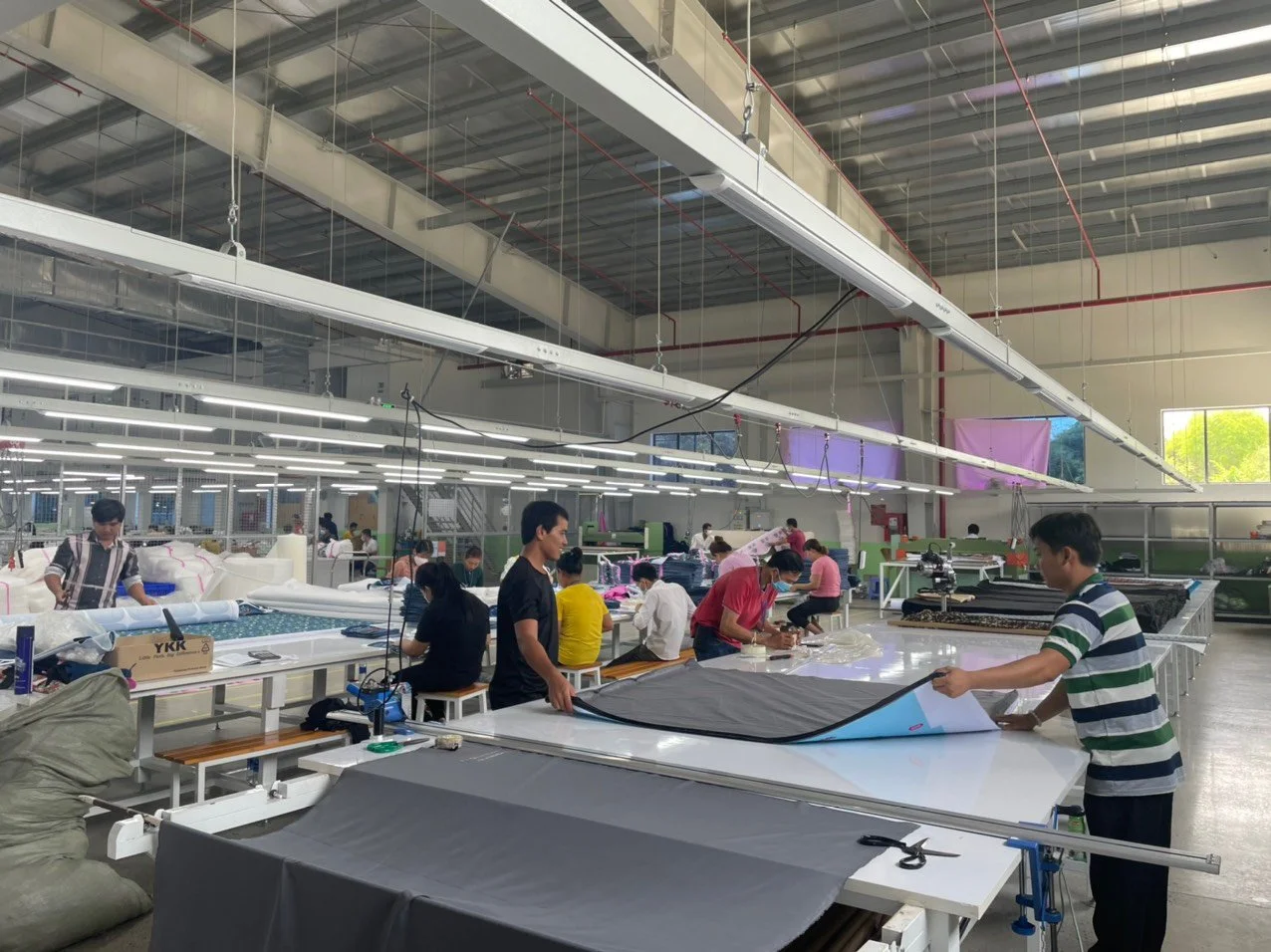
Direct sourcing means you work with the factory yourself, handling negotiations, quality control, and logistics. Indirect sourcing means a third party, such as a sourcing agent, trading company, or sourcing company, manages the factory relationship on your behalf. Most product buyers use a combination of both depending on the product, the market, and where they are in the development cycle.
How Much Does a Sourcing Company Cost? Pricing Models Explained
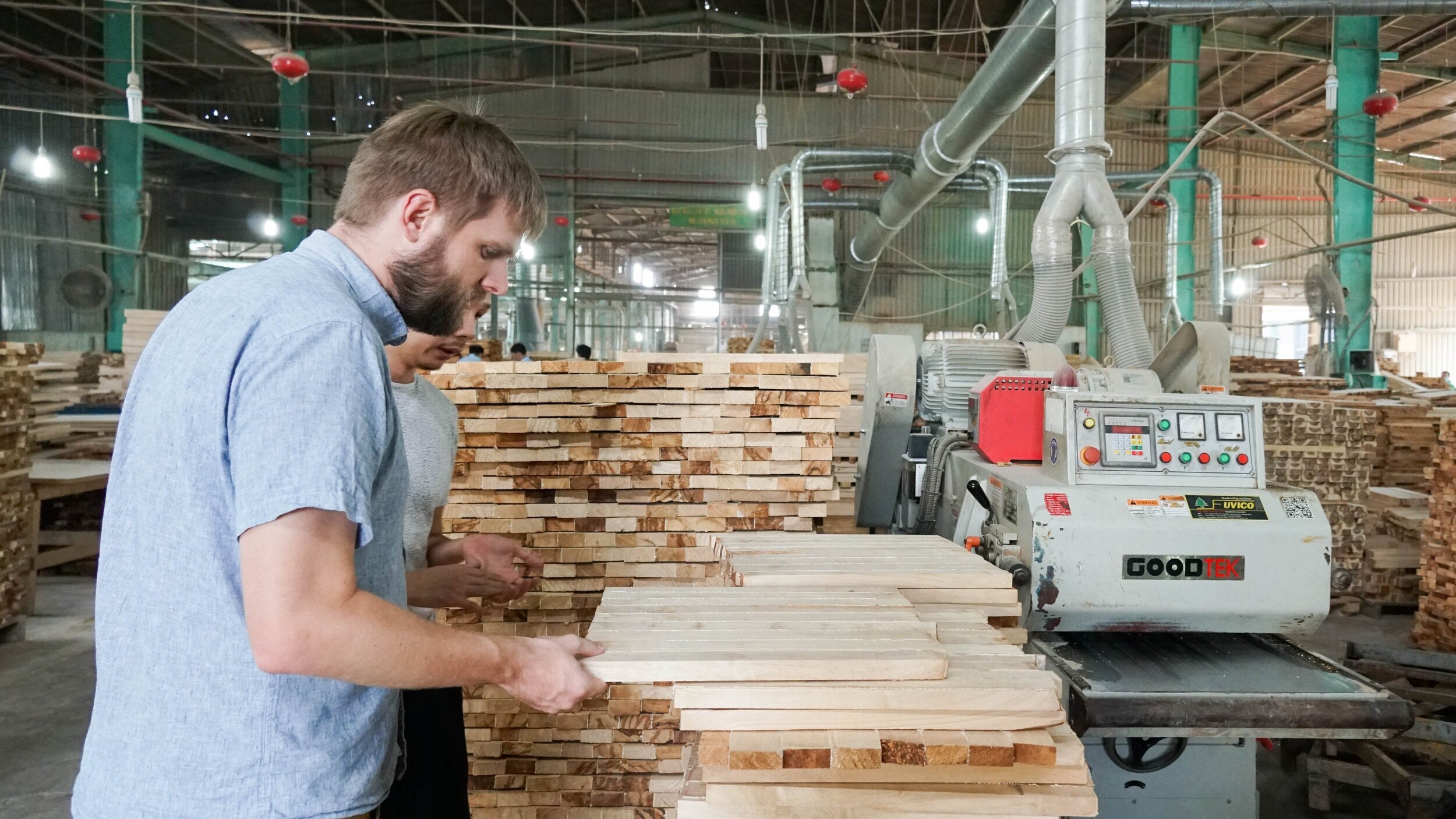
Sourcing company fees typically range from 3% to 12% of your order value under a commission model, or $500 to $5,000+ per project under a fixed-fee model, depending on the scope of work, product complexity, and order size. The pricing model your sourcing partner uses matters more than the specific dollar amount, because it determines whether their financial incentives are aligned with yours or working against you.

China Sourcing Agent Guide: Costs, Red Flags, and Better Alternatives
A China sourcing agent is a third-party professional based in China who finds factories, negotiates pricing, manages samples, and oversees production on your behalf. If you are sourcing from China for the first time, or if your current agent is not delivering results, this guide covers what a good China agent actually does, what they charge, the warning signs that your agent is working against your interests, and when a different sourcing model makes more sense.
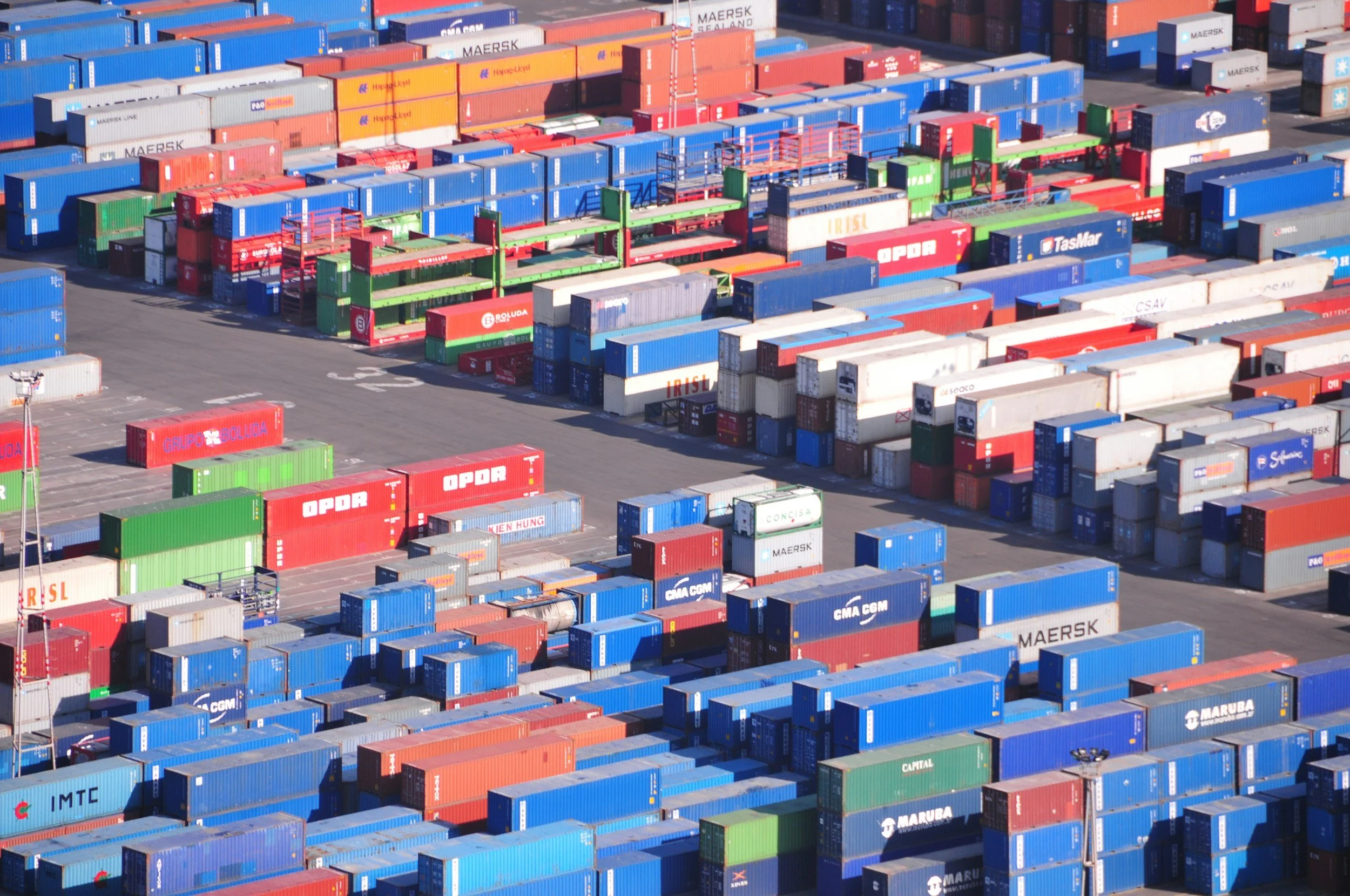
How to Choose a Freight Forwarder When Sourcing Products Internationally
A freight forwarder coordinates the movement of your goods from factory to warehouse, handling carrier booking, documentation, customs clearance, and last-mile delivery. If you are sourcing products from Vietnam, Mexico, or elsewhere in Asia, choosing the right forwarder directly affects your landed cost, delivery timeline, and whether your shipment clears customs without delays. We help thousands of clients navigate this decision every year, and the mistakes we see most often happen before a single container is booked.
USMCA Rules of Origin: A Guide for Companies Sourcing from Mexico
USMCA rules of origin determine whether a product manufactured in Mexico, the United States, or Canada qualifies for duty-free treatment when shipped between the three countries. If your product meets the applicable rule, it enters duty-free. If it does not, you pay the standard Most Favored Nation (MFN) tariff rate, which can range from a few percent to over 20% depending on the product category. For buyers sourcing from Mexico, understanding these rules is the difference between a cost-competitive supply chain and an expensive one.