
Mexico Sourcing: The Complete Guide to Manufacturing in Mexico
On the ground in Nuevo Leon since 2023. Thousands of clients, 10,000+ products sourced across Vietnam, China, and Mexico. Fixed fee, no commissions, no markups on factory quotes.
Mexico is now the United States' largest trading partner, ahead of China, and the nearshoring shift that drove that change is still accelerating. Whether you are evaluating manufacturing in Mexico for the first time, comparing Mexican factories to Asian alternatives, or moving production from China to reduce tariff exposure and shorten lead times, this guide covers what you need to know.
We are Cosmo Sourcing, a sourcing company with on-the-ground teams in Vietnam (since 2014), China (since 2012), and Mexico (since 2023). Our Mexico operation is based in Nuevo Leon. This guide is written from our direct experience: factory visits across Monterrey, the Bajio corridor, and Baja California; vetted suppliers; cross-border shipments through Laredo and Otay Mesa; and the lessons we have learned moving production from Asia into Mexican plants.
The short version: Mexico is excellent for automotive parts, appliances, denim and uniforms, medical devices, packaging, and select furniture categories. It is a strong nearshoring play for any North American buyer who can absorb factory-gate prices that run higher than Asian alternatives, because USMCA duty-free treatment and proximity usually win on landed cost. Vet your factory properly, model the full landed cost, build Mexican holiday windows into the schedule, and verify your USMCA certificate of origin before you ship.
If you are weighing Mexico against Asian alternatives, see our Vietnam sourcing guide and our Vietnam vs. China vs. Mexico sourcing comparison. For Mexico-specific commercial inquiries, see our Mexico sourcing company page.
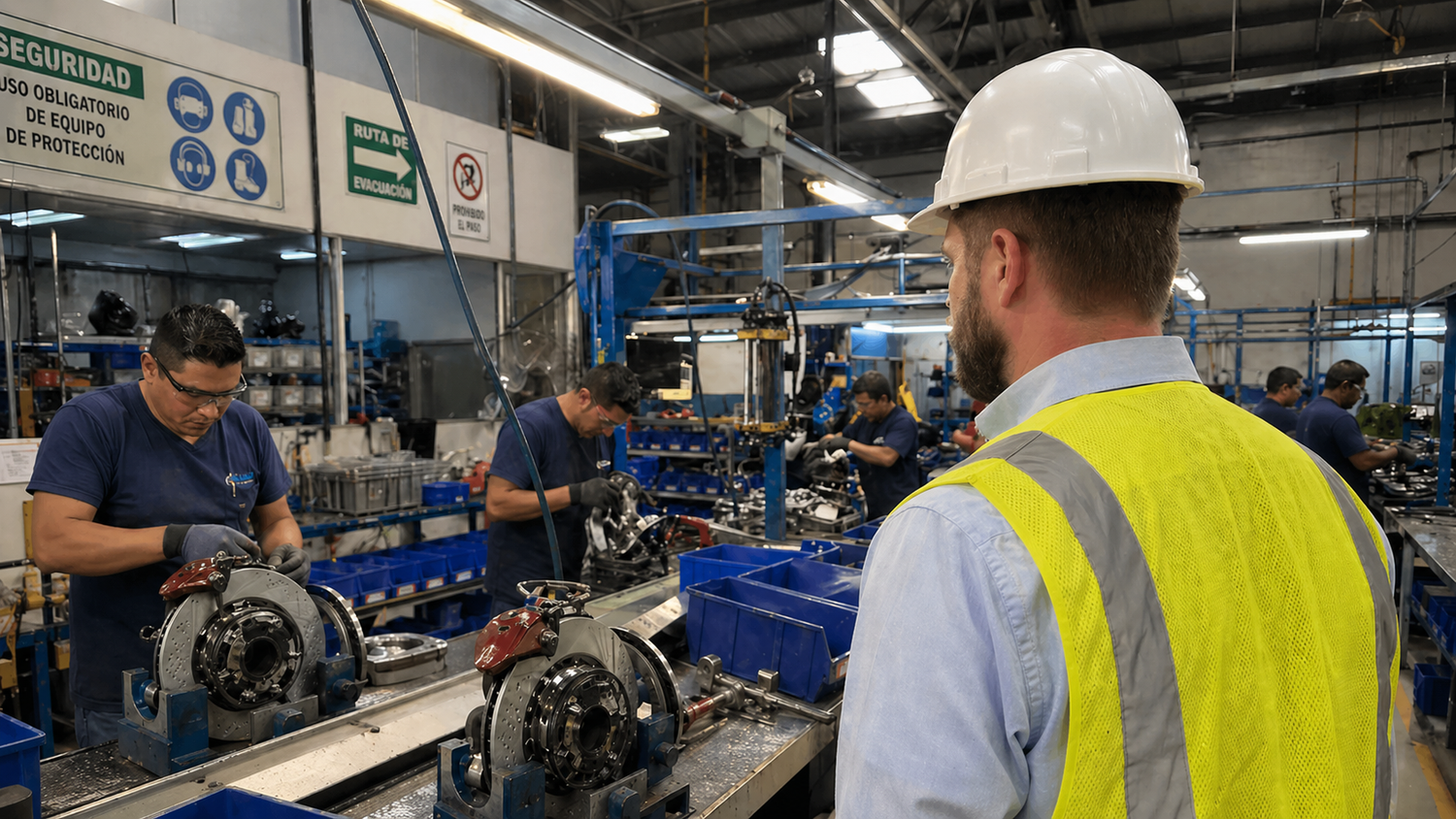
Why Mexico for Manufacturing and Sourcing
The case for Mexico has four pillars: proximity, USMCA, tariff arbitrage, and a manufacturing base that is deeper and more capable than most buyers realize.
Proximity and Speed to Market
A container from Shanghai to Los Angeles takes roughly 14 to 18 days at sea, plus weeks at the origin and destination ports. A truck from Monterrey to Dallas takes one day. From Tijuana to Los Angeles, hours. For North American buyers, this compresses the entire replenishment cycle. Orders that once required 90 to 120 days of planning can run on 30 to 45-day cycles. Inventory carrying costs drop, stockout risk declines, and the ability to respond to demand shifts increases.
For buyers in Canada, the US, and even the northern parts of Latin America, Mexico sits within the natural logistics radius. For European and Asian buyers, Mexico is less naturally positioned. North American market access through USMCA can still make it the right choice when the end customer is in the US or Canada.
USMCA Duty-Free Access
The United States-Mexico-Canada Agreement (USMCA, known as T-MEC in Mexico and CUSMA in Canada) entered into force on July 1, 2020, replacing NAFTA. Goods that meet USMCA rules of origin move duty-free between the three countries. For many product categories, this is the single largest financial advantage Mexico offers. A garment, a piece of furniture, or a packaged good that qualifies under USMCA arrives at the US border with no tariff. The same goods from China or Vietnam face the prevailing US tariff rate; check current rates before building your landed cost model.
USMCA is up for its first mandatory joint review in July 2026. Most analysts expect the core framework to continue, but buyers should monitor the review process because automotive rules of origin and textile provisions are both on the table. See our USMCA rules of origin guide for the practical compliance playbook.
Tariff Arbitrage Against Asia
Over the last several years, US tariffs on Chinese imports have climbed across thousands of HTS codes. Mexican production lets qualifying goods avoid those costs entirely. Even when Mexico's factory-gate price is higher than China's, the all-in landed cost can favor Mexico once duties are included. This math shifts constantly, so check the latest rates for your specific HTS code before deciding. The structural direction has been consistent.
The Nearshoring Boom
Mexico's industrial base is expanding fast. Foreign direct investment poured into new plants through 2024 and 2025. Chinese manufacturers opened their own Mexican factories to serve North American customers without tariff exposure. European and Japanese brands relocated production from Asian facilities. For buyers, this means a rapidly growing pool of modern, export-ready factories, many of them owned or operated by the same companies that already supply global brands from other origins.
Companies Manufacturing in Mexico Today
Companies manufacturing in Mexico now include every major US, European, Japanese, and Korean automotive OEM, the largest medical device firms (often as US subsidiaries), and a growing wave of Chinese manufacturers opening Mexican plants to serve North American customers without tariff exposure. US companies manufacturing in Mexico span industries from aerospace (Bombardier, Airbus suppliers) to consumer electronics (Foxconn, Flex), to apparel and packaging. The advantages of manufacturing in Mexico for North American buyers include USMCA duty-free access, full time-zone overlap, proximity for on-site visits, and a deep maquiladora ecosystem refined since 1965. The benefits of manufacturing in Mexico vs China have grown sharper as US tariff rates on Chinese imports continue to climb.
Mexico vs. China vs. Vietnam: How to Decide
Manufacturing in Mexico vs China is the most common comparison Cosmo's clients evaluate. Mexico is the best choice for some categories, not others. Here is how we help clients decide.
| Factor | Mexico | Vietnam | China |
|---|---|---|---|
| Tariff to the US (typical) | Duty-free under USMCA | Check current rate | Check current rate, typically higher |
| Transit time to the US | 1 to 5 days by truck | 14 to 30 days by sea | 14 to 21 days by sea |
| Labor cost (relative) | Higher | Lower | Lowest for many categories, rising |
| MOQ flexibility | Lower MOQs common | Medium | Higher MOQs typical |
| Supply chain depth | Growing fast | Deep in some categories | Deepest globally |
| Time zone with the US | Full overlap | 11-12 hour gap | 12-13 hour gap |
| Language | Spanish and English are common | Vietnamese; English in export | Mandarin; English in export |
| IP protection | Moderate, improving | Moderate, improving | Weakest of the three |
| Nearshoring momentum | Highest | High | Declining for US-bound goods |
When Mexico Wins
- The end customer is in the US, Canada, or Mexico. USMCA eliminates the tariff math, proximity cuts lead time, and communication across time zones is simpler.
- You need fast turnaround and frequent replenishment. Short runs and seasonal collections work better near the market.
- Your category has deep Mexican capability: automotive parts, appliances, denim and uniforms, medical devices, beer and tequila, select furniture, and packaging.
- Your buyers have "not manufactured in China" requirements. Government procurement, defense-adjacent supply chains, and some retailers now require non-China origin.
- You want hands-on factory oversight. A one-hour flight from most US cities to Monterrey or Guadalajara is very different from the logistics of Vietnam visits.
When Vietnam or Another Asian Country Wins
- You need the lowest factory-gate unit cost, and the product can absorb the longer lead time. Vietnam's labor cost advantage over Mexico remains meaningful across high-labor categories such as footwear, soft goods, and apparel assembly.
- Asian supply chains dominate the product category. Electronics components, textiles at the fiber level, and certain technical fabrics have decades of Asian infrastructure that Mexico does not yet match.
- You already have an Asian supplier that is working. Moving proven production is expensive. Sometimes the right move is to keep existing Chinese or Vietnamese production and add Mexico as a second supplier. See our Vietnam sourcing guide.
When China Still Makes Sense
China remains unmatched for scale, component ecosystem depth, and speed on complex electronics. For some buyers, the right mix is a China primary supplier plus a Mexico or Vietnam secondary to manage tariff and geopolitical risk. We cover this in our low-cost country sourcing guide and our work on moving manufacturing from China to Vietnam.
What Mexico Makes Well (and Where to Be Careful)
The major industries in Mexico include automotive (Mexico is the world's seventh-largest auto producer), aerospace (Queretaro is the cluster), medical devices (Tijuana and Mexicali dominate), electronics assembly (Jalisco and Baja California), appliances (the Bajio belt), textiles and apparel (Puebla and Aguascalientes), food and beverage (national), and packaging (Monterrey and Bajio). Each cluster has its own labor cost profile, certification environment, and proximity to US ports of entry.
Mexico's manufacturing base is broad but uneven. Some categories are world-class, others are thinner than first-time buyers expect. Here is our honest read.
Mexico Automotive Parts and Assembly
Mexico is the seventh-largest automotive producer in the world and a core node in the North American automotive supply chain. Every major OEM (Ford, GM, Stellantis, Toyota, Nissan, Volkswagen, Audi, BMW, Honda, Mazda, Kia) operates plants in Mexico. Tier 1 and Tier 2 suppliers cluster around them, creating deep capabilities in automotive fasteners, castings, harnesses, molded plastics, seating, and aftermarket accessories. If you need precision metal work or automotive-grade plastic molding, Mexico's automotive cluster is often cheaper and faster than sourcing from a non-automotive factory in another country.
Explore automotive sourcingMexico Textiles, Apparel, and Denim
Mexican textile production is strong in specific lanes. Denim is a standout, especially in Puebla and Aguascalientes, with vertically integrated mills that spin, weave, dye, cut, sew, and finish under one roof. See our guide on how to find denim manufacturers in Mexico. Knit basics, uniforms, workwear, medical scrubs, and promotional apparel are also well served. See Mexico clothing manufacturers for category-level factory coverage. Fashion-forward apparel with complex construction is better served in Asia for now.
Explore apparel sourcingMexico Medical Devices
Mexico is the largest medical device exporter to the United States. The cluster around Tijuana and Mexicali in Baja California specializes in disposable medical products, surgical tools, diagnostic equipment, and electronic monitoring devices. The same cluster extends to Guadalajara for more complex device assembly. Regulatory alignment with FDA requirements is generally smoother than in Asia because many Mexican plants are subsidiaries of US medical device companies.
Explore medical sourcingMexico Furniture and Wood Products
Furniture production is solid but narrower than Vietnam's. Mexico excels in upholstered seating, commercial and contract furniture, and wood pieces for the North American market. If your collection requires deep hardwood carving or intricate rattan, Vietnam remains the stronger play. For mid-price case goods, commercial furniture, and upholstery, Mexico is competitive, particularly with USMCA duty-free shipping factored in.
Explore furniture sourcingMexico Food and Beverage
Mexico's food and beverage export base is large: fresh produce, processed foods, tequila, mezcal, beer, confectionery, and spices. For private-label buyers in North America, Mexican co-packers offer USMCA-compliant production with short lead times. Compliance is documentation-heavy: FDA requirements, COOL (Country of Origin Labeling), and USDA involvement for some categories. Build this into your timeline.
Explore food sourcingMexico Packaging and Print
Folding cartons, flexible packaging, corrugated boxes, labels, and commercial printing all have capable Mexican suppliers. Monterrey and the Bajio region house most of the large packaging converters. Shipping packaging from Asia is economically difficult because packaging is volumetric; Mexico's proximity advantage is especially strong in this category.
Explore packaging sourcingMexico Electronics and Appliances
Appliance assembly (washers, refrigerators, televisions) is a Mexican strength, particularly in the Bajio industrial corridor. At the component level, Mexico is thinner than China or Vietnam. Most Mexican electronics factories import PCBAs and components from Asia, assemble in Mexico, and ship finished goods into the US. This "final-stage assembly in Mexico" model can deliver USMCA origin qualification for the finished good while using Asian components for the parts that Mexico does not yet make well.
Explore electronics sourcingMexico Aerospace
Mexico is now a top-15 global aerospace exporter, with the cluster anchored around Queretaro housing Bombardier, Safran, GE Aviation, Honeywell, and a tier of MRO operations and component suppliers. Capabilities span machined components, harnesses, interior assemblies, and engine sub-assemblies. AS9100-certified factories are the norm in this cluster, and proximity to US final assembly plants makes Mexico a natural fit for any aerospace buyer who needs USMCA-compliant production.
Explore aerospace sourcingWhere to Be Careful
Very low MOQs. Some Mexican factories are geared for large OEM contracts and will not quote small orders. Expect to spend more time finding the right factory for low-volume production than you would in China.
Fast fashion and novelty categories. Mexican factories are generally not set up for the weekly drop model that Asian apparel supply chains support.
Deep-tech electronics. PCB fabrication, semiconductor work, and advanced components still largely originate in Asia.
English fluency. Common on sales teams and in export-focused factories, but floor-level and mid-management communication often requires Spanish. We handle this directly through our Mexico team.
Informal quoting. Mexican factories sometimes provide verbal quotes or incomplete written specs. Insist on fully specified written quotations with every cost line item broken out.
The bottom line: Don't pick a country first and then try to make your product fit. Pick the country that has a mature factory base for your specific product. If you are weighing your options, our Vietnam vs China vs Mexico comparison is a good starting point.
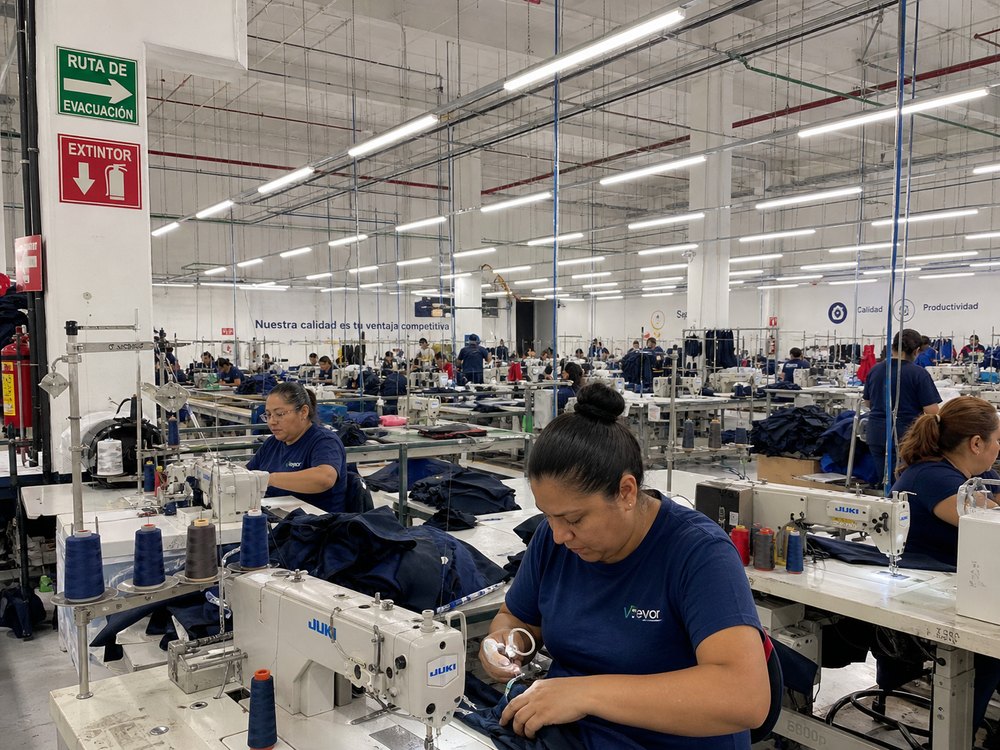
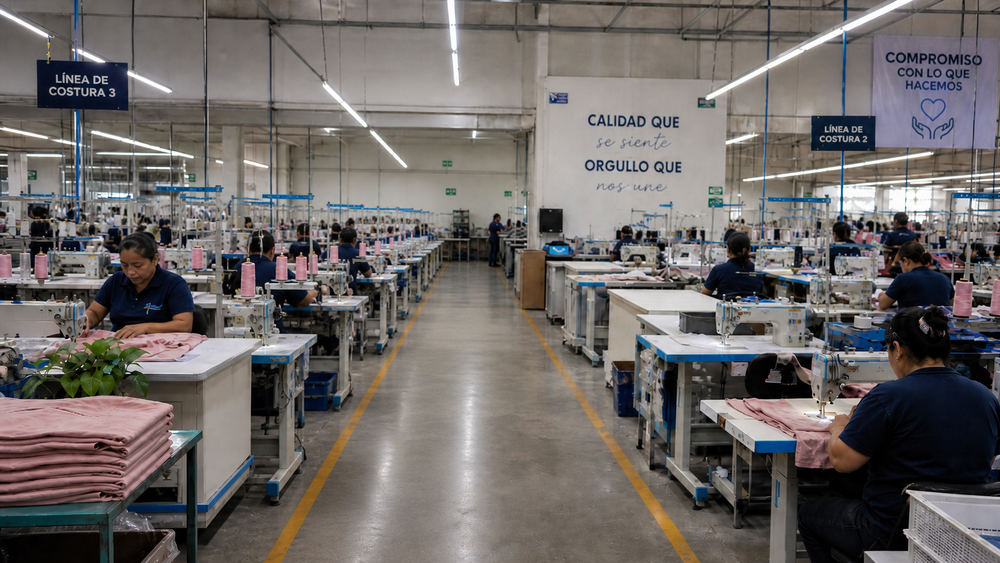
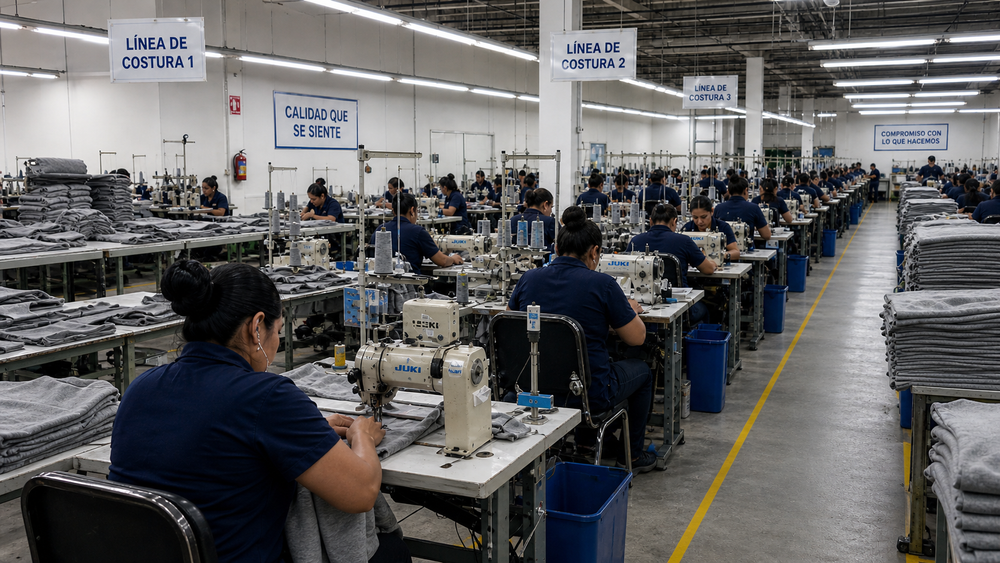
Mexico Manufacturing Locations: Where Factories Cluster by Region
Mexican manufacturing is regionalized. Knowing which cluster your product category belongs to saves weeks of search time.
Nuevo Leon (Monterrey)
Our Mexico base. Monterrey and its metropolitan area (Apodaca, Santa Catarina, Garcia, Escobedo) are Mexico's industrial capital. Heavy industry, appliance manufacturing, steel, cement, glass, automotive components, furniture, and food processing all concentrate here. Monterrey has the highest concentration of large industrial groups in Mexico and the strongest business-English environment outside Mexico City.
Jalisco (Guadalajara)
Guadalajara is often called Mexico's Silicon Valley. Electronics contract manufacturing, medical device production, software, and high-end food and beverage all cluster here. El Salto and Zapopan host most of the electronics assembly campuses. Guadalajara is also strong in apparel, footwear (huaraches and leather goods), and tequila.
Queretaro and the Bajio Corridor
Queretaro, Guanajuato (Leon, Silao, Celaya), and Aguascalientes form the Bajio industrial belt, Mexico's automotive heartland. Appliance manufacturing, logistics, aerospace (Queretaro specifically), and agri-food processing are strong here. Leon is the leather footwear capital; Aguascalientes has a long denim tradition.
Baja California (Tijuana, Mexicali, Ensenada)
The border with San Diego and California makes Baja the preferred location for US-facing production that needs same-day border crossing. Medical devices, consumer electronics assembly, furniture (particularly for the US West Coast market), and aerospace components cluster here. Ensenada has a niche strength in wine and high-end food. Baja is also the heart of the original maquila industry.
Puebla and Central Mexico
Puebla combines automotive (Volkswagen has its largest North American plant here) with textiles, apparel, and ceramic tile. Tlaxcala, adjacent to Puebla, has a strong textile base. This region serves both Mexico City's domestic consumer market and the export market through the Veracruz port.
Border Region and Maquila Belt
Beyond Tijuana and Mexicali, the border cities of Ciudad Juarez, Reynosa, Matamoros, and Nuevo Laredo all operate under the same maquila logic: factories oriented for export back across the US border. Labor cost is lower than in Monterrey, but labor availability has tightened since 2022. Good for labor-intensive assembly when volume is stable.
| Region | Strongest Categories | Main Export Port of Entry |
|---|---|---|
| Nuevo Leon | Appliances, automotive, steel, furniture, packaging | Laredo, Colombia Solidarity Bridge |
| Jalisco | Electronics, medical devices, food and beverage, footwear | Manzanillo (sea), Laredo (land) |
| Bajio | Automotive, aerospace, appliances, leather | Laredo, Manzanillo |
| Baja California | Medical devices, electronics, furniture | San Ysidro, Otay Mesa, Calexico |
| Puebla / Central | Automotive, textiles, ceramics | Veracruz, Laredo |
| Border (Juarez, Reynosa, Matamoros) | Assembly, harnesses, medical | El Paso, Pharr, Brownsville |
The Mexico Sourcing Timeline
A first-time Mexico sourcing project runs about 8 to 14 weeks from brief to first shipment. Here is the typical breakdown when we run it.
| Stage | Weeks | What Happens |
|---|---|---|
| 1. Brief and specs | 1 | Product requirements, specifications, target landed cost, volume forecasts, packaging needs |
| 2. Factory search and longlist | 1 to 2 | Our Mexico team identifies 6 to 12 qualified factories from our network and external directories |
| 3. Quotes and shortlist | 1 to 2 | Factory-direct quotes with original pricing, no markups. Shortlist to 2 to 4 options |
| 4. Samples | 2 to 4 | Factories produce samples to your specs. Revisions as needed |
| 5. Factory audit and decision | 1 | On-site visit by our Nuevo Leon team or a regional associate. Capability audit, financial check, production timeline |
| 6. Production | 2 to 6 | Manufacturing, in-line quality control, status reporting |
| 7. Pre-shipment inspection and shipping | 1 to 2 | Final QC, USMCA certificate of origin if applicable, border crossing, delivery |
| Realistic total | 8 to 14 | First orders typically land at the longer end. Stages overlap, which is why the realistic total sits below the column sum. |
Mexican Holiday Windows to Plan Around
- Semana Santa (Holy Week): March or April, full week plus partial weeks on either side. Some factories shut entirely.
- Day of the Dead: November 1-2. Half-day to full-day closures, some factories take a longer weekend.
- Christmas and New Year: December 12 (Guadalupe) through January 6 is a soft production window. Expect reduced staffing from December 20 through January 2.
- Summer shutdown: Some automotive-adjacent factories close for one to two weeks in late July or early August.
- Independence Day: September 16, plus often a September 15 evening closure.
Compared to Vietnam's Tet, which can pull a full month of effective production capacity in February, Mexican shutdowns are shorter and more predictable.
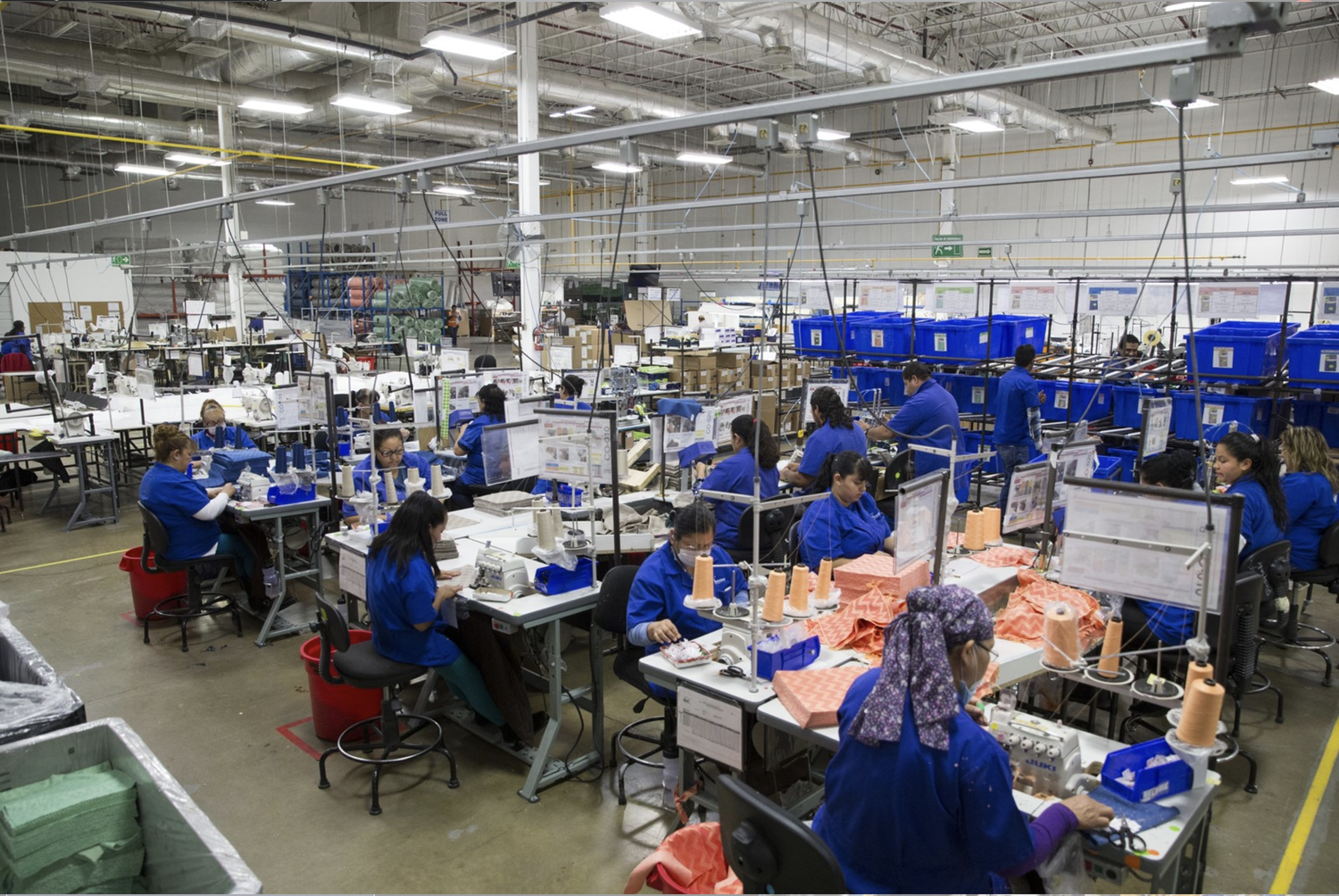
Finding and Vetting Mexican Factories
There is no single directory of Mexican factories equivalent to Alibaba. Sourcing in Mexico is a more traditional process: directories, trade shows, industry chambers, referrals, and on-the-ground verification.
Platforms and Directories
Thomasnet.com (Mexico filter) covers industrial suppliers. COMPITE and INEGI directories list Mexican manufacturers, particularly those eligible for government procurement. The Mexico Business Registry (SIEM) is the official federal registry. LinkedIn is surprisingly useful: many Mexican factory sales directors are active on LinkedIn and will respond to direct outreach in English or Spanish.
These resources are starting points, not vetting tools. Anyone can list a facility; that listing does not mean the factory can actually make your product to your quality and price targets.
Trade Shows in Mexico
EXPHOTEL (Cancun, October) for hospitality and food service. EXPOCAMIONES and ELEMENTOS PARA LA CONSTRUCCION for commercial vehicles and construction components. INA PAACE Automechanika Mexico (Mexico City, July) for the automotive industry. Intermoda and Exintex (Guadalajara, January and July) for apparel and textiles. Expo Manufactura (Monterrey, February) for industrial production. ANTAD (Guadalajara, March) for retail and consumer goods.
Attending in person is the fastest way to cover many factories. We do this regularly and can arrange pre-qualified appointments.
Industry Chambers and Associations
Mexican industry is organized through a chamber system. Membership in these chambers is a basic credibility signal. CANACINTRA: National Chamber of Industry. INDEX: the maquiladora industry association. CANACAR: trucking and logistics. CANIETI: electronics and IT. CANAIVE: apparel and textiles. AMIA, INA, AMDA: automotive (assemblers, parts manufacturers, dealers respectively).
For serious sourcing, ask whether a prospective factory is a member of the relevant chamber.
A Sourcing Company
The problem of factories without marketing teams is more pronounced in Mexico than in China. Many of the best Mexican factories do not have English websites, do not appear in directories, and do not attend international trade shows. They have grown on referrals from existing customers. A sourcing company with an on-the-ground presence gets access to factories you will not find on your own.
We operate from Nuevo Leon with our Mexico team on the ground. Our process follows the same four-step methodology we use across all origin countries: Brief, Source, Report, Connect. You own the factory relationship at the end. For commercial inquiries, see our Mexico sourcing company page.
What Is Different About Vetting in Mexico
Ownership structure matters. Many Mexican factories are family-owned or part of larger industrial groups. Understand who actually runs production versus who signs the contract.
Union presence. Mexico has robust unionized labor. This is generally a positive signal (a stable workforce and fair wages), but it also shapes your production costs and scheduling flexibility.
Environmental and labor audits. Any export-oriented factory should be STPS and SEMARNAT certified, and ideally ISO 14001 and ISO 45001 certified as well. We verify these on-site.
Paperwork depth. Mexican factories carry more formal documentation than factories in some Asian countries. Expect longer, more formal contracts.
Costs and How to Pay Mexican Suppliers
Pricing in Mexico behaves differently from pricing in Asia. Here is what to expect.
MOQ Ranges by Category
- Automotive parts: usually high. Tier 1 suppliers often want annualized program volumes.
- Apparel and textiles: flexible. Many factories will run 500 to 2,000 units for basics, higher for technical items.
- Medical devices: varies. Disposables can run high volumes; custom devices can run pilot lots.
- Furniture: small-batch possible, especially for custom commercial work.
- Packaging: varies by converter, often 10,000+ units for folding cartons.
- Food and beverage: typically mid-volume; co-packers want to run a full production shift at minimum.
MOQs are negotiable when you can commit to follow-on orders.
Quote Currency: USD vs. MXN
Most export-oriented Mexican factories quote in US dollars. Some domestic-focused factories quote in Mexican pesos (MXN). If you receive a peso quote, ask for the USD equivalent locked to a specific exchange rate for a specified window. Peso-to-dollar fluctuations have moved as much as 15% in a single quarter in recent years, so you want certainty in your landed cost model.
Payment Methods and Terms
Wire transfer (SWIFT) in USD is the dominant method for export payments. Expect to pay in USD to a dollar account held by the Mexican factory, often at BBVA Mexico, Banorte, or Santander Mexico.
Payment terms. New relationships typically start with a 30% deposit, with 70% upon pre-shipment approval or shipment. Established relationships can move to Net 30 or Net 60.
Letters of credit are less common than in Asian sourcing, but they are available for larger transactions.
USD CFDI invoicing. Mexican tax authority (SAT) requires CFDI electronic invoices. Make sure your factory issues these properly; they are required documentation for your USMCA claim.
Costs of Manufacturing in Mexico vs Other Origins
Costs of manufacturing in Mexico typically run higher per labor hour than in China or Vietnam at the factory gate. The all-in landed cost favors Mexico for North American buyers once USMCA duty-free treatment, lower freight, and lower inventory carrying costs are factored in. Mexico manufacturing costs vary substantially by region: Bajio and Nuevo Leon at the higher end, border cities like Reynosa and Ciudad Juarez at the lower end. The trade is straightforward: pay more per hour, recover it through tariff savings and faster cycle times. Run a landed cost model before deciding.
Building the Landed Cost
A complete landed cost from Mexico to your US warehouse includes the factory-gate price, Mexican VAT (IVA, which export-qualified factories typically waive through the IMMEX program), Mexican trucking to the border, border broker fees, US customs entry fees, US Customs and Border Protection (CBP) duty (zero if USMCA qualifies), US trucking to your warehouse, and any handling fees. Compare this to an Asian landed cost that would include ocean freight, port charges, and US tariffs. The math often favors Mexico for North American buyers even when the factory-gate price is 10 to 20% higher.
For the full breakdown, see our services page or ask your sourcing partner for a side-by-side comparison.
Cross-Border Logistics and USMCA Compliance
Crossing the US-Mexico border is faster than any trans-Pacific shipment, but it has its own compliance burden. This is the section that decides whether the proximity advantage actually translates into landed-cost savings.
USMCA is up for its first mandatory joint review in July 2026. Automotive rules of origin and textile provisions are both on the table. Confirm current rates and qualifying rules with a US customs broker before placing any order.
USMCA Basics for Sourcers
To claim USMCA duty-free treatment, your goods must meet the agreement's rules of origin for their HTS code. For a full walkthrough of how these rules work by category and how to build a compliant paper trail, see our complete guide to USMCA rules of origin. Each product category has specific rules. Common tests include:
- Tariff shift rule: non-originating inputs must undergo a specified change in HTS classification within the USMCA region.
- Regional Value Content (RVC): a specified percentage of the product's value must originate in Mexico, the US, or Canada. Automotive passenger vehicles require 75% RVC.
- De minimis allowance: for most categories, up to 10% of a product's value can be non-originating inputs without disqualifying the whole item.
Automotive has the strictest rules. Textiles have specialized yarn-forward and fabric-forward provisions. Most other categories use a tariff shift or RVC test.
Certificate of Origin
USMCA does not require a prescribed form. It does require nine specific data elements on any certification of origin document. Either the exporter, producer, or importer can issue the certification, a change from NAFTA. Most Mexican factories will produce this for you; verify the HTS code and RVC calculation before signing. Incorrect certification leads US CBP to assess duties and penalties, and, in some cases, to open a fraud investigation.
Border Crossings and Brokers
The busiest commercial border crossings are:
- Laredo, Texas / Nuevo Laredo: the largest inland port in the US. Covers most of Nuevo Leon and the Bajio traffic.
- Otay Mesa, California / Tijuana: primary for Baja California manufacturing.
- El Paso, Texas / Ciudad Juarez: covers the state of Chihuahua.
- Pharr, Texas / Reynosa: covers Tamaulipas state.
Every commercial shipment needs a licensed customs broker on both sides. Mexican customs (SAT) requires its own set of documents. Do not try to self-broker your first cross-border shipment.
Transportation Options
Truck is the dominant mode for Mexico-to-US freight. Full truckload (FTL) and less-than-truckload (LTL) are both widely available. Rail works for heavier or larger shipments from central Mexico. Slower than truck but cheaper per ton. Air is used for time-sensitive or high-value shipments. Mexico City, Monterrey, and Guadalajara have major air cargo hubs. Sea is used for goods moving outside North America. Manzanillo (Pacific) and Veracruz (Gulf) are the main ports.
Transit Time by Destination
| Mexican Origin | US Destination | Mode | Transit Time |
|---|---|---|---|
| Monterrey | Dallas, TX | Truck | 1 to 2 days |
| Monterrey | Chicago, IL | Truck | 2 to 3 days |
| Monterrey | Atlanta, GA | Truck | 3 to 4 days |
| Tijuana | Los Angeles, CA | Truck | Same day |
| Tijuana | Seattle, WA | Truck | 2 to 3 days |
| Guadalajara | Houston, TX | Truck | 2 to 3 days |
| Mexico City | New York, NY | Truck | 5 to 7 days |
| Any Mexican origin | Canada | Truck | Add 1 to 3 days for border crossing |
| Any Mexican origin | European port | Sea via Veracruz | 14 to 20 days |
Understanding Maquiladoras and the IMMEX Program
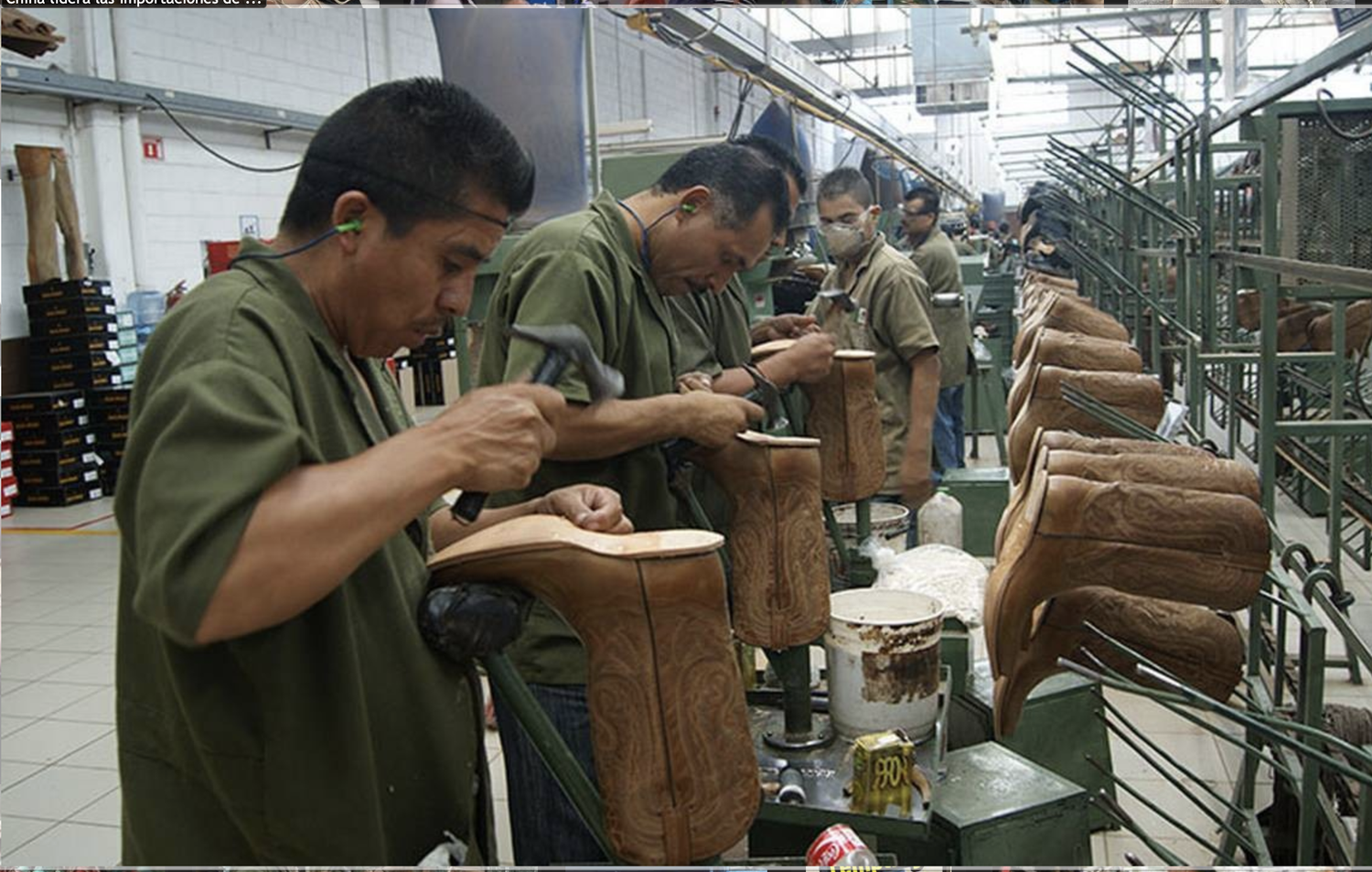
A maquiladora, often shortened to maquila, is a Mexican factory that imports raw materials and components duty-free under the condition that the finished goods are exported. For the full history, six types of shelter agreements, and modern compliance requirements, see our complete guide to what a maquiladora is. The IMMEX program is the modern legal framework under which these factories operate; for a practical guide, see our IMMEX program walkthrough.
What a Maquiladora Is
The core idea: a US, Canadian, or foreign buyer ships materials into Mexico, a Mexican factory turns them into finished goods, and the finished goods ship back out. Mexico does not collect duties on inputs because they do not enter the Mexican domestic economy. The buyer pays lower manufacturing labor costs than in the US, and the finished good returns to the US duty-free under USMCA (assuming it qualifies).
The IMMEX Program
In 2006, Mexico consolidated its previous maquila and PITEX programs into IMMEX (Programa de la Industria Manufacturera, Maquiladora y de Servicios de Exportacion). IMMEX lets qualifying factories:
- Import components, raw materials, machinery, and equipment duty-free for export production.
- Hold imported materials for up to 18 months before re-exporting.
- Claim VAT (IVA) refunds on export sales.
- Access simplified customs procedures.
IMMEX registration is required to operate as a maquila. Factories you source from should either hold their own IMMEX certification or work through a shelter service provider that holds one.
When a Maquila Setup Makes Sense
- Labor-intensive assembly where the labor cost arbitrage is meaningful.
- Products that need to return to the US under USMCA for duty-free treatment.
- Shelter arrangements for piloting Mexican production without establishing your own Mexican legal entity. A shelter operator handles IMMEX, compliance, and HR; you own the production process.
When It Does Not
- Products are sold into the Mexican domestic market. Maquila structures are designed for export and can complicate domestic sales.
- Very high automation with minimal labor content. The labor arbitrage disappears, and the paperwork overhead is not worth it.
- Proprietary products for which you need to hold raw materials in Mexico for more than 18 months.
For first-time buyers, we generally recommend starting with a factory that already holds IMMEX certification rather than setting up your own. You get the tax and tariff benefits without the administrative load.
Outsourcing to Mexico: When It Makes Sense
Outsourcing to Mexico has accelerated since 2020 as US tariff policy, supply chain disruption, and rising Chinese labor costs reshaped the math for North American buyers. Companies moving to Mexico now include Fortune 500 manufacturers establishing greenfield plants, mid-size brands diversifying away from Chinese suppliers, and small importers running their first nearshoring projects.
The decision to outsource manufacturing to Mexico depends on three questions: does your end market sit in North America, does your product category have meaningful Mexican supply chain depth, and can your unit economics absorb factory-gate prices that may run higher than Asian alternatives? If the answer to all three is yes, Mexico is usually the right answer. The remaining decision is which structure to choose: direct sourcing from an existing IMMEX-certified factory (Cosmo's specialty), shelter services with an operator such as NAPS or Tetakawi, or establishing a wholly owned Mexican subsidiary.
For most buyers, especially small- and mid-size brands, direct sourcing from an existing factory delivers the lowest setup cost, the fastest time to first shipment, and the least administrative burden. Shelter services make sense for buyers establishing dedicated Mexican production at meaningful scale. Wholly-owned subsidiaries make sense for buyers committing to long-term Mexican operations who want full operational control.
Common Mexico Sourcing Mistakes
The same patterns come up across first-time Mexico projects. Here are the ones we see most often.
| Mistake | What Goes Wrong | The Fix |
|---|---|---|
| Assuming Mexico is "cheap like China" | Factory-gate prices in Mexico are often 20 to 40% higher than in China. Budget breaks. | Model the landed cost with USMCA duty-free treatment and current tariff rates for your Asian alternative. Mexico usually wins for US buyers despite the higher unit cost. |
| Skipping the on-site factory audit | Factory capability claims do not match actual production. Product arrives late or off-spec. | Always visit or send a vetted representative before placing a production order. We include factory audits as part of our standard Mexico sourcing process. |
| Relying on English-only communication | Floor issues get lost in translation. Corrective actions do not happen. | Work with bilingual intermediaries on the ground, or hire a sourcing partner with Spanish-speaking staff in Mexico. |
| Getting a USMCA certificate without verifying the calculation | CBP audits find the product does not actually qualify. Back-duties and penalties apply. | Verify the certification math. Request the RVC calculation or the tariff-shift analysis that supports the certificate. |
| Underestimating border paperwork | Shipment sits at the border for days. Broker fees spiral. | Hire a competent customs broker on both sides before your first shipment. Get the documentation checklist from them in advance. |
| Treating Mexico as a single market | Factories in Baja behave differently from those in Nuevo Leon or the Bajio. | Choose the region based on product category fit and proximity to your end market, not just price. |
| Ignoring Mexican holidays in the production schedule | Missed deadlines when Semana Santa or Christmas shutdown lands in the middle of production. | Build holiday windows into the contracted delivery schedule from the start. |
Mexico Sourcing FAQ
Is it cheaper to manufacture in Mexico than in China?
It depends on the product category and the tariff environment. Factory-gate prices in Mexico are typically higher than in China. Once US tariffs on Chinese goods and ocean freight costs are added, Mexico often wins on landed cost for North American buyers, especially when USMCA duty-free treatment applies. Check current tariff rates for your HTS code before running the comparison.
Do I need a sourcing company to buy from Mexico?
Not strictly. You can find factories, manage quotes, and run production yourself. A sourcing company saves time by giving you access to vetted factories outside the directory system, managing Spanish-language communication, handling on-site factory audits, and negotiating without taking a commission on factory quotes. If your volume is meaningful or the product is complex, the math usually favors hiring a partner.
What is the MOQ for sourcing from Mexico?
It varies by category. Mexican factories often accept smaller MOQs than equivalent Chinese factories, especially for textiles, uniforms, furniture, and packaging. Expect 500 to 2,000 units for basic apparel, 1,000 to 10,000 units for packaging, and higher for automotive components. MOQ is always negotiable with volume commitments.
How does USMCA affect pricing?
Products that qualify under USMCA enter the US duty-free. This can be worth 10 to 25% of the product's value, depending on the HTS code and current tariff environment. The catch: you must meet the rules of origin (typically a regional value content threshold or a tariff shift rule), issue a valid certificate of origin, and be able to document it if audited.
What is OEM vs. ODM in Mexico?
OEM (Original Equipment Manufacturer) means the factory makes a product to your specifications. ODM (Original Design Manufacturer) means the factory has its own designs that you can rebrand. Mexican factories skew toward OEM production. ODM is less common than in China but available for standard categories such as packaging, basic apparel, and hardware.
How do I protect my designs when sourcing from Mexico?
The practical playbook is the same as in Asia: use NDAs (NNN agreements for stronger protection), register your trademarks and design patents in Mexico before sharing designs, spread production across multiple suppliers for the most proprietary components, and work with factories that have a reputation for respecting IP. Mexico's legal system enforces IP rights more consistently than China's, but it still requires you to take the right steps upfront.
How long does it take to get production started in Mexico?
Typical first-time Mexico sourcing runs 8 to 14 weeks from brief to first shipment, depending on complexity. Simple items can move faster; complex custom-tooled items can take longer. Build Mexican holiday windows into your plan.
Can I ship from Mexico to Europe, Asia, or other destinations?
Yes. Mexico has free trade agreements with the European Union, the Pacific Alliance (Chile, Colombia, Peru), Japan, Israel, and several others. Shipping Mexican-origin goods to non-USMCA destinations is straightforward through Manzanillo (Pacific) or Veracruz (Gulf) ports. The trade agreement benefits vary by destination; check current preferential rates.
What are the tariffs on Mexican goods?
Goods that qualify under USMCA enter the US, Canada, and Mexico duty-free. Goods that do not qualify pay the Most Favored Nation (MFN) rate under the WTO, which varies by HTS code. Check the current rate for your specific product before building your landed cost model.
Is English widely spoken in Mexican factories?
In sales teams at export-focused factories, yes. At the floor supervision and mid-management level, it is less consistent. Business is often conducted in a bilingual mix. For any serious production relationship, plan to either hire a bilingual liaison or work with a sourcing partner that has Spanish-speaking staff in Mexico.
Continue Reading
If this guide was useful, here are the three pillar reads we recommend next.
Cosmo's home pillar. Why Vietnam, what it makes well, factory vetting, and the full sourcing timeline from our Ho Chi Minh City team since 2014.
Read the guide →Head-to-head comparison across cost, quality, lead time, MOQ, and tariff exposure, with our recommended country by product category.
Read the comparison →How to add a second country to your supply chain without disrupting your existing China production. Framework, timeline, and common mistakes.
Read the guide →About the Author

Work with Cosmo Sourcing
Cosmo Sourcing has been helping clients source globally since 2012, with on-the-ground teams in Vietnam (since 2014), China (since 2012), and Mexico (since 2023). Our Mexico operation is based in Nuevo Leon. Whether you are evaluating contract manufacturing in Mexico for the first time, expanding an existing operation, or running a Mexico-plus-Asia multi-country strategy, our team handles the full sourcing cycle.
Send your specs
Share your product, quantities, and target deadline.
We vet factories
Our Nuevo Leon team qualifies suppliers on the ground.
You get quotes
Factory-direct quotes with original pricing, no markups.
You own the relationship
Direct factory contacts, handed over to you.
Ready to get started? Tell us what you are looking to source, your estimated quantities, and the deadline. We will come back with an honest assessment of whether Mexico is the right fit and a clear outline of next steps.
Mexico sourcing services Dedicated Buying Office How we work info@cosmosourcing.com