Maquiladoras and Product Sourcing from Mexico: What Importers Should Know
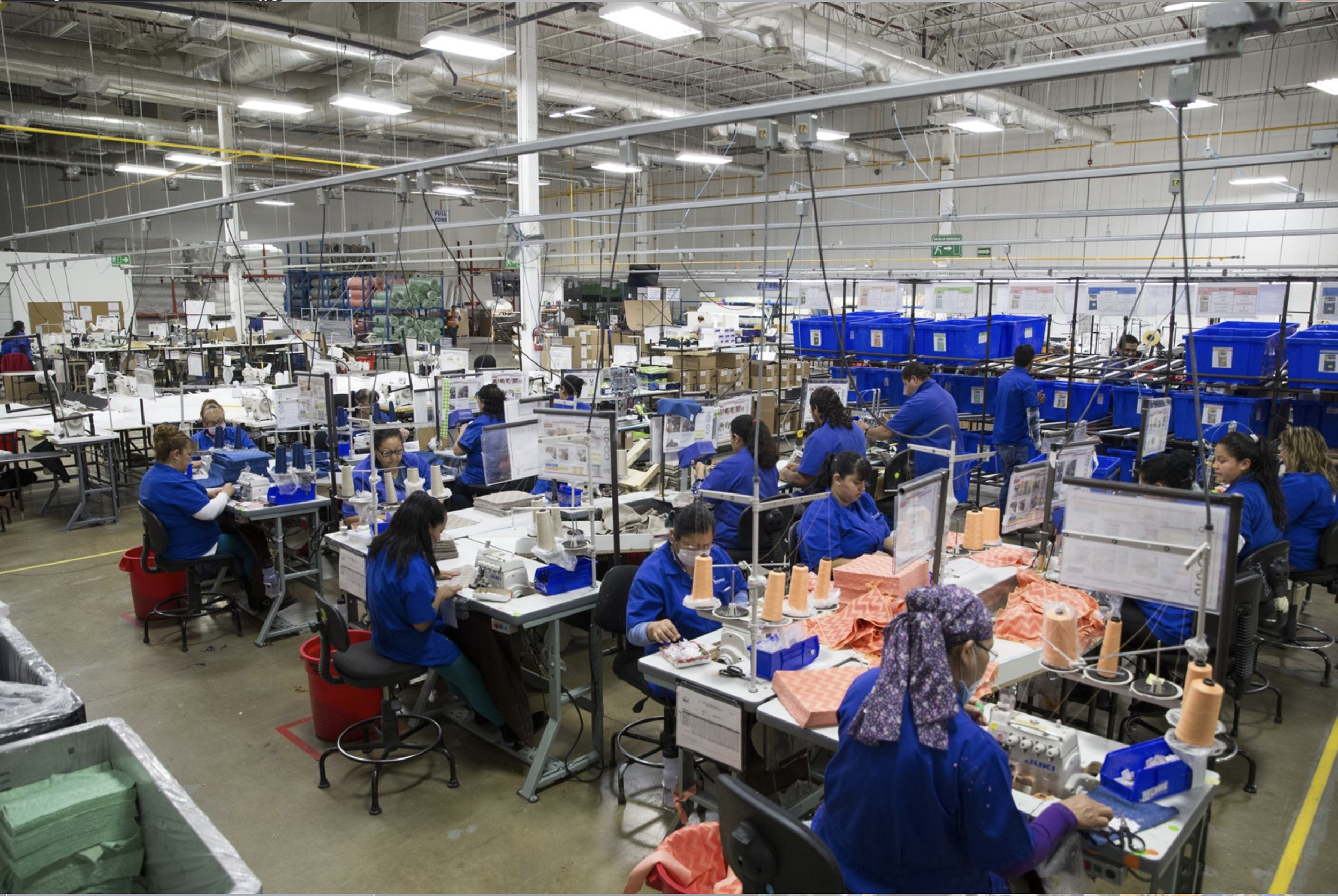
A maquiladora is a manufacturing facility in Mexico that operates under a special tax and customs framework that allows foreign companies to import raw materials duty-free, manufacture or assemble products, and export finished goods. Maquiladoras are registered under Mexico's IMMEX program (Industria Manufacturera, Maquiladora y de Servicios de Exportación), which eliminates import duties on materials as long as the finished product is exported. There are thousands of maquiladora operations concentrated along Mexico's northern border and in key industrial cities throughout the country.
We operate a sourcing office in Nuevo Leon, Mexico, and work with manufacturers across the country's major industrial corridors. When buyers ask us about manufacturing in Mexico, the maquiladora question comes up constantly, and the answer matters because it shapes which factories you can work with, the cost structure, and how your supply chain is set up. Here is what you actually need to know.
How Do Maquiladoras Work?
The maquiladora model is built on Mexico's IMMEX program, which the government created to attract foreign manufacturing investment. The core mechanic is straightforward: a company registered under IMMEX can import raw materials, components, and equipment into Mexico without paying import duties, provided the finished goods are exported.
In practice, maquiladoras operate under several different ownership structures.
Direct Ownership
A foreign company sets up its own Mexican subsidiary and applies for IMMEX registration directly. This gives full control over operations but requires navigating Mexican corporate law, tax registration, labor compliance, and real estate. Most small and mid-size buyers do not go this route because the setup cost and administrative burden are significant.
Shelter Companies
A shelter company (operadora) holds the IMMEX registration and handles all Mexican legal, tax, and compliance obligations on behalf of a foreign company. The foreign company provides the equipment, designs, and technical expertise while the shelter handles payroll, permits, customs brokerage, and regulatory compliance. This is the most common entry point for foreign manufacturers who want maquiladora benefits without establishing a full Mexican entity. Companies like Tetakawi, NAPS, and Entrada Group operate major shelter programs across northern Mexico.
Contract Manufacturing
Many maquiladora facilities accept contract manufacturing or OEM orders from foreign buyers without requiring the buyer to establish a Mexican entity. The maquiladora handles production under its own IMMEX registration. This is the model most relevant to the buyers we work with at Cosmo Sourcing: you place an order, the factory produces it, and the duty-free benefits are built into the factory's cost structure rather than requiring any registration on your end.
What Products Are Made in Maquiladoras?
Maquiladoras produce across a wide range of industries, but certain sectors dominate.
Automotive Parts and Assemblies
Mexico is one of the world's largest producers of auto parts, and maquiladoras manufacture everything from wiring harnesses and brake components to full vehicle assemblies. Companies like GM, Ford, and Stellantis operate maquiladora facilities across northern Mexico.
Electronics and Appliances
Samsung, LG, Foxconn, and Whirlpool all run maquiladora operations in Mexico, producing everything from televisions and refrigerators to electronic components and sub-assemblies.
Medical Devices
Tijuana and the Baja California corridor have become a global hub for medical device manufacturing under the maquiladora framework. Becton, Dickinson, and Medtronic, and dozens of smaller, specialized manufacturers operate there.
Aerospace Components
Querétaro and Chihuahua host a growing cluster of aerospace maquiladoras that produce parts for Bombardier, Safran, and GE Aviation.
Textiles and Apparel
Garment and textile maquiladoras operate primarily in the Puebla, Aguascalientes, and border regions, producing for both the US market and domestic brands. If you are sourcing clothing from Mexico, some of the factories you encounter will be registered under IMMEX.
Maquiladoras vs. Standard Mexican Manufacturers: What Is the Difference for Buyers?
This is where the practical decision matters. Not every factory in Mexico is a maquiladora, and for most of the buyers we work with, a standard Mexican manufacturer is the better fit.
Cost Structure
Maquiladoras are optimized for high-volume, export-oriented production. Their duty-free material imports keep costs competitive on large runs, but that cost advantage shrinks on smaller orders. Standard Mexican manufacturers set their own pricing outside the IMMEX framework, and for typical small-to-mid-size buyer order sizes (500 to 5,000 units), the pricing difference is often negligible.
Minimum Order Quantities
Maquiladora operations tend to run higher MOQs because their production lines are configured for volume. If you need 300 units of a custom product, a maquiladora that normally runs 10,000-unit batches is unlikely to be interested. Standard OEM/ODM manufacturers in Mexico are generally more flexible with order sizes, especially in sectors such as furniture, packaging, and consumer goods.
Complexity and Setup
Working directly with a maquiladora (outside of simple contract manufacturing) can involve shelter company fees, compliance requirements, and longer onboarding timelines. Standard factory relationships work like sourcing anywhere else: you get quotes, approve samples, place orders, and manage quality.
When Maquiladoras Make Sense
The maquiladora model is strongest when you are manufacturing at scale (typically 10,000+ units), need duty-free material imports to hit your cost targets, and plan to export everything produced. Companies setting up dedicated production lines for the US market, especially in automotive, electronics, or medical devices, benefit most from the IMMEX framework.
When Standard Sourcing Makes More Sense
If you are a brand ordering 500 to 5,000 units, working across multiple product categories, or testing a new market, standard Mexican manufacturers will be more accessible and flexible. This is the model most of our clients at Cosmo use, and it is how we work across our Mexico sourcing operations.
Where Are the Major Maquiladora Zones?
Maquiladora activity is concentrated in specific regions, each with its own industrial specialization.
Tijuana and Baja California
The largest maquiladora corridor in Mexico. Medical devices, electronics assembly, and aerospace dominate. Proximity to San Diego makes logistics to the US West Coast fast, often just a truck crossing away.
Ciudad Juárez and Chihuahua
The second-largest concentration. Automotive wiring harnesses, electronics, and consumer goods assembly. Juarez alone has over 300 maquiladora plants.
Monterrey and Nuevo León
Mexico's industrial capital, where our Cosmo office is based. Heavy industry, automotive, steel, glass, and a growing advanced manufacturing sector. Monterrey's maquiladoras tend to be more sophisticated than the border assembly plants. Visiting factories in this region, what stands out is how hard the workforce is. There is also a wave of modern facilities being built across Nuevo Leon with significantly improved working conditions, cleaner production floors, and better infrastructure than what you see at older border assembly operations.
Reynosa and Tamaulipas
Strong in electronics and automotive, though security considerations have pushed some investment toward Monterrey and Saltillo in recent years.
Querétaro
Mexico's aerospace capital. Bombardier's largest non-Canadian facility is here, alongside dozens of Tier 1 and Tier 2 aerospace suppliers.
Do You Need a Maquiladora for Your Product?
For most of the buyers we work with, the honest answer is no, not directly.
The maquiladora framework is designed for companies establishing their own manufacturing presence in Mexico or running dedicated high-volume production lines. If you are a brand, Amazon seller, or mid-size company placing orders with Mexican factories, you benefit from the maquiladora ecosystem indirectly (many of the factories you source from may hold IMMEX registration) without needing to engage with the program yourself.
Here is a simple framework:
You Probably Need to Think About Maquiladoras If...
You are planning to set up a dedicated production facility in Mexico, your annual volume justifies a long-term manufacturing commitment, or you need to import specialized materials duty-free to hit your cost targets.
Standard OEM/ODM Sourcing Is Likely the Better Path If...
You are ordering finished products from existing factories, your volumes are in the hundreds to low thousands of units, you are sourcing across multiple product categories, or you want to test Mexico as a manufacturing alternative to Asia before committing to a permanent presence.
If you are in the second group, the maquiladora question becomes background context rather than an active decision. Your focus should be on finding the right factory, qualifying their capabilities, and managing quality, which is what a sourcing company does.
Understanding how nearshoring and low-cost country sourcing strategies work can also help frame whether Mexico's manufacturing infrastructure, including its maquiladora zones, fits your supply chain goals. Mexico is the leading nearshoring destination, but it is part of a broader Latin American sourcing landscape worth understanding.
Source from Mexico with Cosmo Sourcing
Whether your product fits the maquiladora model or standard Mexican manufacturing, finding the right factory is the critical step. Cosmo Sourcing operates on a flat-fee model with no commissions or markups. Our team in Nuevo Leon works directly with manufacturers across Mexico's industrial regions, providing original quotes from two to six factories and direct introductions so you can compare options transparently.
If you are exploring Mexico for the first time or looking to diversify beyond your current supply chain, get in touch or email us at info@cosmosourcing.com.