Strategic Sourcing Services Explained for Product Sourcing
Strategic sourcing services help product brands build and manage a reliable supplier base across multiple countries, rather than treating each manufacturing project as a one-time search. If you are sourcing products from Vietnam, Mexico, China, or other manufacturing regions, a strategic approach means systematically diversifying your factory network, benchmarking costs across suppliers, and maintaining ongoing production oversight so your supply chain does not depend on a single factory or country.
I have been running sourcing operations since 2012, with teams on the ground in Vietnam since 2014 and Mexico since 2023. Most of the brands we work with at Cosmo Sourcing start with a single product and a single country. The ones that scale successfully are the ones that move from transactional sourcing to a strategic model, and that shift changes everything about how they manage costs, quality, and risk.
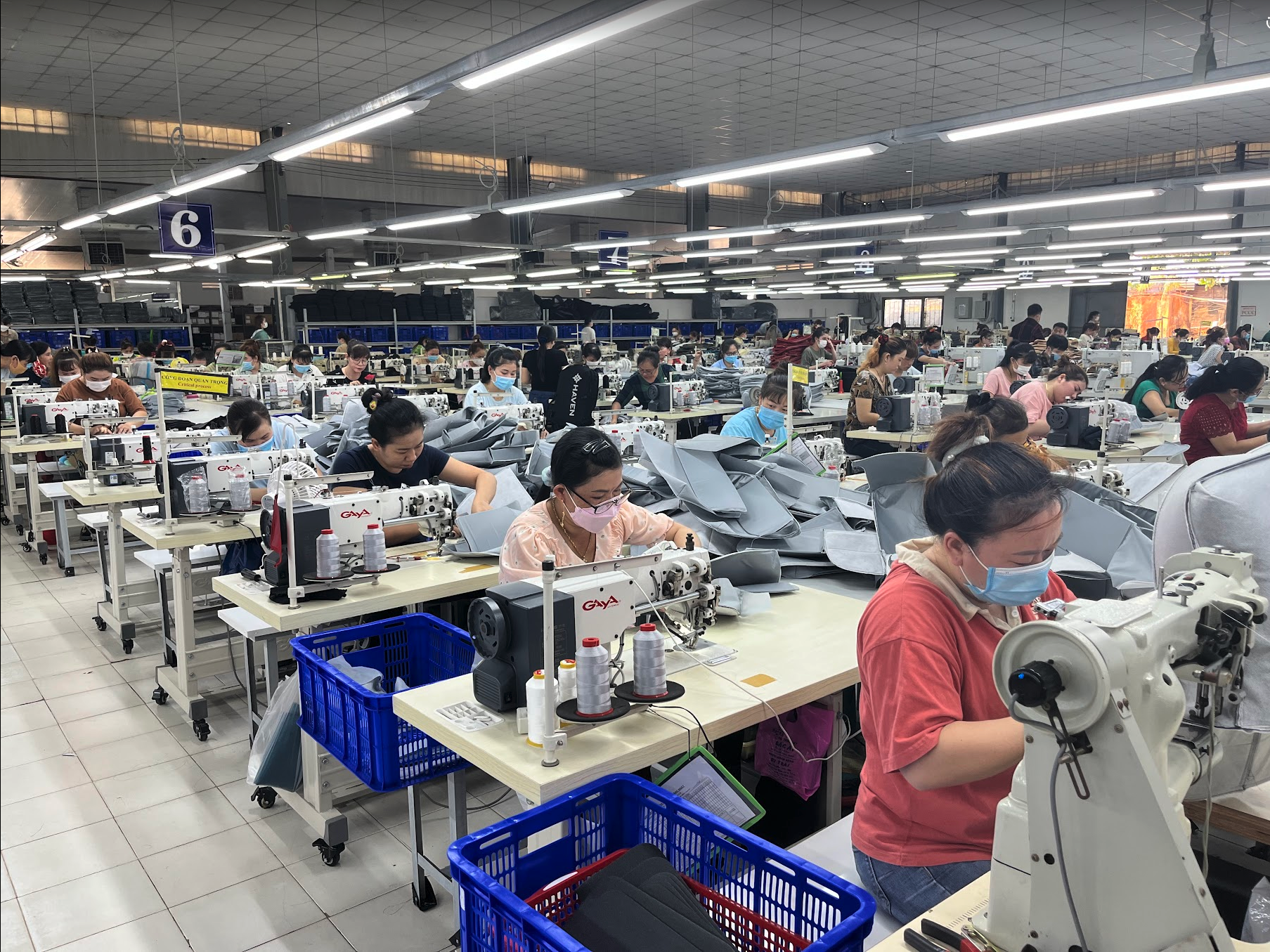
What Are Strategic Sourcing Services?
Strategic sourcing services are professional services provided by a strategic sourcing company or consulting firm that manage your supplier relationships, competitive quoting, and production oversight on an ongoing basis. Rather than a one-time factory search, a strategic sourcing partner continuously evaluates suppliers, benchmarks costs across countries, negotiates terms, and monitors production quality across your entire product line.
That definition sounds straightforward, but most sourcing services companies and enterprise procurement firms define it differently than what actually matters for product brands. In corporate procurement, "strategic sourcing" typically refers to spend analysis, RFx processes, contract lifecycle management, and vendor scorecards. That framework works for companies buying office supplies or IT services. It does not map well to a brand owner who needs to find a factory in Binh Duong that can produce 2,000 custom wood tables per month at the right price point and quality level.
For product brands, strategic sourcing is more practical: which countries should you manufacture in, which factories are the best fit for each product line, and how do you continually improve your supply chain?
What Strategic Sourcing Looks Like for Product Brands
Supplier Diversification Across Countries
Relying on a single country or a single factory is the most common supply chain risk we see. When tariffs shift, a factory closes, or lead times spike during peak season, brands with one supplier have no fallback.
Strategic sourcing means building a supplier base across multiple regions so you can shift production when conditions change. A furniture brand, for example, might source solid wood dining tables from Vietnam (where Binh Duong Province has deep woodworking expertise), upholstered pieces from Mexico (shorter transit to North American markets), and metal components from China (where tooling costs are lowest).
We have helped brands set up exactly this kind of multi-country structure. One furniture client we work with sources dining tables from a factory cluster in Binh Duong, outdoor cushions from a separate textile facility in Ho Chi Minh City, and metal table bases from Monterrey. When shipping delays from Southeast Asia spiked during peak season, they shifted a portion of their upholstered production to Mexico and kept their delivery schedule intact.
The initial investment in qualifying factories across two or three countries pays for itself the first time a supply disruption hits, and it gives you negotiating leverage with every factory in your network because they know you have alternatives.
Competitive Quoting and Cost Benchmarking
One of the most valuable parts of strategic sourcing is ongoing competitive quoting. Most brands collect quotes when they first source a product and then never revisit pricing. Factories know this, and prices tend to drift upward over time.
A strategic sourcing partner collects fresh quotes regularly, from both your current suppliers and new candidates. At Cosmo Sourcing, we typically collect two to six original factory quotes per product category, with full pricing breakdowns including tooling, materials, labor, and packaging. You see every quote unaltered, with no commissions or markups.
This benchmarking process keeps your costs competitive without damaging your factory relationships. When your current supplier sees that you have comparable quotes from other qualified factories, pricing conversations become more productive. In our experience, brands that benchmark annually save 8% to 15% on unit costs compared to those that negotiate only at the start of a relationship.
Ongoing Production Management vs. One-Time Factory Search
A one-time factory search ends when you get your supplier introductions. Strategic sourcing continues through sampling, production, quality control, and shipping, and then repeats for the next order or product line.
The difference matters because, in our experience, most production problems occur after the factory is selected. Color matching failures, missed delivery dates, inconsistent stitching quality, packaging that does not meet import requirements: I have seen all of these derail orders that started with a perfectly good factory match. Our team caught a dye lot mismatch on a garment run in Ho Chi Minh City mid-production while physically at the factory checking inline samples. If we had been coordinating remotely, that problem would have shipped.
For most garment factories in Vietnam, for example, MOQs run 500 to 1,000 pieces per style, lead times are typically 45 to 60 days after sample approval, and standard payment terms are 30% deposit with 70% before shipment. If you are sourcing across two or three factories in different provinces, coordinating those timelines so all SKUs arrive together is a logistics challenge in itself. Managing those details across multiple factories and countries is where strategic sourcing becomes essential, and where having a partner with local staff saves time, money, and headaches.
If you are unfamiliar with the difference between a sourcing company and an individual sourcing agent, our guide on what a sourcing agent does covers the key distinctions.
Strategic Sourcing vs. One-Off Sourcing Projects
Most of the brands I talk to start with a one-off project and eventually realize they need something more structured. Here is how the two approaches compare:
| One-Off Sourcing | Strategic Sourcing | |
|---|---|---|
| Scope | Single product, single country | Full product line, multiple countries |
| Duration | Ends at factory introduction | Ongoing relationship |
| Cost benchmarking | Quotes collected once | Regular re-quoting and benchmarking |
| Supplier risk | Single factory dependency | Diversified supplier base |
| Production oversight | Buyer manages independently | Partner monitors quality and timelines |
| Best for | First product launch, testing a market | Scaling brands with repeat orders |
One-off sourcing is the right starting point for most brands, and I always recommend it for launching your first product. You have an idea, you need to find a factory, and you want quotes. That is what our Simple Sourcing service is built for. Strategic sourcing makes sense once you have an established product line, repeat orders, or products spanning multiple categories and countries. We see the shift happen naturally: a brand comes to us for one product, reorders go well, and within a year, they are asking us to manage sourcing across three or four categories. At that point, the ongoing cost savings, quality consistency, and supply chain resilience justify a longer-term partnership.
Do I Need Strategic Sourcing Consulting?
Suppose you are sourcing a single product from one country, probably not. Strategic sourcing consulting makes sense when your product line has grown to the point where managing multiple factories, countries, and reorder cycles is taking more time than running your actual business. That is the inflection point at which most of our clients move from project-based sourcing to our Dedicated Buying Office retainer, which serves as an ongoing strategic sourcing service for mid-market brands. Instead of hiring a procurement team or engaging a traditional consulting firm built for enterprise RFx processes, you get a dedicated sourcing team in the manufacturing region that handles supplier evaluation, quoting, and production management on a month-to-month basis.
How Do I Evaluate Strategic Sourcing Vendors?
When comparing strategic sourcing vendors, focus on three things: where their people are physically located, how they get paid, and how deep their factory network runs in the countries you need. A vendor with a website listing 20 countries but no staff in any of them is not a strategic partner. Ask for specifics: how many factories have they visited in the past year, can they show you original quotes from previous projects (redacted for confidentiality), and will they introduce you directly to the factory? If a strategic sourcing vendor will not share the factory's contact information, that is a red flag.
What Makes a Good Strategic Sourcing Company?
The best strategic sourcing company for a product brand is one that works exclusively for you, not the factory. That means transparent pricing with no hidden commissions, original factory quotes shared directly, and a team that has spent years building real relationships in the regions where your products are made. At Cosmo Sourcing, we built our model around exactly this: fixed fees, direct factory introductions, and on-the-ground teams in Vietnam and Mexico. The companies that fail their clients are typically those whose revenue comes from the factory side, because that is where loyalty lies.
How to Choose a Strategic Sourcing Partner
On-the-Ground Teams vs. Remote Coordination
The single biggest differentiator between strategic sourcing partners is whether they have people physically present in the manufacturing regions. Remote coordination works for simple reorders. It does not work when you need someone to walk a factory floor during production, verify that the right materials are being used, or resolve a quality issue before 5,000 units ship.
Ask any potential partner where their team is physically located. If the answer is exclusively in your home country, they are coordinating remotely. At Cosmo Sourcing, our team in Ho Chi Minh City visits factories in person, and our Mexico team operates out of Nuevo Leon. That proximity matters when something goes wrong, and something always goes wrong eventually.
For a broader framework on evaluating sourcing companies, our guide on how to find good sourcing companies and avoid the bad ones covers the full checklist.
Fee Transparency (Fixed Fee vs. Commission vs. Hybrid)
How a sourcing company gets paid tells you where its loyalty lies. I have worked in this industry long enough to know the three common models, and they are not created equal.
Commission-based sourcing companies earn a percentage of your production cost, typically 5% to 15%. I built Cosmo Sourcing specifically to avoid this model, because it creates a structural incentive to recommend higher-priced factories. A higher order value means a higher commission. It also means you never know the true factory price.
Fixed-fee companies like ours charge a set price for services, regardless of your order value. You receive original, unaltered factory quotes and make your own decision. We chose this model because it aligns our incentives with yours: finding the best factory at the best price, not the one that pays us the most for a referral.
Hybrid models combine elements of both. Some are transparent, some are not. My advice: always ask whether you will receive the factory's original quote and whether the sourcing company receives any payment from the factory. If they will not answer that question directly, that tells you what you need to know.
At Cosmo Sourcing, you see every quote exactly as the factory issued it. We do not receive commissions, markups, or referral fees from any factory. For a deeper comparison of sourcing company types, see our guide on what a product sourcing company is and how they work.
Country Coverage and Factory Network Depth
A strategic sourcing partner needs to cover the countries where your products should be made. Many sourcing companies operate in only one country or have a presence on paper without real factory relationships on the ground.
Look for a partner whose country coverage matches your product mix. Apparel and textiles are Vietnam's strongest sectors. Ceramics, glassware, and heavier goods often make sense in Mexico due to shorter transit times to North America. Electronics and high-volume injection molding still favor China for tooling infrastructure. Thailand and Indonesia are competitive for packaging, wood products, and home goods.
The depth of the factory network matters as much as the breadth. A sourcing company that has spent years building relationships in a region can get faster responses from factories, negotiate better terms, and flag quality risks before they become problems. We have been building our Vietnam network since 2014, and our Mexico network since 2023, and that head start translates to faster turnaround and better pricing for every client.
The Four Pillars of Strategic Sourcing
When I break down what makes a strategic sourcing program work, whether you manage it in-house or through a partner like us, it comes down to four things: spend analysis (understanding where your money goes and identifying savings opportunities), supplier selection (qualifying factories based on capability, quality, and reliability, not just price), contract management (clear terms covering pricing, timelines, quality standards, and payment), and supplier management (ongoing performance monitoring, relationship building, and continuous improvement). For product brands, these pillars translate directly into the sourcing workflow we run every day at Cosmo: know your costs, qualify your factories, lock in clear terms, and keep improving the relationship over time.
Work with Cosmo Sourcing for Strategic Sourcing and Buying Office Services
If you are ready to move beyond one-off factory searches, Cosmo Sourcing offers both project-based sourcing and ongoing Dedicated Buying Office services for brands that need a permanent sourcing team across countries. We work on a fixed fee, provide original factory quotes with no commissions or markups, and introduce you directly to every factory. Our teams in Vietnam and Mexico handle supplier identification, competitive quoting, quality oversight, and production management so you can focus on growing your brand.
Whether you need to source a single product or build an ongoing supply chain across multiple countries, we can help. Reach out at info@cosmosourcing.com or visit cosmosourcing.com/contact-us to start a conversation.