USMCA Rules of Origin: A Guide for Companies Sourcing from Mexico
USMCA rules of origin determine whether a product manufactured in Mexico, the United States, or Canada qualifies for duty-free treatment when shipped between the three countries. If your product meets the applicable rule, it enters duty-free. If it does not, you pay the standard Most Favored Nation (MFN) tariff rate, which can range from a few percent to over 20% depending on the product category. For buyers sourcing from Mexico, understanding these rules is the difference between a cost-competitive supply chain and an expensive one.
We operate a sourcing office in Nuevo Leon, Mexico, and work with manufacturers across the country's major industrial corridors. One of the most common issues we see with new clients is the assumption that manufacturing a product in Mexico automatically makes it duty-free for import into the U.S. or Canada. It does not. The product has to meet specific origin criteria, and the burden of proof falls on you.
How USMCA Rules of Origin Work
A product qualifies as "originating" under USMCA through one of three main pathways.
Wholly Produced or Obtained
If the product is made entirely from materials sourced within the U.S., Mexico, or Canada, it qualifies. A chair manufactured in Mexico from Mexican-sourced wood and hardware made in the U.S. would meet this standard. In practice, very few manufactured goods clear this bar because most supply chains involve at least some non-North American inputs.
Tariff Shift
This is the most common qualification method for manufactured goods. If non-USMCA materials undergo sufficient processing in a USMCA country to change their tariff classification (HTS code), the finished product can qualify as originating. For example, raw wheat imported from outside North America and milled into pasta in Mexico would undergo a tariff shift from a grain classification to a food product classification, potentially qualifying the pasta for duty-free treatment.
The key is that the change in tariff classification must comply with the specific rule for that product. USMCA Annex 4-B contains 208 pages of product-specific rules that define exactly which tariff shifts qualify. There is no shortcut here. You need to know your product's HTS code and check the specific rule that applies to it.
Regional Value Content (RVC)
Some products qualify based on the percentage of their value that originates within North America. USMCA provides two calculation methods: the transaction value method (based on the selling price) and the net cost method (based on production costs). The threshold varies by product category. For most general merchandise, the RVC requirement is typically 50% to 60%. For automotive goods, it is 75%.
De Minimis Rule
Even if a product contains non-USMCA materials that do not undergo the required tariff shift, it can still qualify if those non-originating materials represent no more than 10% of the product's total value. For textiles and apparel, the 10% threshold is measured by weight rather than value. This gives buyers some flexibility when a small component does not meet the full origin requirement.
Why USMCA Compliance Matters for Sourcing Buyers
The cost difference between compliant and non-compliant goods is significant. If your product qualifies under USMCA, it enters the U.S. duty-free. If it does not, you pay the MFN tariff rate for that product's HTS classification. On a $100,000 shipment with a 15% MFN rate, that is $15,000 in duties you could have avoided.
Beyond the standard MFN rates, non-USMCA-qualifying goods imported from Mexico are also subject to any additional tariffs currently in effect. The trade environment has become more unpredictable in recent years, and goods that do not qualify for USMCA preferential treatment are not protected from these additional duties. USMCA-qualifying goods, by contrast, maintain their duty-free status under the agreement regardless of broader tariff shifts. However, Section 232 tariffs on specific products, such as steel and aluminum, still apply separately. For a broader overview of how tariffs affect sourcing decisions, see our tariff survival guide.
The agreement is also undergoing its first mandatory joint review in July 2026. The three countries will assess whether to extend USMCA for another 16 years. While outright termination is unlikely, amendments to specific rules of origin are possible, particularly in the automotive sector. Buyers should monitor these developments, as changes to product-specific rules could affect the qualification status of goods currently entering duty-free. Check the latest developments from USTR for updates on the review outcomes.
Key Rules by Product Category
The rules are product-specific, but a few categories are especially relevant for sourcing buyers working with Mexican manufacturers.
Textiles and Apparel
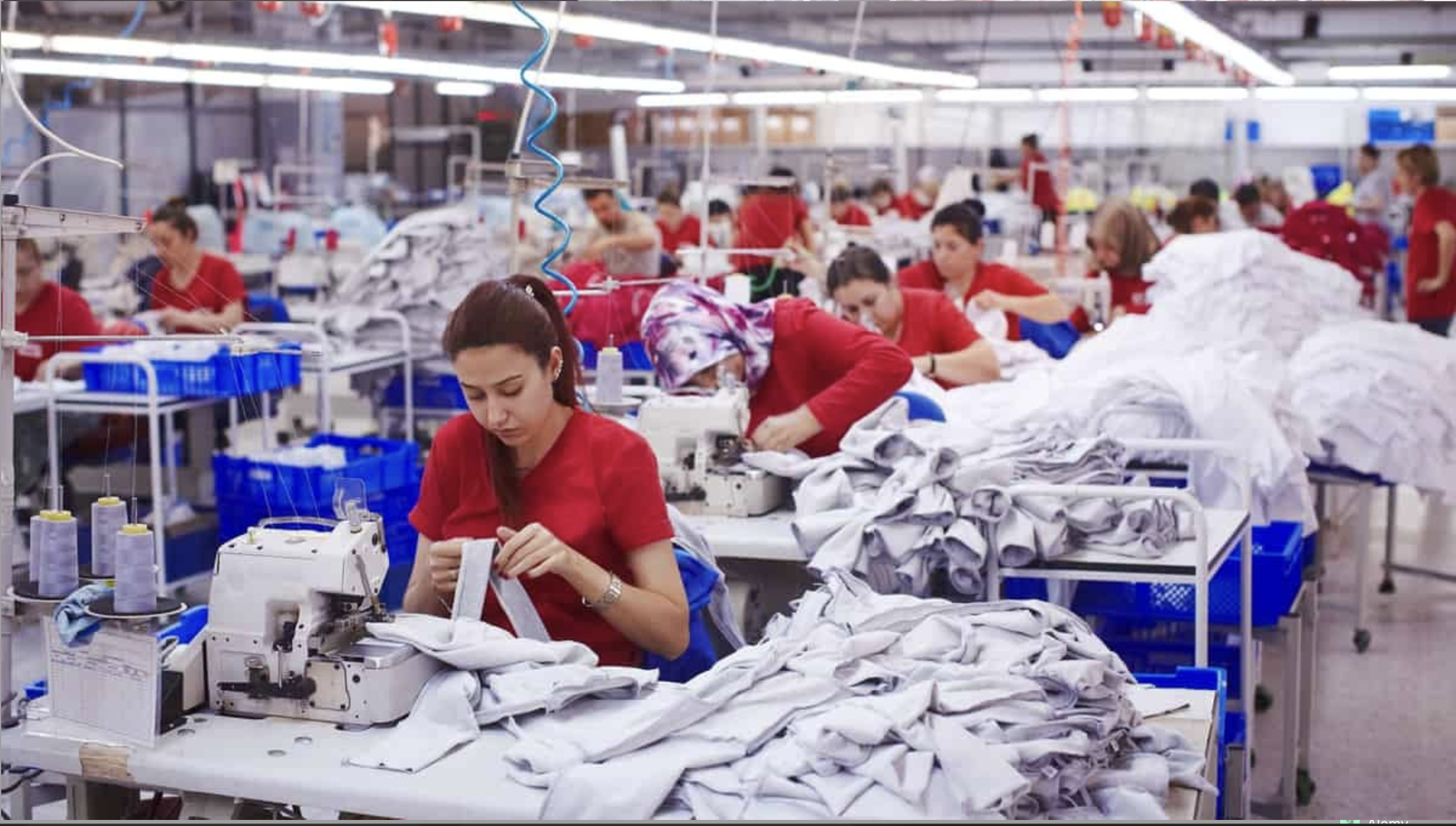
Textiles and apparel follow the "yarn-forward" rule, one of the stricter origin requirements in the agreement. To qualify for duty-free treatment, the yarn used to produce the fabric (and ultimately the garment) must be formed in a USMCA country. Fabric weaving, cutting, and sewing must also occur within the region.
In practical terms, if a factory in Mexico sews a cotton shirt using fabric woven from Chinese yarn, the shirt does not qualify. The yarn itself needs to originate in the U.S., Mexico, or Canada. This has a direct impact on where buyers need to source their raw materials. We see this frequently with clients looking at clothing manufacturers in Mexico and denim production, where the yarn-forward rule determines the entire upstream supply chain.
There are exceptions. Silk and linen apparel follow a "single transformation" rule, meaning the fabric can come from outside North America as long as cutting and sewing happen within the USMCA region. Viscose rayon staple and certain other fibers not widely produced in North America also qualify for exemptions. The de minimis threshold for textiles is 10% by weight.
Automotive
Automotive rules are the most complex in the agreement. Finished vehicles require 75% regional value content, up from 62.5% under the old NAFTA. At least 40% to 45% of the vehicle's content must come from workers earning at least $16 per hour. Additionally, 70% of a vehicle's steel and aluminum must originate in North America, with steel required to be melted and poured in the region. These rules primarily affect large OEMs and maquiladora operations. Still, they trickle down to Tier 2 and Tier 3 parts suppliers who must provide origin documentation for every component they supply up the chain.
Electronics
Consumer electronics generally follow tariff shift rules. The specific requirements depend on the product's HTS classification. Many electronic assemblies can qualify if the final assembly and key processing steps occur in a USMCA country, even when individual components are sourced globally. Check the product-specific rules in Annex 4-B for the applicable tariff shift.
General Merchandise
For most consumer and industrial products outside of textiles and automotive, the primary pathways are tariff shift or RVC. Furniture, housewares, packaging, plastics, and similar categories typically have simpler rules than textiles or automotive products. Many of these products can qualify with a combination of regional assembly and a sufficient tariff shift from non-originating inputs. Mexico manufactures for dozens of major global brands across these categories, and the factories serving those brands often accept OEM and ODM orders with USMCA-compliant supply chains already in place.
How to Verify Whether Your Product Qualifies
Verifying USMCA qualification is a step-by-step process. Skipping any step creates risk.
Confirm Your HTS Classification
Your product's Harmonized Tariff Schedule (HTS) code determines which rule of origin applies. Misclassifying your product is one of the most common reasons USMCA claims get denied. If you are unsure of your classification, work with a licensed customs broker before proceeding.
Look Up the Product-Specific Rule
With your HTS code confirmed, check USMCA Annex 4-B for the applicable rule. It will specify whether your product requires a tariff shift, regional value content, or both. The U.S. Harmonized Tariff Schedule (General Note 11) also contains the USMCA rules for each product category.
Map Your Supply Chain Inputs
Identify the origin of every material and component that goes into your product. This is where many buyers fall short. You need to know not only where the product is assembled, but also where each input material comes from and its HTS classification. For tariff shift rules, the classification of your inputs before processing matters as much as the classification of the finished product.
Calculate RVC if Required
If the applicable rule includes a regional value content requirement, run the calculation using either the transaction value or the net cost method. The transaction value method is simpler (it uses the product's selling price). Still, the net cost method sometimes yields a more favorable result because it excludes certain costs, such as marketing and shipping. Your customs broker can advise on which method works better for your specific product.
Document Everything
USMCA no longer requires a specific government-issued certificate of origin form. Instead, the exporter, producer, or importer can certify origin using any document that includes the nine minimum data elements required by the agreement. That flexibility is convenient, but it also means the responsibility for accurate certification falls directly on the parties involved. Keep detailed records of supplier declarations, material sourcing, cost breakdowns, and production processes. Customs authorities in all three countries can request supporting documentation at any time, and enforcement has intensified in recent years.
Common Compliance Mistakes Buyers Make
In our experience working with buyers sourcing from Mexico, the same mistakes keep recurring.
Assuming "Made in Mexico" Means USMCA-Qualifying
This is the most common misconception. A product assembled in Mexico using components sourced entirely from China does not qualify. The origin of inputs matters as much as the location of assembly.
Relying on the Manufacturer's Word Without Verification
Some manufacturers will claim USMCA compliance without having the documentation to back it up. We have seen cases where a factory stated their product qualified, but when we reviewed the supply chain inputs, significant components came from non-USMCA sources. Always verify origin documentation independently, especially when working with a new supplier.
Using Outdated NAFTA Qualification Analyses
Products that qualified under NAFTA do not automatically qualify under USMCA. The product-specific rules in Annex 4-B were revised for many tariff headings, and calculation methodologies were updated. If your last compliance analysis was done under NAFTA, it needs to be redone.
Incomplete Record-Keeping
Even if your product genuinely qualifies, incomplete documentation can result in denied claims and penalties. Customs authorities can audit USMCA claims years after importation. If you cannot produce the supporting records, you lose the preferential rate and may face fines.
Ignoring the 2026 Joint Review
The USMCA joint review happening in July 2026 could result in amended rules for specific sectors. Buyers with long-term sourcing strategies should factor in the possibility that qualification criteria could change. This is particularly relevant for automotive parts and any products where Chinese content in the Latin American supply chain has become a political issue.
How Cosmo Sourcing Helps with USMCA Compliance
Our team in Nuevo Leon works with manufacturers across Mexico's industrial regions. As part of the sourcing process, we verify that the manufacturers we connect you with can provide proper USMCA origin documentation for your product category. This includes reviewing their supply chain inputs, confirming their tariff classification approach, and ensuring the documentation meets the agreement's requirements.
We are not customs brokers or trade lawyers, and we do not provide legal advice on tariff classification. What we do is make sure compliance issues do not blindside you after you have already placed an order. We have worked with thousands of clients sourcing across Vietnam, Mexico, and other manufacturing hubs, and we have seen what happens when USMCA compliance is treated as an afterthought instead of a sourcing criterion from day one.
If you are sourcing from Mexico or considering it, we can help you find the right manufacturer and ensure compliance is handled from the start. Cosmo Sourcing works on a flat fee, acts solely in your interest, and connects you directly with the factory. Reach out at info@cosmosourcing.com or visit cosmosourcing.com/contact-us to set up a call.