
COSMO SOURCING BLOG

Top 12+ Vietnam Uniform Manufacturers // How to Find Great Factories for Your Uniforms
Vietnam's garment sector exported approximately $44 billion in 2024 and is on pace to exceed $46 billion in 2025, making it one of the world's largest apparel exporters. Uniforms, from corporate polos and hotel staff wear to medical scrubs and industrial workwear, represent a growing share of that output. If you're sourcing uniforms from Vietnam for the first time, this guide covers how to find factories, what to expect regarding pricing and MOQs, and the most common mistakes I see buyers make.
I'm Jim Kennemer, founder of Cosmo Sourcing. We've been based in Vietnam since 2012 and have helped over 4,000 clients source more than 10,000 products across Southeast Asia. Uniforms are one of the most common product categories we handle, and I've visited dozens of uniform factories across the country. Here's what I've learned.
A Factory Just Asked for Your EAU // Here's What That Means
EAU stands for Estimated Annual Usage, and it is the projected number of units you plan to order from a supplier over a 12-month period. If a factory or sourcing company has asked you for your EAU, they need this number to quote you accurately, plan material purchases, and determine whether your order volume fits their production capacity.
Getting your EAU right matters. Overestimate it and you risk committing to volumes you can't move. Underestimate it and you may get quoted higher unit prices or find that factories aren't interested in working with you. This guide walks you through what EAU actually means in practice, why it matters for your pricing, and how to calculate a realistic number before you start requesting quotes.
What Are the 7 Types of Products? A Guide to Product Classification
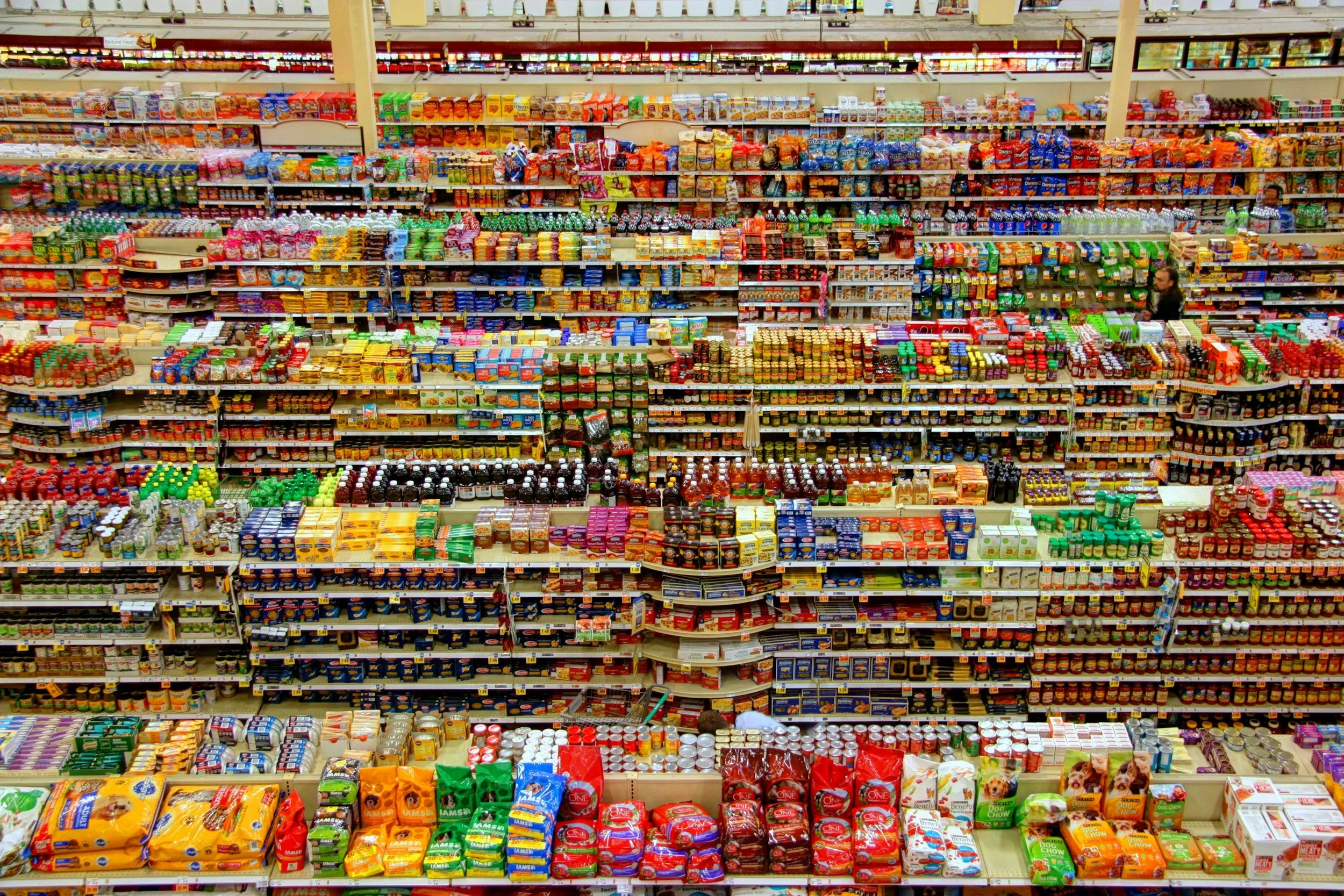
The seven types of products are divided into two groups: consumer products (convenience, shopping, specialty, and unsought) and industrial products (entering, foundation, and facilitating). Each type reflects how and why people buy, and understanding which category your product falls into shapes everything from how you market it to how you source and manufacture it.

The Real Risks of Global Sourcing (and How to Manage Them)
Global sourcing can cut your production costs, open up manufacturing capabilities you can't find domestically, and give you access to factory capacity that simply doesn't exist in many home markets. But it also introduces risks that catch buyers off guard, sometimes on their very first order. The biggest ones are supplier reliability, quality control, communication breakdowns, logistics delays, and regulatory compliance.
After more than a decade of helping thousands of clients source over 10,000 products from factories across Vietnam, China, Mexico, and Southeast Asia, the pattern is clear: most sourcing failures aren't caused by the risks buyers expect. They're caused by the ones buyers underestimate or don't see coming until production is already underway.
This guide breaks down the risks that actually matter when sourcing products internationally, drawn from real projects, and what you can do to manage them before they cost you money.
What are the Four Pillars of Strategic Sourcing?
n today’s fast-paced and highly competitive business environment, strategic sourcing is critical to enhancing procurement efficiency and driving long-term value. By integrating data-driven decision-making and fostering strong supplier partnerships, organizations can achieve cost savings, improve product quality, ensure supply chain sustainability, and stimulate innovation. This article explores the four fundamental pillars of strategic sourcing: key elements that create a resilient and high-performing procurement strategy.
As global supply chains become increasingly complex, procurement teams must navigate fluctuating market conditions, resource constraints, and growing demands for ethical sourcing. A structured strategic sourcing approach provides organizations with the framework to optimize supplier selection, improve contract compliance, and build collaborative relationships that drive business growth.

Activewear Fabrics: A Sourcing Guide for Buyers and Brands
The right fabric can make all the difference in activewear's performance, comfort, and durability. Choosing the right material impacts how well your gear wicks moisture, regulates temperature and stretches with your movements. Whether you're engaged in high-intensity workouts, outdoor running, yoga, or cycling, the fabric of your workout clothes plays a crucial role in ensuring comfort and efficiency.
Activewear fabrics are designed to provide a combination of breathability, flexibility, and durability, but not all materials offer the same benefits. Some fabrics are great for wicking sweat away, while others provide insulation for cold-weather training. Sustainable options also cater to eco-conscious consumers looking for environmentally friendly alternatives.
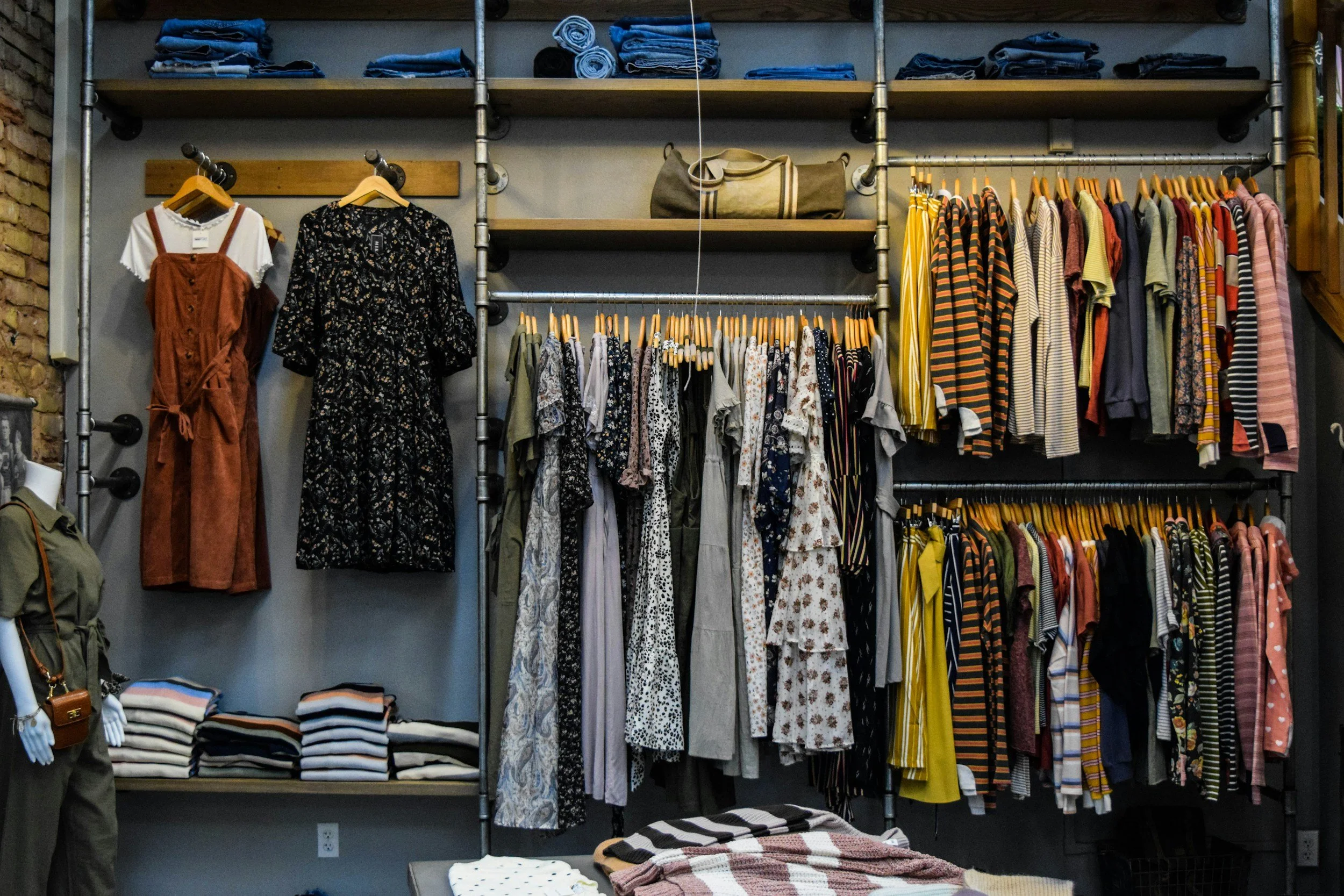
Top Clothing, Garment, and Apparel Manufacturing Countries Guide
If you're looking to manufacture clothing and apparel, choosing the right country for your production is one of the most critical decisions. The global textile and apparel industry is vast, with numerous countries offering unique advantages in terms of cost, quality, expertise, and ethical labor practices. While China remains the largest clothing exporter, several other nations are rising as strong competitors, providing better pricing, labor conditions, and material quality.
Before diving into the top manufacturing countries, it is important to understand the factors that make a country a prime location for apparel production. Key considerations include cost efficiency, labor expertise, infrastructure, raw material availability, and trade agreements. Each element determines a country's ability to provide high-quality and competitively priced garments to global markets.
This guide ranks the top 12 clothing manufacturing countries based on their export value, production capabilities, and industry strengths.
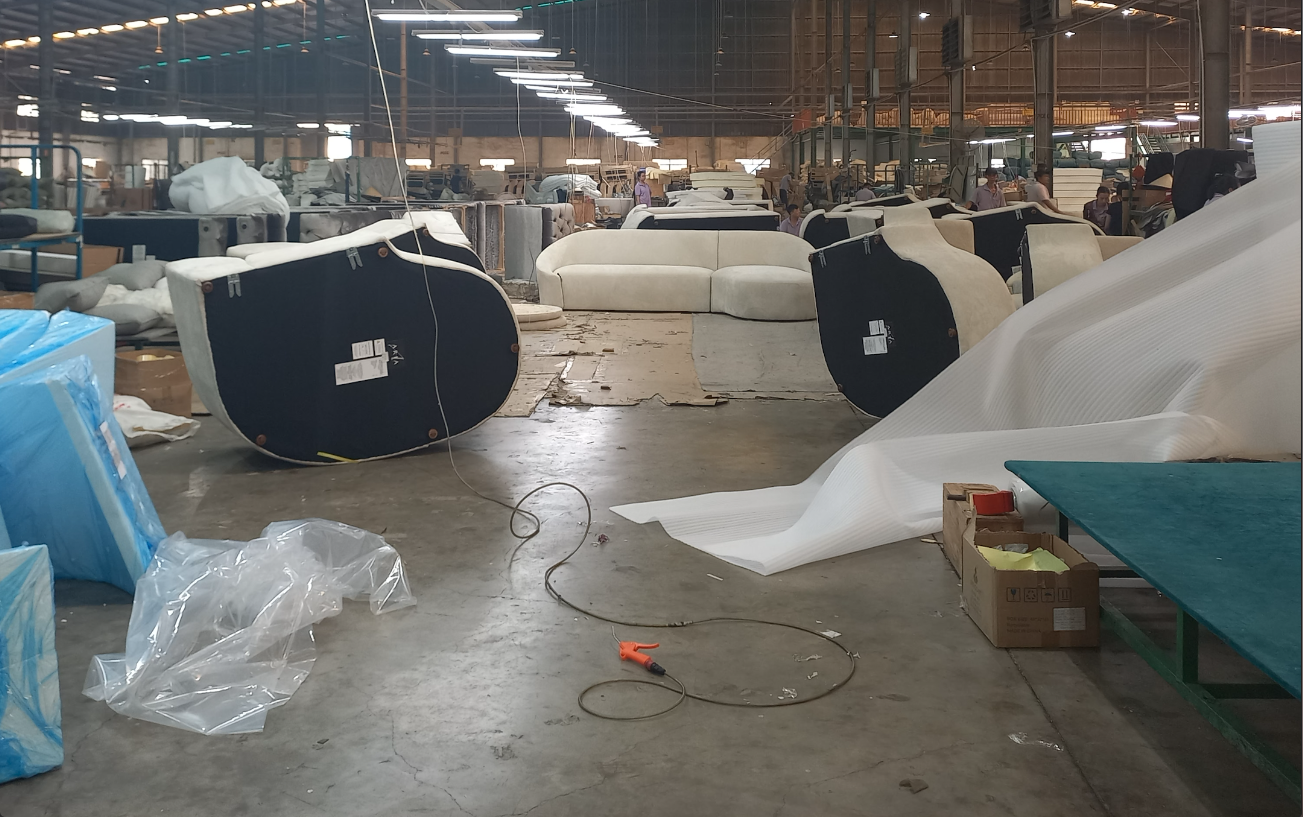
Top Countries for Furniture Manufacturing and Sourcing
China, Vietnam, Indonesia, Poland, Italy, Mexico, Malaysia, Turkey, and Germany are the leading furniture manufacturing countries. Each has distinct strengths in cost, materials, craftsmanship, and market access. The right choice depends on your product type, order volume, target market, and the level of complexity you are willing to manage.
We source furniture from several of these countries at Cosmo Sourcing, so the assessments below reflect what we see on the ground, not desk research.

15 Top Clothing Manufacturers in Mexico: A Sourcing Guide
Mexico is one of the strongest nearshore options for clothing manufacturing if you sell into the US or Canadian market. USMCA-compliant apparel ships duty-free, lead times are measured in days rather than weeks, and many factories accept lower minimums than their Asian counterparts. The country's apparel sector supports over 1.2 million jobs and recently exported roughly $7.3 billion in textiles and garments, with over 90% going to the United States.
This guide covers how to find and evaluate Mexican clothing manufacturers, what types of apparel the country produces best, where the key production hubs are, and how to navigate the current tariff landscape.
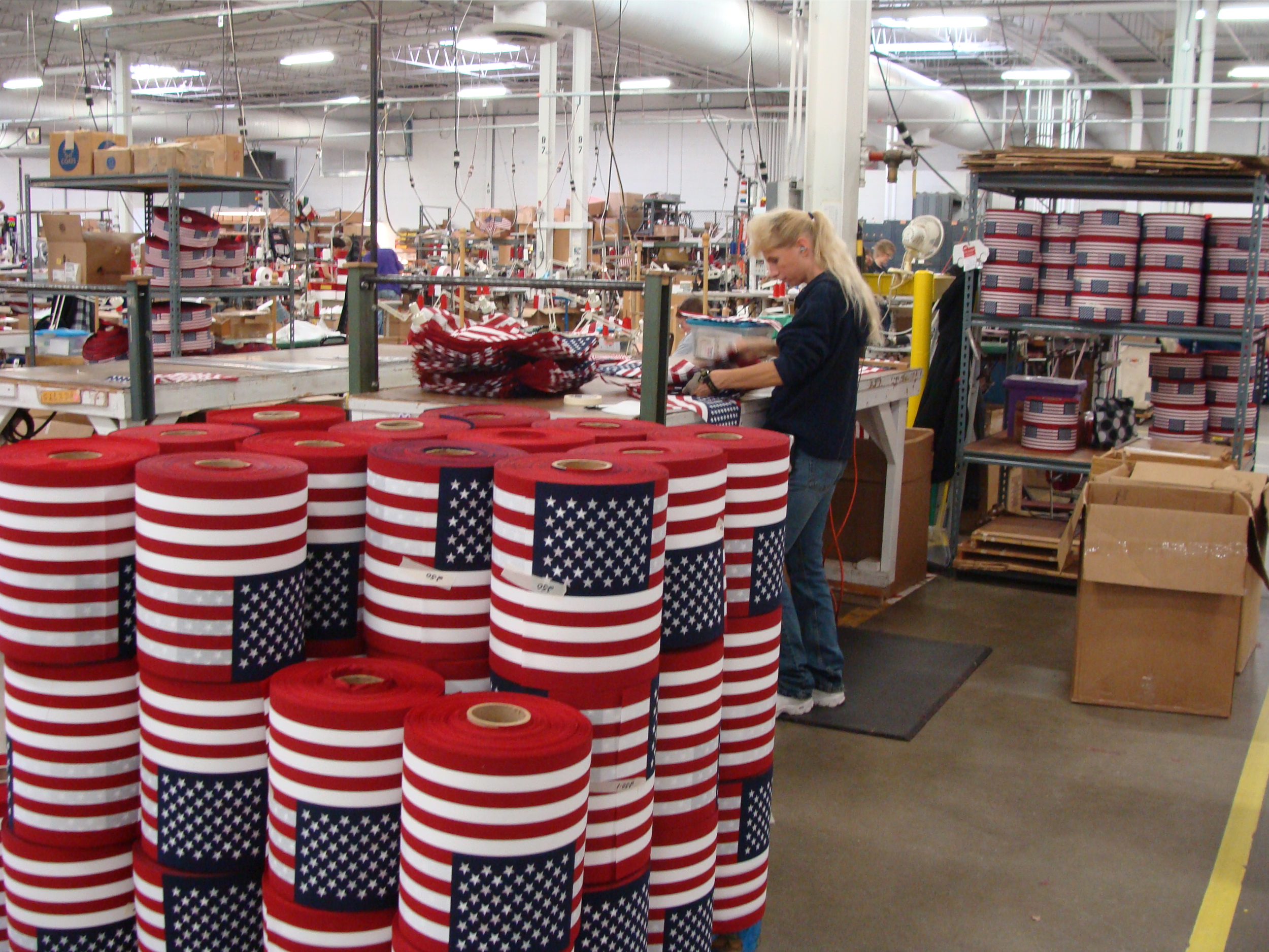
US Manufacturing // What's Made in The USA and When to Source Overseas
The US manufactures high-value products well: medical devices, aerospace components, custom electronics, and premium furniture. For most consumer goods, though, domestic production costs 2x to 5x more than manufacturing in Vietnam or Mexico with longer lead times for scaling. If you're researching US manufacturing for your product, the real question isn't what can be made here. It's whether domestic production makes financial sense for your specific product, volume, and market.
This guide breaks down the product categories where US manufacturing holds a genuine advantage, the categories where sourcing overseas is the better call, and how to evaluate the decision for your business.
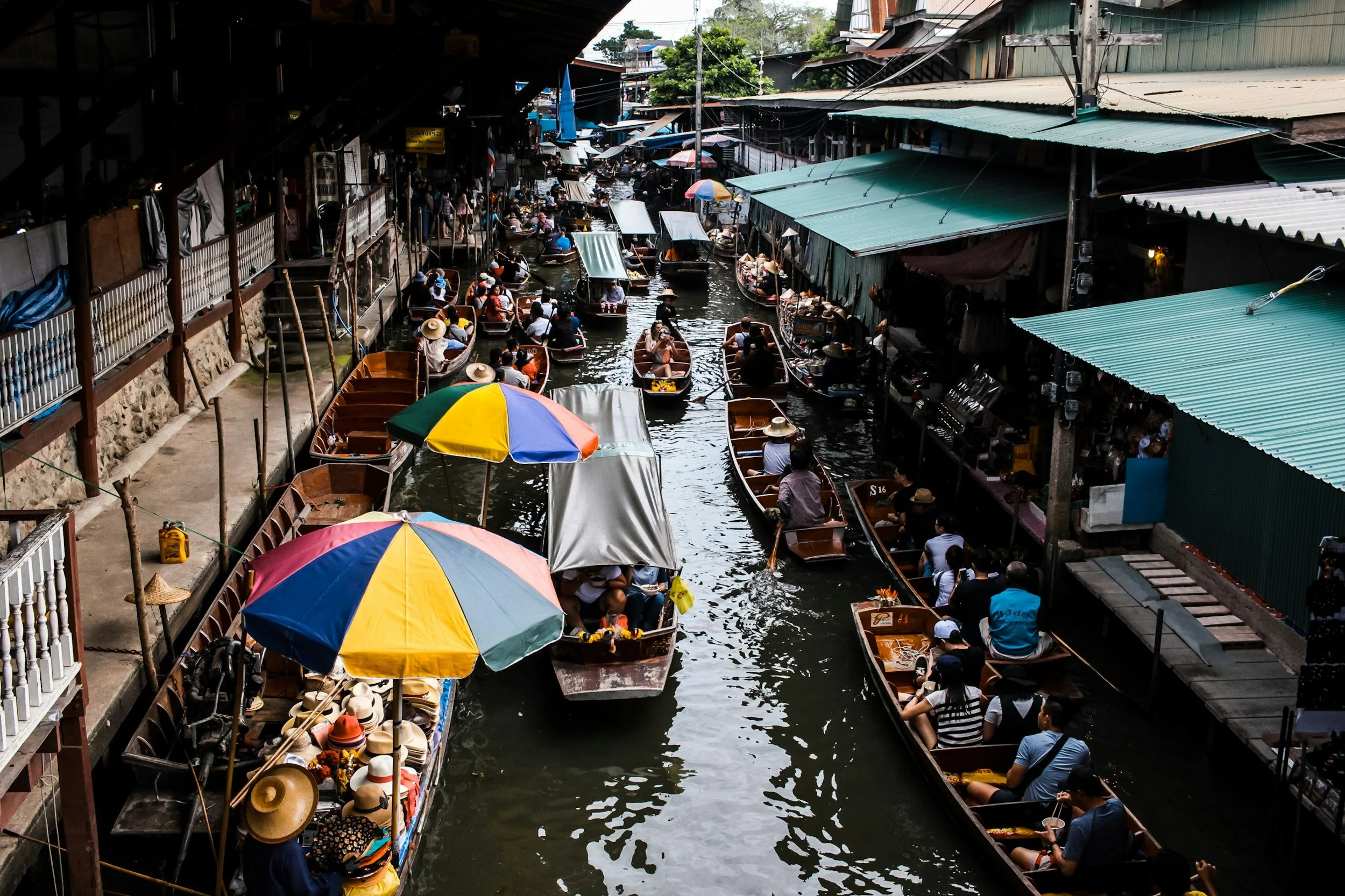
Thailand Alibaba Alternatives: Sourcing Platforms, Directories, and What Actually Works
The best Alibaba alternatives for sourcing from Thailand include ThaiTrade.com (the government-backed B2B marketplace), Global Sources, and Thailand's Department of International Trade Promotion (DITP). But online platforms only get you part of the way. For most buyers, the real challenge is not finding a website with Thai suppliers listed on it. It is finding the right factory for your specific product and verifying they can actually deliver.
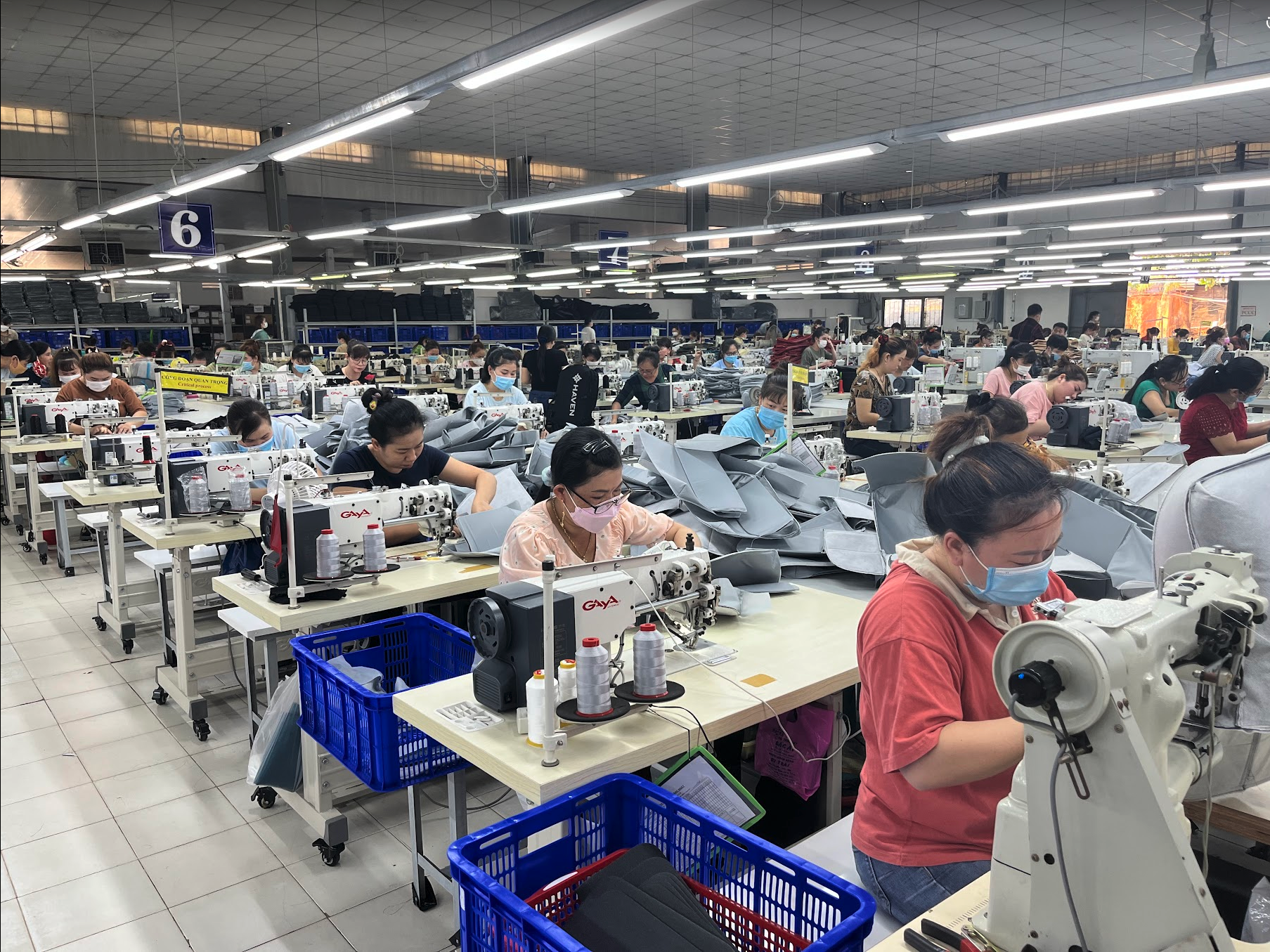
How to Find the Right Manufacturer For your Products (and Avoid the Wrong One)
Bringing a product to market involves more than creativity—it involves finding the right manufacturing partner to turn your idea into a reality. Whether you're producing consumer electronics, apparel, or beauty products, the quality of your manufacturer is crucial to your product’s success. With numerous manufacturers available globally, it can be challenging to identify the best match for your needs. This guide provides clear steps to help you find and evaluate potential partners.
Understanding the difference between manufacturers and suppliers is a key first step. Manufacturers are responsible for producing goods from raw materials, while suppliers often act as distributors. Knowing when to work directly with a manufacturer versus sourcing through a supplier can give you more control over your product, reduce costs, and streamline your production process.

The 25 Best Private Label Products to Source (and How to Launch Your Brand)
Private label products let you sell goods manufactured by someone else under your own brand. It is one of the fastest, most capital-efficient ways to launch a product line because you skip the R&D phase and go straight to branding, sourcing, and selling. This guide covers the 25 most profitable private-label product categories to source, explains how private labeling works, and walks through every step from product selection to the first order.
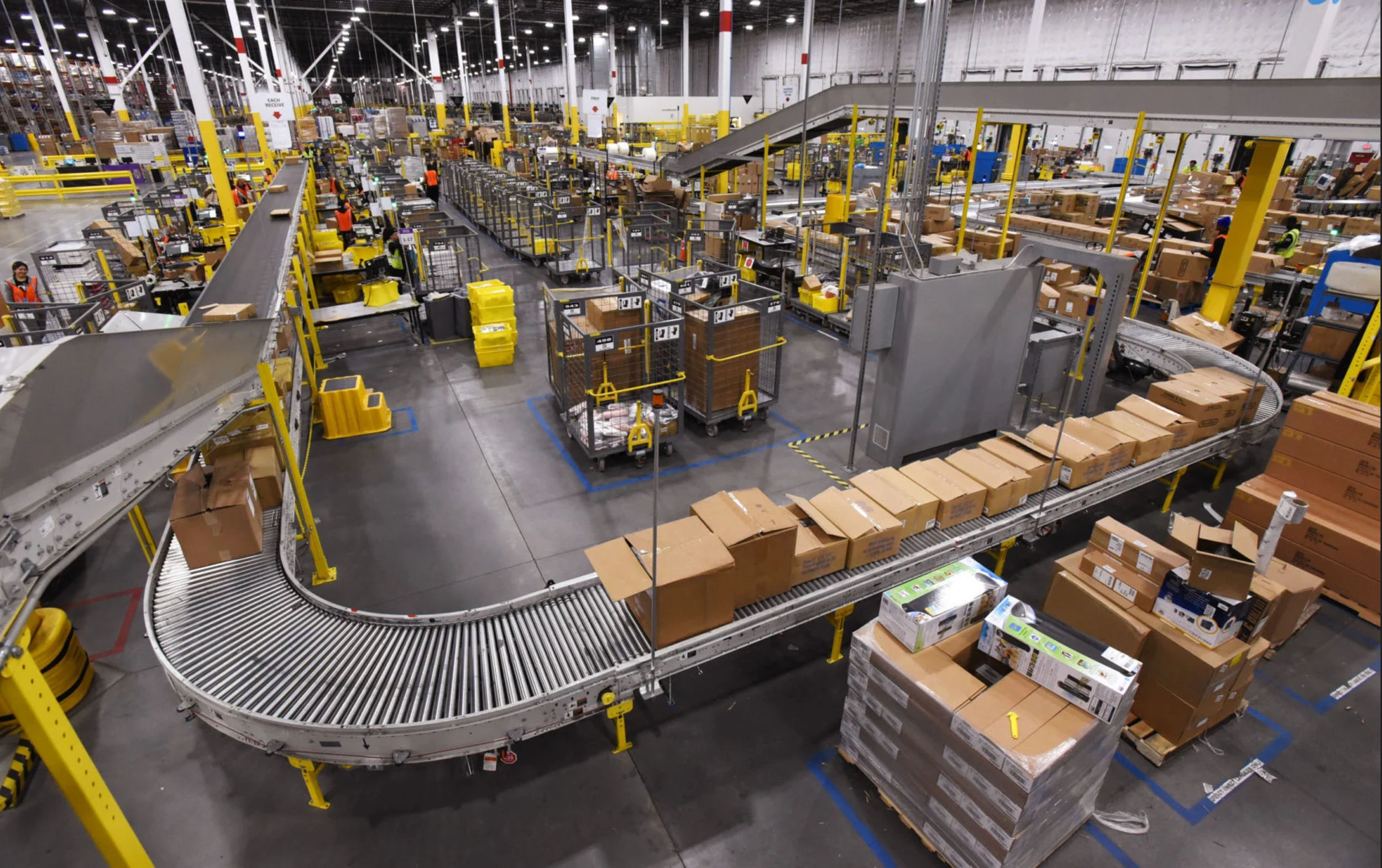
Product Sourcing for Online Sellers: How to Find Suppliers and Manufacturers
Product sourcing—finding the right items to sell and securing reliable suppliers—is one of the most crucial steps for entrepreneurs looking to succeed in e-commerce. Knowing where and how to source products is key to growth and profitability, whether starting or expanding your business.
Maintaining a thriving online business requires a reliable source of products. If you don’t manufacture your items, you’ll need trusted suppliers to meet your quality standards and deliver your customers' desired products.
In this guide, we’ll explore various strategies for sourcing products, how to work with sourcing companies like Cosmo Sourcing, and some of the best countries to source from besides China. We'll also provide tips on ensuring a smooth sourcing process and maintaining supplier relationships. Let’s get started!

Vietnam Home Textile Manufacturers // Supplier List and Sourcing Guide
Vietnam is one of the strongest sourcing destinations for home textiles, with established production capacity across bedding, bath products, curtains, upholstery, kitchen textiles, and outdoor fabrics. The country's textile and garment sector exported $44 billion in 2024, and home textiles represent a growing share of that output, driven by competitive pricing, sustainability certifications, and the production quality that major retailers require.
This guide covers what home textile categories Vietnam produces, where production is concentrated, how to find and vet manufacturers, and when it makes sense to work with a sourcing company.
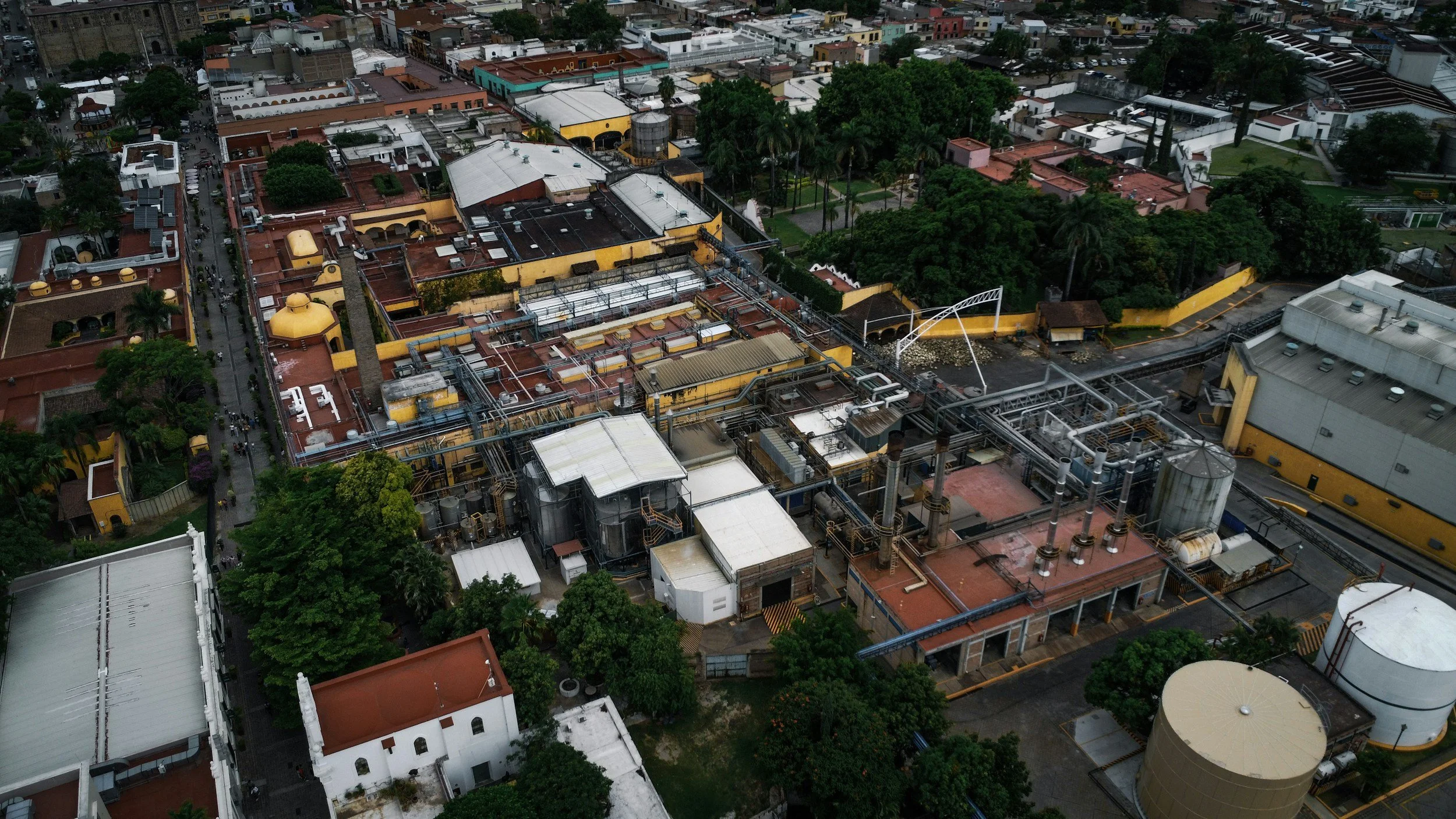
Alibaba Alternatives for Mexico // Platforms That Actually Work
There is no single "Alibaba for Mexico." The best Mexican manufacturers rarely list on international B2B platforms, and the ones that do represent only a fraction of what the country produces. Finding the right factory in Mexico requires a combination of online directories, government databases, trade shows, and on-the-ground sourcing. Here is what actually works, what falls short, and how to navigate the landscape.
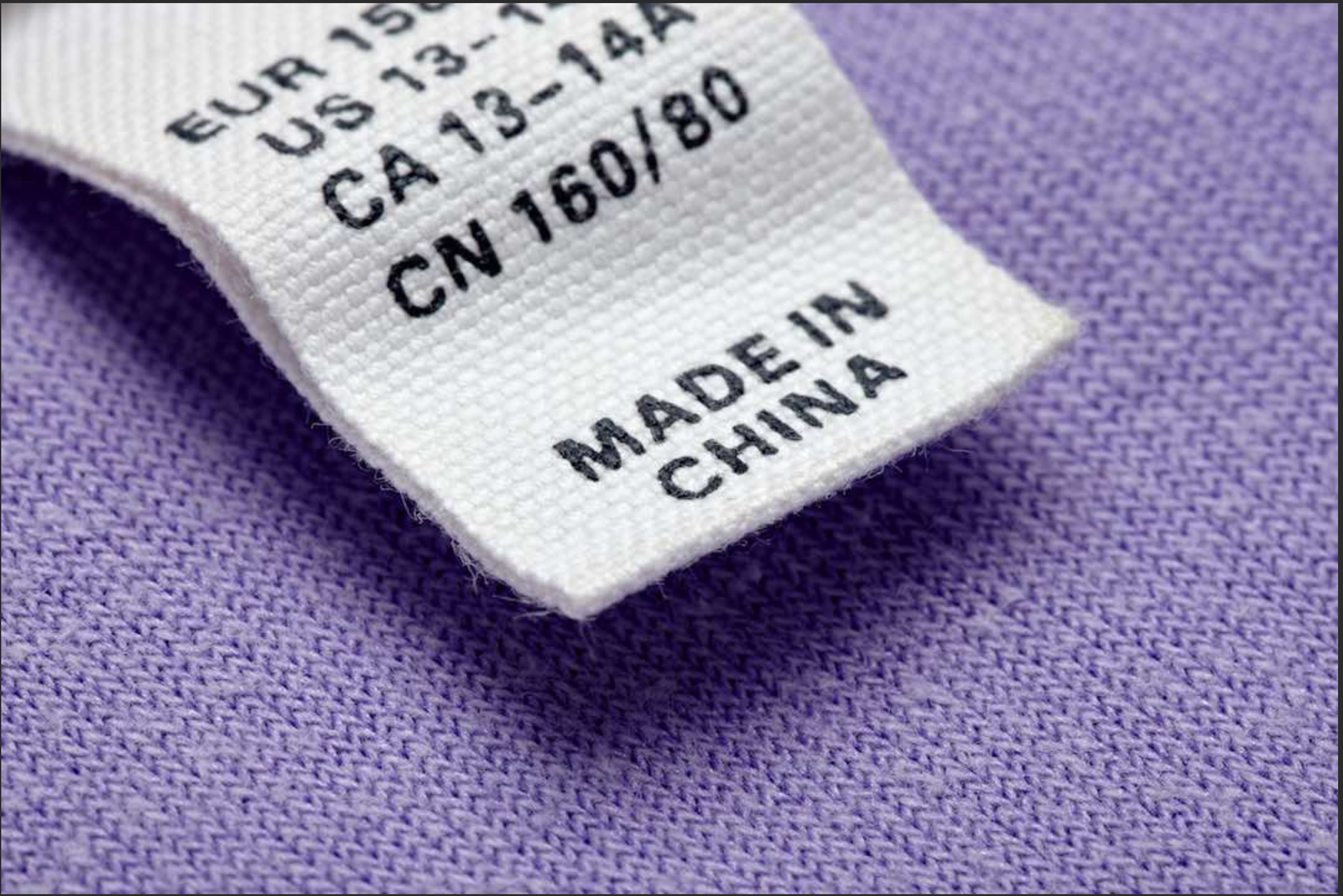
"Made in PRC" vs. "Made in China": Same Country, Different Customs Rules
In international trade, product labels can often create confusion, particularly when new terminology appears. One such term that has become increasingly prevalent is "Made in PRC," which is now used alongside the more familiar "Made in China." This shift might seem small, but it raises an important question: What exactly does "Made in PRC" mean, and how could it impact your import strategy?
This guide will clarify the meaning of "Made in PRC," examine its implications, and provide practical solutions to ensure a seamless import process.

What Eco-Friendly Products Can You Actually Source from Vietnam?
Vietnam is one of the strongest sourcing destinations for eco-friendly products, with proven manufacturing capacity across natural fiber goods, organic textiles, biodegradable packaging, and more. The country's combination of abundant raw materials, established craft traditions, and growing investment in sustainability certifications makes it a practical option for buyers who need eco-friendly products at commercial scale.
Where Does Nike Make Shoes and Apparel?
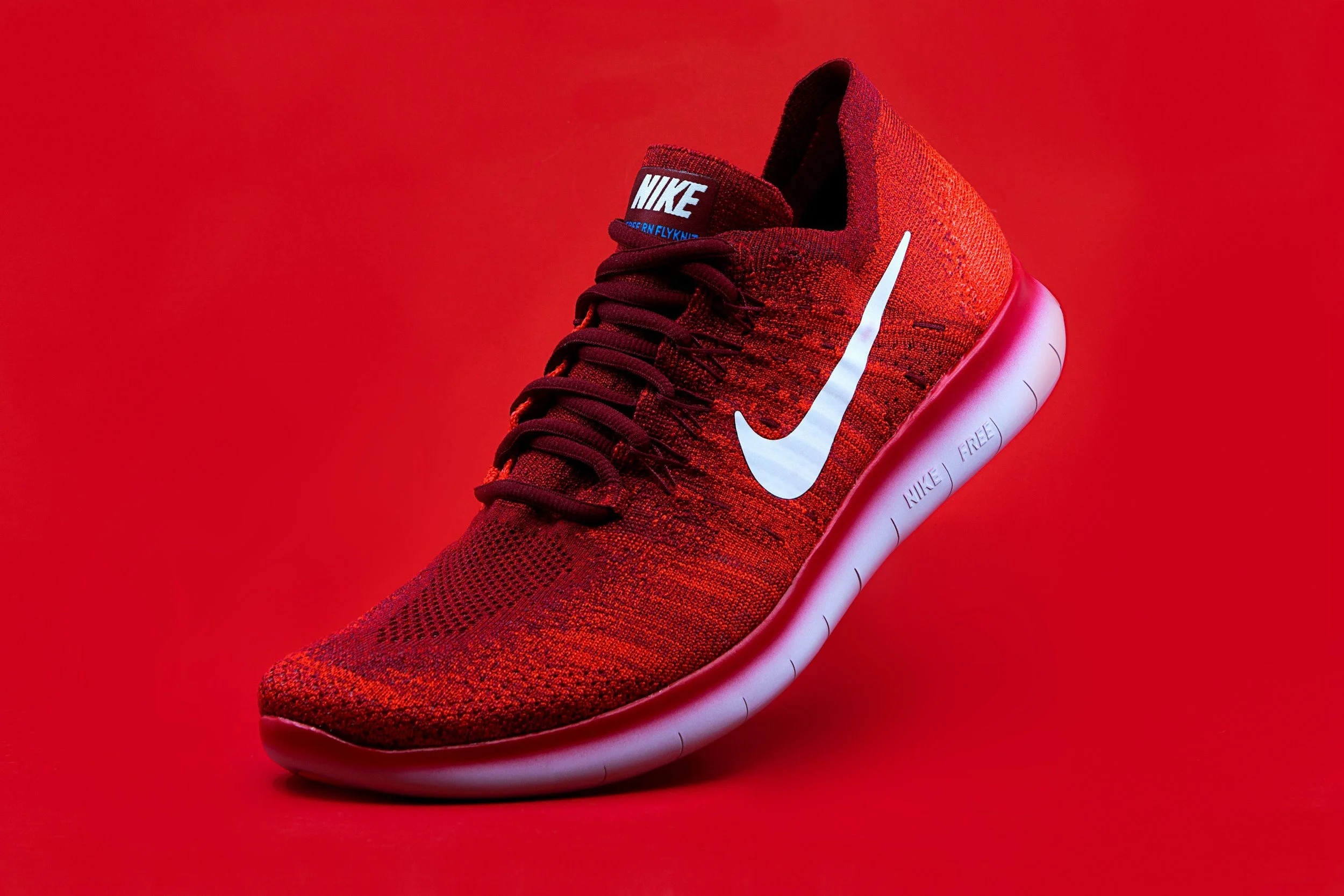
Have you ever wondered where the impressive 780 million pairs of Nike shoes produced each year come from? You're about to find out! As a business owner looking for top-quality manufacturers, understanding how a global giant like Nike operates can give you valuable insights to apply to your business.
Fun Fact: Nike's manufacturing network spans 42 countries and employs over 1 million workers worldwide. This extensive reach allows Nike to meet global demand while maintaining high standards of quality and innovation. And that's just the beginning! This article explores Nike's global manufacturing operations and reveals the premium materials that make their sneakers famous worldwide. With this information, you'll be ready to navigate the world of shoe manufacturing for your own business.
Top 8 Lighting Manufacturers in China: How to Find and Vet the Right Factory
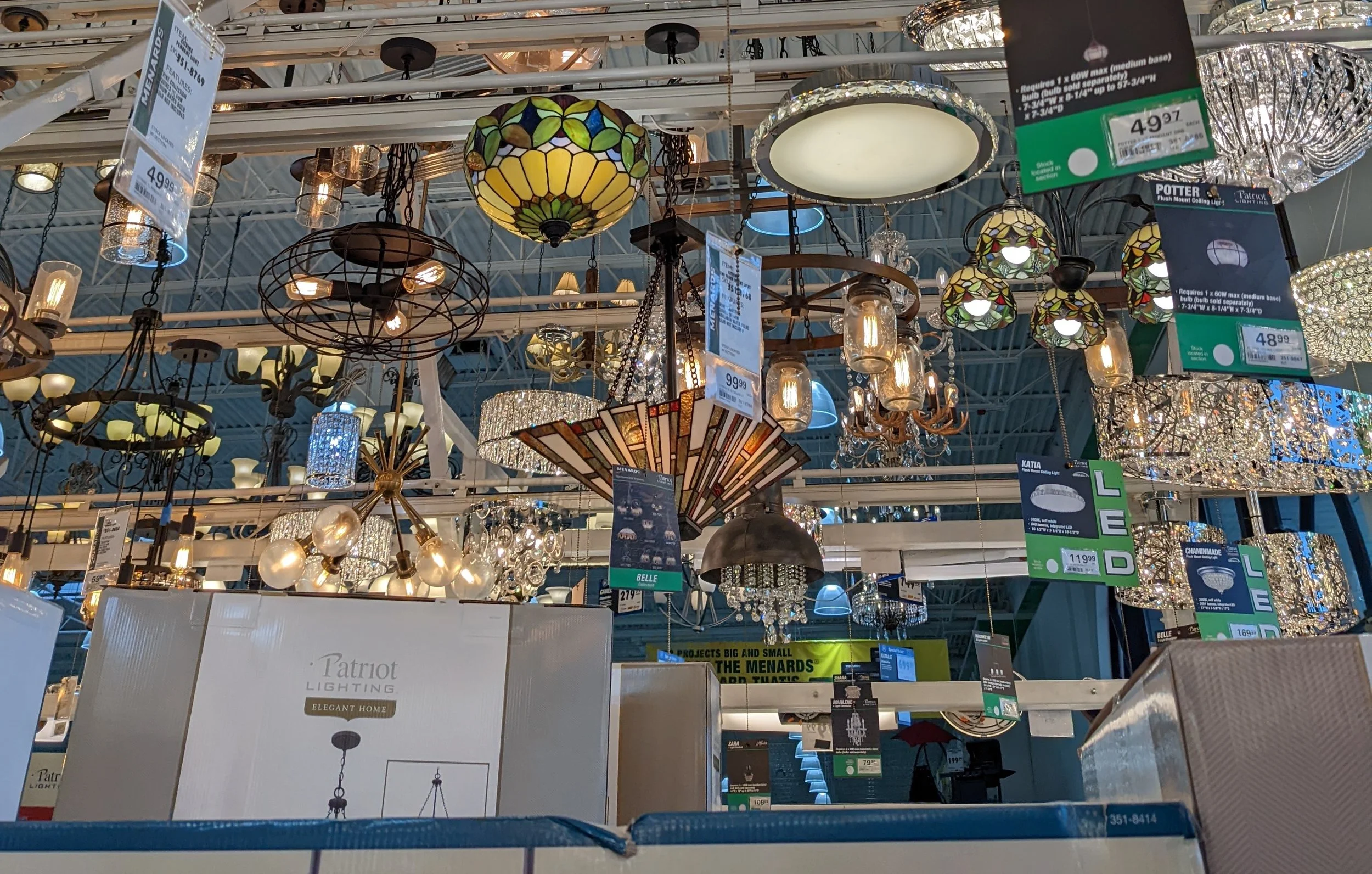
China produces roughly 70% of the world's lighting products, and most of the factories behind that output are concentrated in a handful of industrial clusters in Guangdong, Zhejiang, Jiangsu, and Fujian provinces. If you are sourcing lighting fixtures, LED products, or decorative lighting, China is almost certainly on your shortlist. The challenge is not whether China can make your product. It is finding the right factory among thousands that claim they can.
This guide covers China's major lighting manufacturing hubs, notable manufacturers worth knowing, and the practical steps for finding and vetting a lighting supplier. We have helped thousands of clients source over 10,000 products from Asia, including lighting and electronics projects that overlap with LED manufacturing. The advice here reflects what we have seen work in practice, not just what looks good on paper.
However, navigating the landscape of Chinese manufacturers can be challenging. With thousands of suppliers offering varying quality levels, finding the right partner who meets your exact specifications, adheres to international standards, and delivers consistent quality is essential. From residential lighting fixtures to large-scale commercial lighting systems, the key to success is selecting reliable manufacturers who meet your unique needs.