Where Does Nike Make Shoes and Apparel?
Nike manufactures approximately 51% of its footwear in Vietnam, 28% in Indonesia, and 17% in China, according to its fiscal year 2025 annual report (ending May 2025). The company does not own any factories. Instead, it contracts with 15 independent footwear manufacturers operating 97 factories across 11 countries, and 67 apparel manufacturers operating 303 factories across 34 countries.
For anyone researching footwear or apparel sourcing, Nike's manufacturing network is essentially a masterclass in how global supply chains work. At Cosmo Sourcing, we've helped over 4,000 clients source products from many of the same countries and factory clusters Nike uses. Here's a full breakdown of where Nike makes its products, why, and what it means if you're looking to source footwear or apparel yourself.
Updated Feb 17, 2026
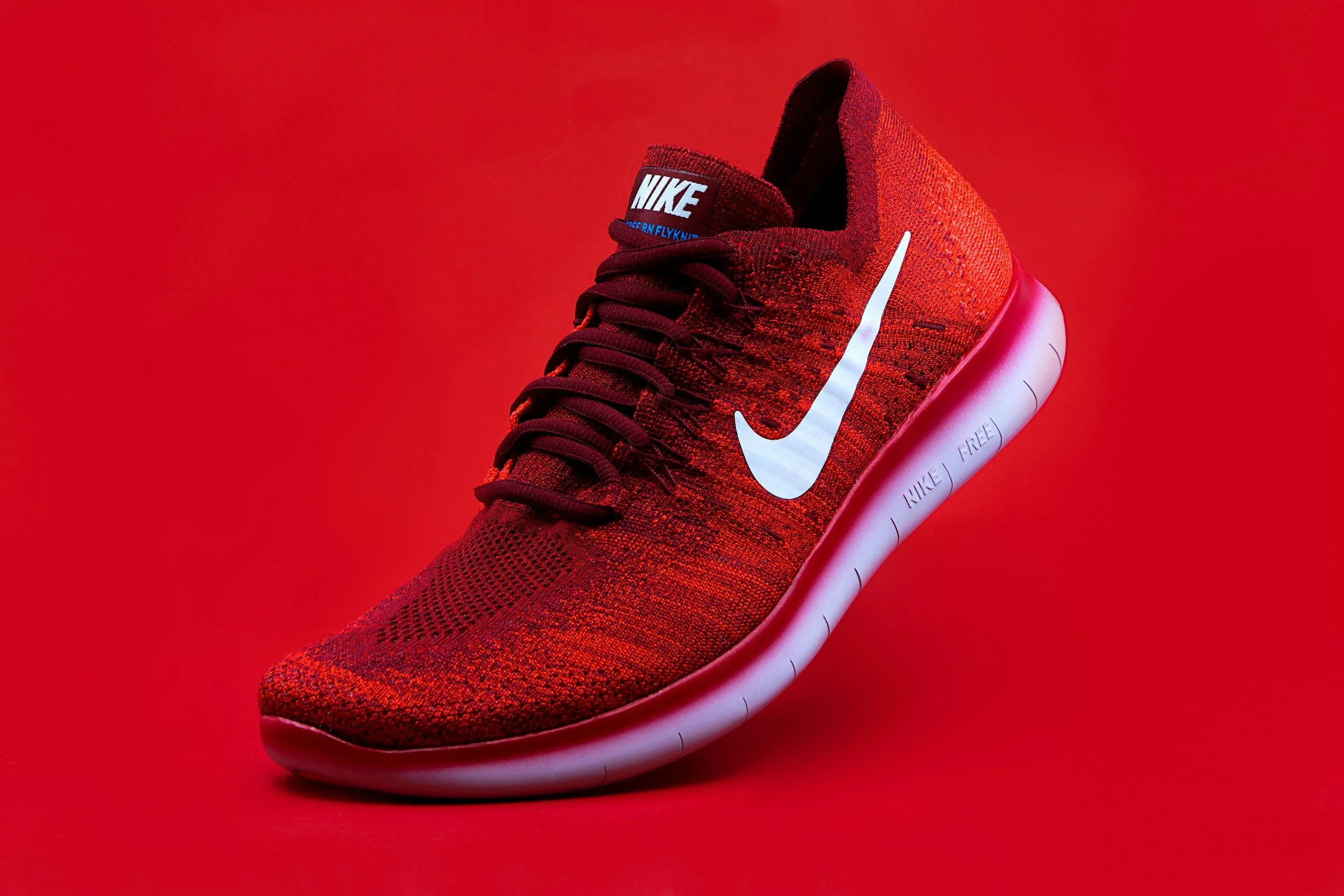
Nike's Footwear Manufacturing by Country
Nike discloses its manufacturing data in its SEC filings every year. Here's how production has shifted over the past three fiscal years:
| Country | FY2023 | FY2024 | FY2025 |
|---|---|---|---|
| Vietnam | 50% | 50% | 51% |
| Indonesia | 27% | 27% | 28% |
| China | 18% | 18% | 17% |
| Other countries | 5% | 5% | 4% |
Source: Nike 10-K filings (SEC), fiscal years ending May 31
The trend is clear: Vietnam continues to gain share, Indonesia is growing, and China is slowly declining. This mirrors what we see across the broader footwear industry, not just Nike.
Vietnam: Nike's Largest Manufacturing Hub
Vietnam produces more than half of all Nike shoes. The company operates over 40 footwear factories there, concentrated in southern Vietnam around Ho Chi Minh City, Dong Nai, and Binh Duong provinces. These facilities employ hundreds of thousands of workers.
Why Vietnam dominates Nike's production:
Labor costs: Vietnamese garment and footwear workers earn approximately $230-$320/month depending on the region, significantly lower than coastal China's $500-$700/month range.
Workforce scale: Vietnam's textile and footwear industry employs roughly 2.8 million workers, with deep specialization in athletic footwear construction.
Infrastructure: Southern Vietnam has well-developed port access, industrial zones, and established supply chains for footwear components like rubber, foam, and textiles.
Trade agreements: Vietnam is a member of the CPTPP (Comprehensive and Progressive Agreement for Trans-Pacific Partnership) and has the EU-Vietnam Free Trade Agreement (EVFTA), which lower export costs to multiple major markets.
Nike also manufactures its proprietary Air-Sole cushioning components at a wholly-owned Air Manufacturing Innovation facility in Dong Nai Province, one of only a few production assets Nike actually owns.
Tariff note: As of August 2025, Vietnamese goods exported to the U.S. face a 20% reciprocal tariff, in addition to standard product-specific duties. This is the result of a U.S.-Vietnam trade agreement that reduced the initially proposed 46% rate. Vietnamese footwear exports to the U.S. dropped roughly 27% in the months immediately following the tariff's implementation.
Indonesia: Growing Its Share
Indonesia is Nike's second-largest footwear producer, accounting for 28% of output. Production is concentrated on Java Island, particularly around Jakarta and Surabaya, where large-scale footwear factories specialize in both performance and lifestyle sneakers.
Indonesia offers competitive labor costs comparable to Vietnam, strong government incentives for foreign manufacturing investment, and a large workforce with established footwear production experience. Indonesia's reciprocal tariff rate with the U.S. is currently 19%, slightly below Vietnam's rate, which has made it increasingly attractive for brands diversifying their sourcing.
China: Still Significant, But Declining
China once produced over 60% of Nike's global footwear. That number has dropped to 17% as of fiscal 2025. Nike's Chinese factories are primarily located in Guangdong, Fujian, and Jiangsu provinces, which remain hubs for advanced and technically complex footwear manufacturing.
China retains several advantages: cutting-edge manufacturing technology, the most experienced large-scale workforce in footwear, robust domestic supply chains, and the ability to handle complex, high-specification products. However, rising labor costs, geopolitical uncertainty, and significantly higher U.S. tariffs (cumulative rates above 50% on many product categories as of early 2026) have accelerated the shift away from China-centric production.
In our experience sourcing from both countries, we've watched this shift happen in real time since 2012. Many mid-size brands that used to source exclusively from China now split production between Vietnam and Indonesia, using China primarily for technically complex items or products destined for Asian markets.
Other Manufacturing Countries
The remaining 4% of Nike footwear production is spread across countries including India, Thailand, Brazil, and others. These smaller operations help Nike diversify supply chain risk and serve regional markets. India, in particular, is an emerging footwear manufacturing hub with growing capacity.
Nike's Apparel Manufacturing by Country
Nike's apparel production is far more geographically diverse than footwear. In fiscal 2024, 67 contract manufacturers operated 303 apparel factories across 34 countries. The top three:
| Country | Apparel Share (FY2024) |
|---|---|
| Vietnam | 28% |
| China | 16% |
| Cambodia | 15% |
Source: Nike FY2024 10-K (SEC filing, May 31, 2024)
The remaining production is distributed across countries including Indonesia, Thailand, India, Pakistan, Sri Lanka, Bangladesh, and others. Apparel manufacturing requires less specialized equipment than footwear, so it's easier for Nike to spread production across more locations.
Cambodia has emerged as a particularly important apparel source, accounting for 15% of Nike's total. However, its 49% proposed reciprocal tariff rate (one of the highest announced) creates uncertainty for U.S.-bound production.
Why Nike Doesn't Own Its Factories
A detail that surprises many people: Nike does not own a single production facility (aside from its Air Manufacturing Innovation subsidiary that makes cushioning components). Every Nike shoe and garment is made by independent contract manufacturers.
This asset-light model gives Nike several advantages. It reduces fixed capital costs, allows rapid scaling up or down based on demand, shifts operational risk to manufacturing partners, and provides the flexibility to move production between countries as trade conditions change. Nike estimates this approach saves approximately $0.15 per unit compared to in-house production, which adds up to significant savings across the 900+ million units it ships annually.
After sourcing more than 10,000 products for clients across Southeast Asia, we can confirm this contract manufacturing model is not unique to Nike. It's how the vast majority of global brands operate, and it's the same model available to businesses of any size.
How U.S. Tariffs Are Reshaping Nike's Supply Chain
The 2025 U.S. reciprocal tariff policy has created significant cost pressure across Nike's manufacturing network:
Vietnam (51% of footwear): 20% reciprocal tariff, plus standard product duties. Total landed costs on footwear from Vietnam can reach 30-40% depending on the product classification.
Indonesia (28% of footwear): 19% reciprocal tariff, marginally lower than Vietnam.
China (17% of footwear): Cumulative tariff rates exceeding 50% on many categories, including stacked reciprocal and pre-existing duties.
Cambodia (15% of apparel): 49% proposed reciprocal tariff, one of the highest rates announced.
Nike has responded by raising prices on select footwear by $2-$10 depending on price tier (while keeping kids' products and Jordan brand pricing stable). The broader industry expects continued supply chain diversification, with India, the Philippines, and Bangladesh likely to gain manufacturing share over the next several years.
For businesses sourcing footwear or apparel for the U.S. market, understanding these tariff dynamics is critical. The country you source from can dramatically impact your landed cost and, ultimately, your margin.
What Brands Can Learn from Nike's Sourcing Strategy
Nike's manufacturing approach offers practical lessons for any business sourcing products internationally:
Diversify across countries. Nike doesn't rely on any single country for more than 51% of production, and no single factory produces more than 11% of output. This protects against supply chain disruptions, whether from trade policy changes, natural disasters, or political instability.
Match the product to the country's strengths. Nike uses Vietnam for high-volume athletic footwear, China for technically complex products, Indonesia for lifestyle sneakers, and spreads apparel across dozens of countries. Each manufacturing hub has specific capabilities that suit different product types.
Keep the supply chain flexible. By using contract manufacturers rather than owned facilities, Nike can shift production relatively quickly when conditions change. This flexibility is available to businesses of any size.
Invest in quality control. Nike enforces a strict Code of Conduct across all suppliers, conducts regular factory audits, and publishes its manufacturing map publicly. Regardless of where you source, having robust quality assurance processes is non-negotiable.
Sources: Nike FY2025 10-K (SEC filing, May 31, 2025), Nike FY2024 10-K (SEC filing, May 31, 2024), Nike Manufacturing Map (manufacturingmap.nikeinc.com), U.S. reciprocal tariff rates as of August 2025.
Source Footwear and Apparel from Nike's Manufacturing Countries with Cosmo Sourcing
If you're looking to manufacture shoes, apparel, or other products in the same countries Nike uses, the process starts with identifying the right factories. Vietnam and China are the two most common starting points for businesses sourcing footwear and apparel, and both offer deep manufacturing ecosystems.
The challenge is vetting manufacturers, negotiating terms, managing quality, and navigating increasingly complex trade regulations. This is especially true in Vietnam, where the factory landscape is large but can be difficult to navigate without local contacts and language capability.
At Cosmo Sourcing, we've been helping businesses source products from Vietnam and across Asia since 2012. With teams on the ground in Ho Chi Minh City and over 4,000 clients served, we handle factory identification, supplier vetting, quality control, and shipping logistics.
Unlike commission-based sourcing agents, we work on a flat-fee pricing model, so our incentive is always to find you the best factory at the best price, not to mark up the product cost.
If you're exploring footwear or apparel manufacturing in Vietnam, China, Indonesia, or elsewhere, reach out at info@cosmosourcing.com or visit cosmosourcing.com/contact-us to get started.