The 25 Best Private Label Products to Source (and How to Launch Your Brand)
Private label products let you sell goods manufactured by someone else under your own brand. It is one of the fastest, most capital-efficient ways to launch a product line because you skip the R&D phase and go straight to branding, sourcing, and selling. This guide covers the 25 most profitable private-label product categories to source, explains how private labeling works, and walks through every step from product selection to the first order.
Updated Feb 18, 2026
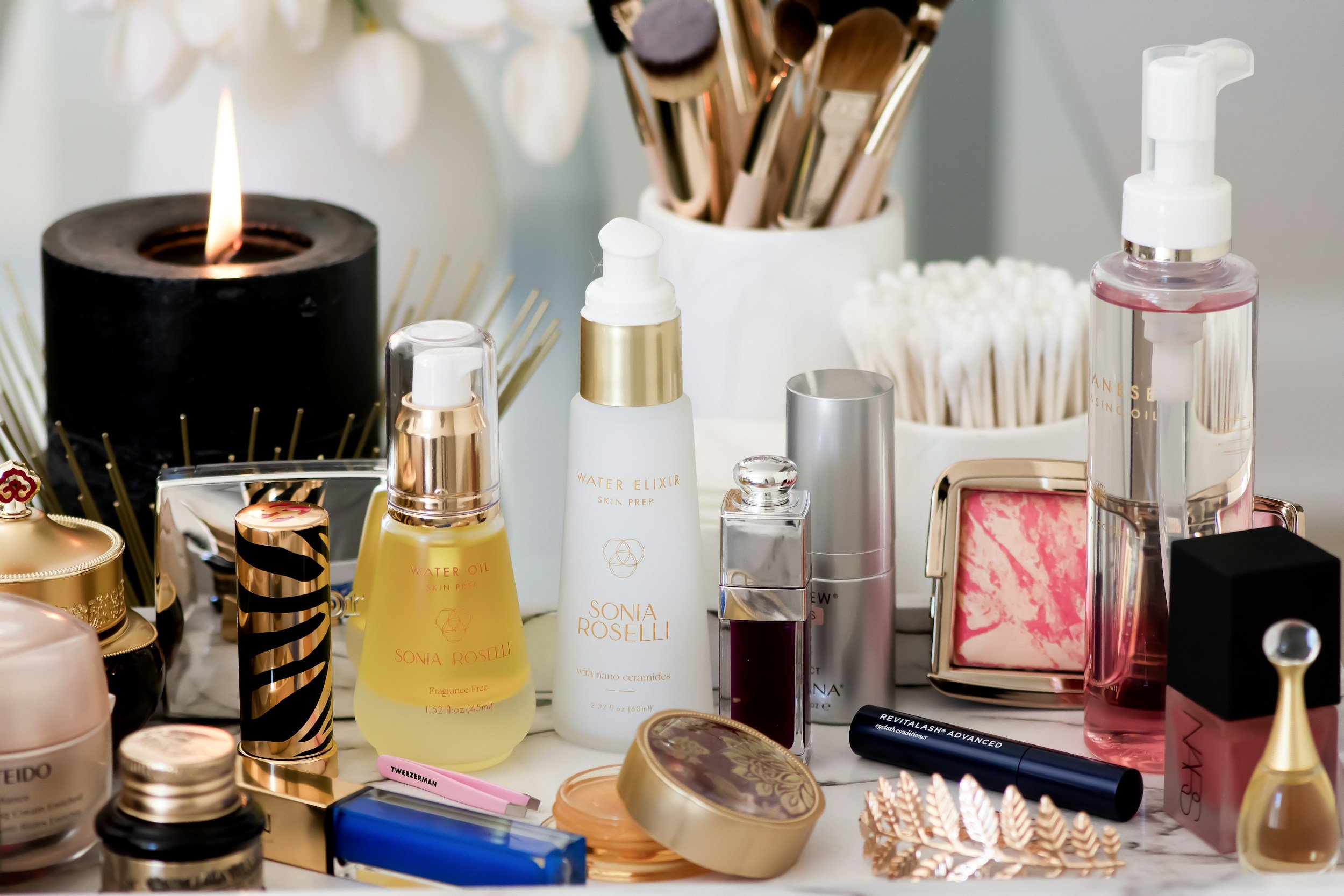
What Is Private Labeling?
Private labeling is when a manufacturer produces goods to your specifications and you sell them under your own brand name. You own the branding, packaging, pricing, and customer relationship. The factory handles production.
This is different from white labeling, where a manufacturer sells the same generic product to multiple brands with minimal customization.
| Factor | Private Label | White Label |
|---|---|---|
| Definition | A manufacturer produces goods to your specifications, sold exclusively under your brand | A manufacturer sells the same generic product to multiple brands with minimal changes |
| Product Customization | High. You can modify formulation, materials, design, colors, and features | Low. Typically limited to logo, label, and basic packaging |
| Brand Differentiation | Strong. Your product can be unique to your brand | Weak. Competitors may sell a nearly identical product under a different label |
| Upfront Investment | Higher. Custom tooling, formulation, packaging design, and sampling add cost | Lower. Minimal development cost since the product already exists |
| Minimum Order Quantities | Often higher due to custom production runs | Often lower since the manufacturer produces in bulk for multiple buyers |
| Time to Market | Slower. Product development, sampling, and custom production take time | Faster. Product is ready-made; you add your branding and order |
| Profit Margins | Higher long-term. Unique products support premium pricing | Lower. Identical products across brands create price competition |
| Quality Control | More control. You define specs and can require inspections at each stage | Less control. You receive a finished product with limited ability to change specs |
| Exclusivity | Your product design and specs can be exclusive to your brand | No exclusivity. The same product is available to any brand that orders it |
| Best For | Brands building long-term equity, sellers who want to differentiate, businesses ready to invest in product development | First-time sellers testing a market, businesses that need speed to launch, low-budget entry into a category |
Well-known private label examples include Costco's Kirkland Signature, Target's Up & Up, and Amazon Basics, but the model works at every scale. Small e-commerce sellers, DTC brands, and Amazon FBA businesses use it every day.
If you are new to how sourcing works, private labeling is fundamentally a sourcing exercise: find the right factory, define your product, negotiate terms, manage quality, and ship.
The 25 Best Private Label Products to Source
The best private label products have consistent demand, reasonable margins after landed cost, manageable shipping weight, and room for brand differentiation. Below are 25 categories organized by sector.
Health and Wellness
1. Dietary supplements. Vitamins, probiotics, and herbal supplements are one of the highest-margin private label categories. FDA and GMP compliance requirements create a barrier to entry that protects established sellers. MOQs typically start at 500 to 1,000 units.
2. Protein powders. Plant-based and organic protein powders see strong demand. Customization options include flavor, protein source, and packaging format. Formulation and testing costs add to the upfront investment but margins are strong.
3. Essential oils. High perceived value relative to production cost. Differentiate through single-origin sourcing, proprietary blends, or distinctive packaging.
4. Herbal teas. Functional teas (sleep, digestion, immunity) allow for creative branding at relatively low MOQs. Packaging is the primary differentiator.
Beauty and Personal Care
5. Skincare products. Moisturizers, serums, and cleansers are popular entry points. Consumers respond to ingredient-led branding (vitamin C, hyaluronic acid, retinol). Contract manufacturers that handle formulation simplify the process, but you still need cosmetic compliance in your target market.
6. Hair care. Shampoos, conditioners, and hair oils targeting specific needs (curly hair, color-treated, thinning) allow for niche positioning.
7. Lip balms and cosmetics. Low per-unit cost and small form factor make lip balms an accessible first product. Broader cosmetics carry higher margins but need more formulation investment.
8. Beard care. Oils, balms, and grooming kits serve a loyal, repeat-purchase customer base. Many contract manufacturers offer turnkey formulation and filling.
Home and Kitchen
9. Candles. Branding, fragrance, and vessel design drive the purchase decision more than the manufacturer behind the product. Soy and beeswax options appeal to eco-conscious buyers.
10. Bamboo kitchenware. Cutting boards, utensil sets, and storage containers. Vietnam is a particularly strong sourcing origin for bamboo products due to abundant raw material and established manufacturing capability.
11. Reusable household products. Beeswax wraps, silicone food covers, reusable bags, and stainless steel straws. Lightweight, easy to ship, and well-suited to branded multipacks.
12. Bedding and towels. Sheets, duvet covers, and bath towels are high-demand, repeat-purchase products. Quality differentiation (thread count, material, weave) supports premium pricing.
Fitness and Outdoors
13. Yoga mats and fitness accessories. Yoga mats, resistance bands, and foam rollers have steady demand with low production complexity and multiple customization options.
14. Water bottles and shakers. Insulated stainless steel bottles and protein shakers are functional products with strong branding potential through logo placement, color, and capacity options.
15. Activewear. Leggings, sports bras, and workout shorts are popular when marketed through social media. Fabric quality and fit are critical. MOQs for custom apparel tend to be higher than for accessories.
Pet Products
16. Pet treats. The pet industry is recession-resistant. Private label treats (dental chews, training treats, organic options) offer good margins. Regulatory compliance is essential.
17. Pet accessories. Collars, leashes, beds, toys, and grooming tools. Pet owners spend willingly on quality and design.
Fashion and Accessories
18. Sunglasses. High perceived value relative to production cost. Frame design, lens quality, and packaging define the brand. Blue light glasses are a growing sub-niche.
19. Bags and backpacks. Totes, laptop backpacks, gym bags, and travel organizers are practical products with strong branding surfaces.
20. Jewelry. Minimalist fashion jewelry allows for creative design at low per-unit cost. Sterling silver and stainless steel are popular base materials.
Baby and Kids
21. Baby care products. Lotions, shampoos, diaper creams, and wipes. Parents prioritize ingredient safety, so certifications and clean formulations are a competitive advantage.
22. Children's tableware. Silicone plates, bowls, bibs, and utensil sets. Safety certifications (CPSC, BPA-free) are essential.
Tech Accessories
23. Phone cases and accessories. Phone cases, screen protectors, charging cables, and stands. Margins per unit are thinner but demand is consistent.
24. Laptop and tablet accessories. Sleeves, stands, and keyboard covers serve both B2C and B2B markets. Lightweight and easy to customize.
Stationery and Office
25. Journals and planners. Notebooks and planners are popular among productivity and wellness audiences. Cover design and paper quality are the primary differentiators, and short-run manufacturing makes entry accessible.
How to Choose the Right Product
Before committing to a product, evaluate it against these criteria:
Demand. Use Google Trends, Amazon Best Sellers, and keyword research tools to confirm people are actively buying the product. Steady or rising search volume is a positive signal.
Competition. Categories with many generic offerings and few strong brands present the best opportunities for private label.
Margins. Estimate your full landed cost (manufacturing + shipping + duties + packaging) and compare it against realistic retail pricing. Most successful private label sellers target a 2x to 3x markup from landed cost, which gives roughly 50%+ gross margin before advertising and platform fees.
Logistics. Lightweight, compact products cost less to ship and store. If you sell through Amazon FBA, factor in FBA fees based on size tier and weight.
Compliance. Supplements, cosmetics, food, children's items, and electronics may require certifications, lab testing, or compliance documentation. Research this before sourcing.
Differentiation. If the only difference between your product and competitors is the label on the box, you will compete on price alone. Look for products where packaging, materials, formulation, or bundling create real separation.
How to Start a Private Label Business
Research and Pick a Product
Identify categories that align with your budget and target audience. Look for gaps where existing products are generic, poorly branded, or poorly reviewed. Customer review analysis is one of the most underused research methods: recurring complaints in competitor reviews are your product improvement opportunities.
Find and Vet a Manufacturer
You can source through online platforms like Alibaba and Global Sources, attend trade shows like Canton Fair, or work with a sourcing company that handles the factory search and vetting for you.
When evaluating a manufacturer, verify: business license and export license, production capacity, quality certifications relevant to your product (ISO, GMP, FDA registration), MOQ and pricing at different volume tiers, sample quality, and production lead times.
For a deeper walkthrough of the sourcing process, including how to request quotes, evaluate samples, and negotiate terms, see our product sourcing guide.
Customize, Sample, and Order
Define your branding (packaging design, logo, inserts, bundling) and request physical samples before committing to production. Samples typically cost $50 to $300 depending on complexity. Test the product yourself and compare samples from multiple factories.
For your first run, start with a smaller quantity to test market response. Common payment terms are 30% deposit and 70% before shipment. You can scale up once you have real sales data.
Ship and Launch
Choose between sea freight (cheaper, 25 to 40 days from Asia) and air freight (faster, 5 to 10 days). Factor in import duties, customs brokerage, and last-mile delivery or FBA inbounding. If sourcing from China, current tariff rates should factor into your landed cost.
Launch through Amazon FBA, your own store (Shopify, WooCommerce), other marketplaces, or wholesale channels. Invest in product photography, keyword-optimized listings, and an initial marketing push through PPC, social media, or influencer partnerships.
Source Your Private Label Products From the Right Factory
Cosmo Sourcing connects businesses with vetted manufacturers for private label production in Vietnam, China, Mexico, and across Southeast Asia. Since 2012, we have helped over 4,000 clients source more than 10,000 products. We work on a flat-fee model, not commission, so our incentive is finding you the right factory, not the one paying us the highest margin. We typically deliver 2 to 6 original quotes from vetted factories matched to your product, with full supplier contact details so you own the relationship from day one.
Ready to start your private label sourcing project? Contact us at info@cosmosourcing.com or visit cosmosourcing.com/contact-us.