"Made in PRC" vs. "Made in China": Same Country, Different Customs Rules
"Made in PRC" means "Made in the People's Republic of China." PRC is the official name of China, so "Made in PRC" and "Made in China" refer to the same country, factories, and products. There is no difference in origin, manufacturing standards, or product quality between the two labels. The distinction is purely in wording, but that wording has real implications for importers, particularly around customs compliance.
If you have been sourcing products and noticed "Made in PRC" appearing on labels or packaging, here is what you need to know before your next shipment clears customs.
Updated February 25, 2026
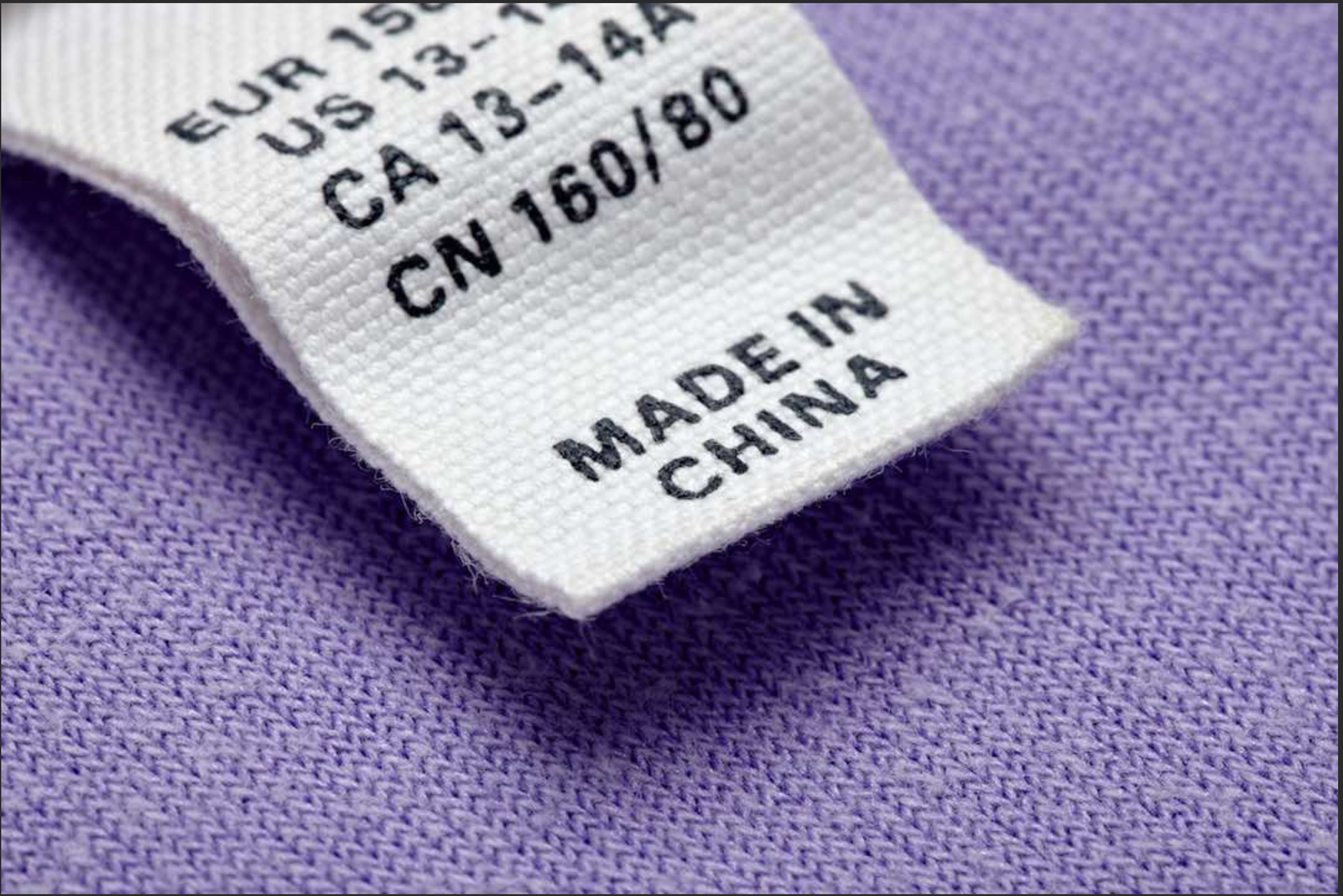
Why Do Manufacturers Label Products "Made in PRC" Instead of "Made in China"?
Chinese manufacturers started using "Made in PRC" more widely around 2013, and the practice has grown since. The reasons are almost entirely marketing-driven.
Consumer Perception
"Made in China" carries associations that some manufacturers want to avoid. Whether fair or not, certain buyers and end consumers associate the label with lower quality. "PRC" is less immediately recognizable, which gives products a chance to be evaluated on their own merits rather than dismissed based on country of origin.
Brand Positioning
Some manufacturers view "People's Republic of China" (or its abbreviation) as sounding more formal or official than simply "China." The intent is to project a more modern, professional image, particularly for products targeting mid-range and premium markets.
Market-Specific Strategy
In certain regions, particularly parts of South and Southeast Asia, anti-China sentiment has led consumers to actively check labels. Using "PRC" instead of "China" makes the origin less obvious to casual buyers. This is a deliberate strategy: as one industry report noted, many consumers do not know what the PRC abbreviation stands for.
The bottom line: the label change is a marketing decision. It does not reflect any difference in the product itself.
Is "Made in PRC" Legal? Labeling Rules by Market
This is where importers need to pay close attention. Whether "Made in PRC" is acceptable on your product labels depends entirely on where you are importing the goods.
United States
U.S. Customs and Border Protection (CBP) does not accept "Made in PRC" as a valid country of origin marking. Under 19 U.S.C. § 1304, every imported article must be marked with the country of origin in a way that is clearly understandable in English to the average American consumer.
CBP has ruled on this multiple times. Ruling HQ 560693 (1998) explicitly stated that "PRC" is an abbreviation not universally recognized by ordinary purchasers. Rulings HQ 562901 (2003) and N335478 reinforced this position. The acceptable markings for Chinese-origin products entering the U.S. are "Made in China," "Product of China," or "Made in P.R. China."
Products arriving at U.S. ports labeled "Made in PRC" can be detained, held for re-labeling, or assessed a 10% ad valorem marking duty on top of any existing duties. If you are importing to the U.S., make sure your supplier uses "China" on the label before the goods ship. Fixing this at the factory costs almost nothing. Fixing it at the port costs real money and time.
European Union
The EU does not have a single harmonized requirement for country of origin marking on most non-food industrial products. In practice, "Made in PRC" is generally tolerated across most EU member states, particularly in B2B contexts. However, if your product falls into regulated categories (food, cosmetics, certain consumer goods), you will need to check the specific rules for your destination country. France and Italy, for example, have pushed for stricter origin labeling on non-EU goods.
Canada, Australia, and Other Markets
Canada requires clear country of origin labeling under its Customs Act, and "China" is the expected term. Australia does not mandate origin labels for all imports, but any label used must be accurate and not misleading. Japan requires origin marking for imports, though enforcement of the specific wording varies. The safest approach for products distributed across multiple markets is to use "Made in China" or "Made in P.R. China" and avoid the issue entirely.
Does "Made in PRC" Mean Better (or Worse) Quality?
No. The label on a product tells you where it was made. It tells you nothing about how well it was made.
I have visited hundreds of factories across China and Vietnam over the past decade, and I can say from firsthand experience that label wording has zero correlation with what you find on the production floor. A factory stamping "Made in PRC" on its products might run a world-class operation with ISO certifications, automated production lines, and rigorous quality control. Another factory using the exact same label might cut corners on materials and skip inspections. The same is true of factories labeling products "Made in China."
Quality comes down to the specific manufacturer you work with: their equipment, processes, workforce training, and quality management systems. The only way to know what you are getting is to vet the factory directly, request samples, and conduct inspections. The label on the box will not tell you any of that.
What Importers Should Actually Focus On
If you have landed on this article because you saw "Made in PRC" on a product or a supplier quote, the label itself is the least important thing to worry about. Here is what actually determines whether your import goes smoothly.
Supplier Vetting
Before you place an order with any manufacturer, verify their business license, production capacity, and track record. Ask for references from existing clients. If possible, visit the factory or have someone visit on your behalf. A sourcing company can handle this process if you do not have people on the ground.
Quality Control
Implement inspections at multiple stages: pre-production (to verify materials), during production (to catch issues early), and pre-shipment (to confirm the finished product meets your specifications). Relying on the factory to self-inspect is one of the most common and costly mistakes importers make.
Labeling Compliance
Make sure your product labeling meets the requirements of your destination market before the goods leave the factory. This includes country of origin marking, but also safety labels, material disclosures, and any product-specific regulatory markings. Getting this wrong leads to customs holds, re-labeling costs, and delays that eat into your margins.
Documentation
Ensure you have proper commercial invoices, packing lists, certificates of origin, and any product-specific compliance documentation. If you are importing to the U.S. and your goods are subject to tariffs, having clean documentation is even more critical.
Why More Importers Are Diversifying Beyond China
If you are researching "Made in PRC" labels, there is a good chance you are already thinking about your broader sourcing strategy. Many of the importers we work with are asking the same question: should I still be sourcing everything from China?
China remains a manufacturing powerhouse with unmatched scale and supply chain depth. For many product categories, it is still the best option. But rising costs, ongoing tariff pressure, and supply chain concentration risk have pushed more companies toward a China+1 strategy, adding a second sourcing country to reduce dependency on any single market.
Vietnam has emerged as the leading alternative for many product categories, particularly apparel, footwear, furniture, and electronics. The country offers competitive labor costs, a growing manufacturing base, and favorable trade agreements that can significantly reduce landed costs compared to Chinese imports (check the latest rates for your specific product and destination, as tariff situations evolve). Mexico is another increasingly popular option, especially for companies selling into the U.S. market where proximity and USMCA benefits create real advantages.
The point is not that China is a bad place to manufacture. It is that smart importers are building flexibility into their supply chains, and understanding where your products come from, whether the label says "China" or "PRC," is part of that bigger picture.
Frequently Asked Questions
Is "Made in PRC" the Same as "Made in China"?
Yes. PRC stands for People's Republic of China, which is the official name of China. Both labels indicate the product was manufactured in the same country. There is no difference in origin, quality standards, or legal meaning between the two.
Can I Sell Products Labeled "Made in PRC" in the United States?
Products entering the U.S. must be labeled "Made in China," "Product of China," or "Made in P.R. China." CBP has repeatedly ruled that "PRC" alone is not acceptable. Products with non-compliant labels can be detained, assessed additional duties, or require re-labeling at the port.
Is "Made in PRC" the Same as "Made in Taiwan"?
No. PRC refers to the People's Republic of China (mainland China). Taiwan is officially the Republic of China (ROC) and uses the label "Made in Taiwan." These are treated as separate origins for customs and trade purposes.
Find the Right Manufacturing Partner with Cosmo Sourcing!
Whether your products are currently made in China or you are exploring alternatives, the label on the box matters less than the partnership behind it. What determines your success as an importer is working with manufacturers who meet your quality standards, pricing targets, and compliance requirements.
Cosmo Sourcing helps businesses find and vet manufacturers across Vietnam, China, and other sourcing destinations. We work on a flat-fee model with full transparency: you get original factory quotes, direct factory introductions, and support through production and shipping. If you are evaluating your sourcing options, reach out to our team to discuss your project.