
COSMO SOURCING BLOG

How To Find Linen Manufacturers in Vietnam // What Type of Linen Goods And Clothing Is Made In Vietnam
Vietnam can produce high-quality linen apparel, home textiles, and accessories at competitive prices, but the country does not grow flax. Every Vietnamese linen manufacturer imports their raw fiber, mostly from France and Belgium, and transforms it into finished goods. That single fact shapes the entire sourcing process, and most buyers I talk to do not realize it until they are already deep into negotiations.
I have been sourcing products from Vietnam since 2014, and linen projects have become increasingly common over the last few years. The demand tracks with what I see in the broader market: more brands want sustainable, natural-fiber products, and Vietnam's textile sector has scaled up to meet that demand. But there is a gap between what people expect when they start searching for "linen manufacturers in Vietnam" and what the process actually looks like on the ground. This guide is my attempt to close that gap.
How To Find Denim Manufacturers In Mexico // What Type Of Jeans Are Made In Mexico?
In the competitive world of fashion and apparel, finding the right manufacturing partner can make or break your brand. Selecting a manufacturer that aligns with your quality standards, production needs, and values is crucial for long-term success in today's demanding market. The decision impacts everything from your product quality to delivery timelines and your brand reputation.
Mexico has emerged as a powerhouse in denim production, offering unique advantages for brands looking to optimize their supply chain without sacrificing quality. With decades of expertise producing premium denim garments for global brands, Mexican manufacturers are an increasingly attractive alternative to Asian sourcing. The combination of skilled craftsmanship, geographical proximity to North American markets, and favorable trade agreements has positioned Mexico as a strategic manufacturing hub.
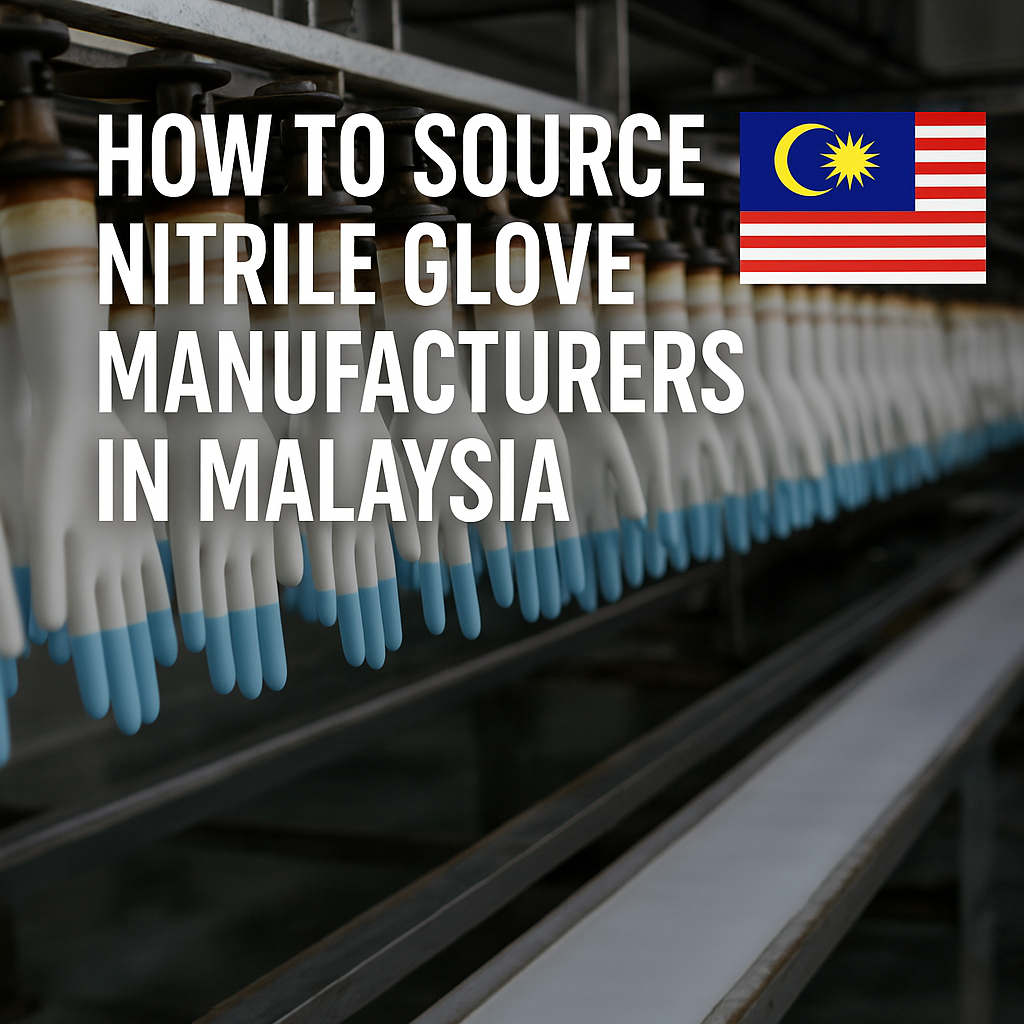
How To Source Nitrile Glove Manufacturers in Malaysia
In today's global marketplace, nitrile gloves have become essential protective equipment across numerous sectors. From healthcare facilities and laboratories to food processing plants and industrial settings, these synthetic rubber gloves offer superior puncture resistance, chemical protection, and allergy-friendly alternatives to latex options. The COVID-19 pandemic dramatically highlighted their critical importance in infection control protocols worldwide, transforming nitrile gloves from specialized medical products into universally recognized safety essentials. This heightened awareness has created sustained demand across both traditional and emerging applications, from healthcare and life sciences to food service, automotive, and chemical industries.
At the center of this critical supply chain stands Malaysia - a nation that has emerged as the undisputed global powerhouse in nitrile glove manufacturing. Malaysian producers currently account for approximately 65% of the world's nitrile glove supply, leveraging decades of expertise in rubber technology, strategic government support, and substantial investments in cutting-edge production facilities. This manufacturing dominance is built upon a foundation of technical innovation, stringent quality control systems, and an intimate understanding of international regulatory requirements across major markets. Malaysian manufacturers have consistently demonstrated their ability to adapt to changing market conditions, maintaining supply chain resilience even during periods of unprecedented global demand.

TOP 8 Philippine PCB Assembly Factories // Sourcing Guide
The Philippines is a legitimate option for PCB assembly, not for high-volume commodity runs, but for mid-volume, quality-critical electronics where precision and communication matter. The country has been producing electronics for export since the 1980s, and several of its manufacturers ship regularly to buyers in the US, Japan, and Europe. If you are evaluating it as a sourcing destination, here is what you actually need to know.
Sourcing Products from Latin America: What's Made Where and How to Find Suppliers
Latin America is a real manufacturing option for buyers looking to diversify beyond Asia, shorten lead times, or take advantage of favorable trade agreements. Mexico leads the region with advanced production capabilities in automotive, electronics, apparel, and medical devices. Colombia, Peru, Brazil, and several Central American countries add depth in textiles, leather goods, furniture, and agricultural products. This guide covers the strongest product categories by country, how to find and vet suppliers, and what to expect when sourcing from the region for the first time.
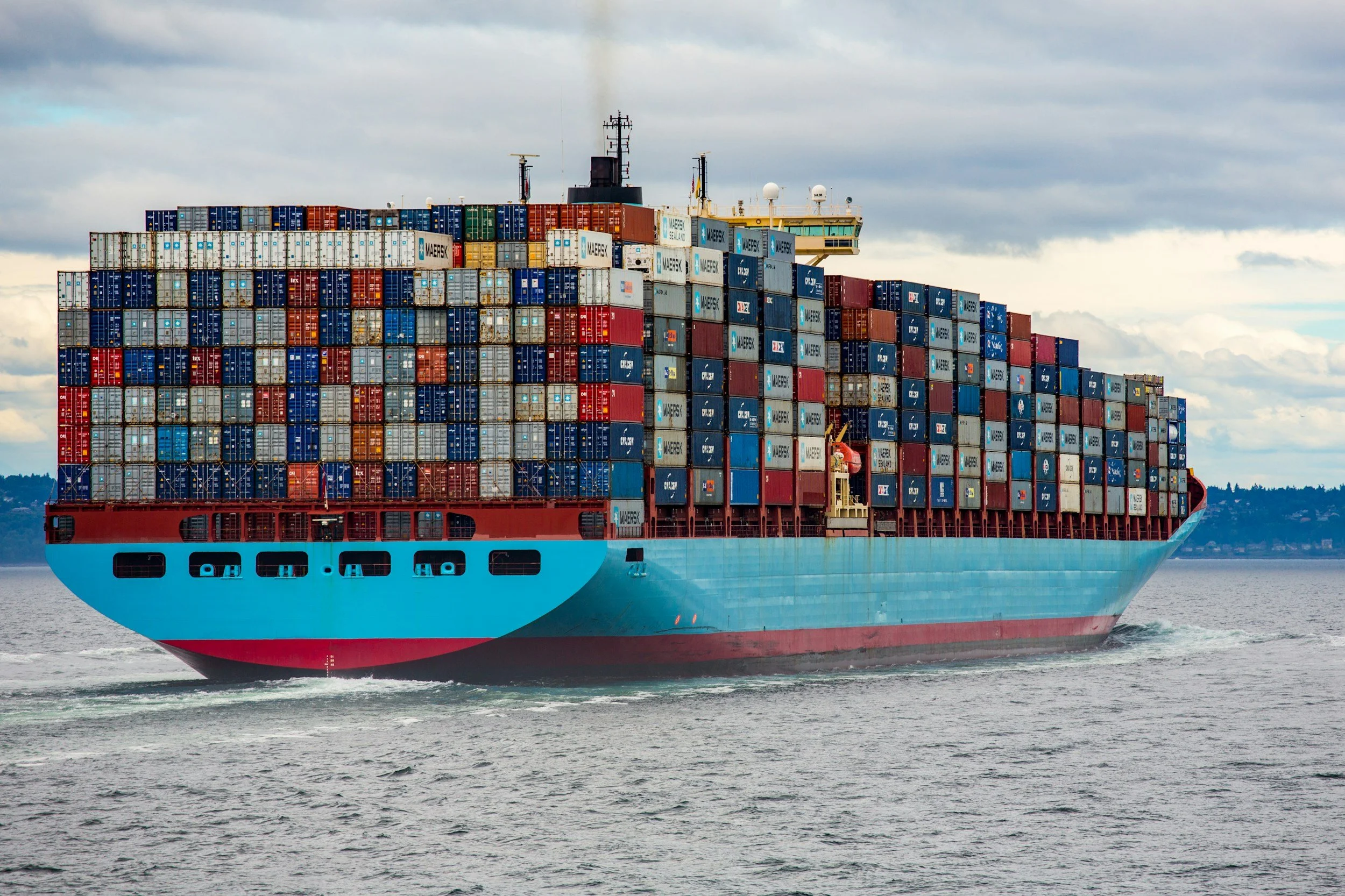
What is Friend-Shoring? // What It Means for Product Sourcing
Friend-shoring is the practice of sourcing products and materials from countries that are political and economic allies of your home market, rather than choosing suppliers based purely on cost. For businesses making manufacturing decisions right now, it has become one of the most important concepts to understand, because trade policy, tariff rates, and supply chain stability increasingly depend on where your sourcing country sits in the geopolitical landscape.
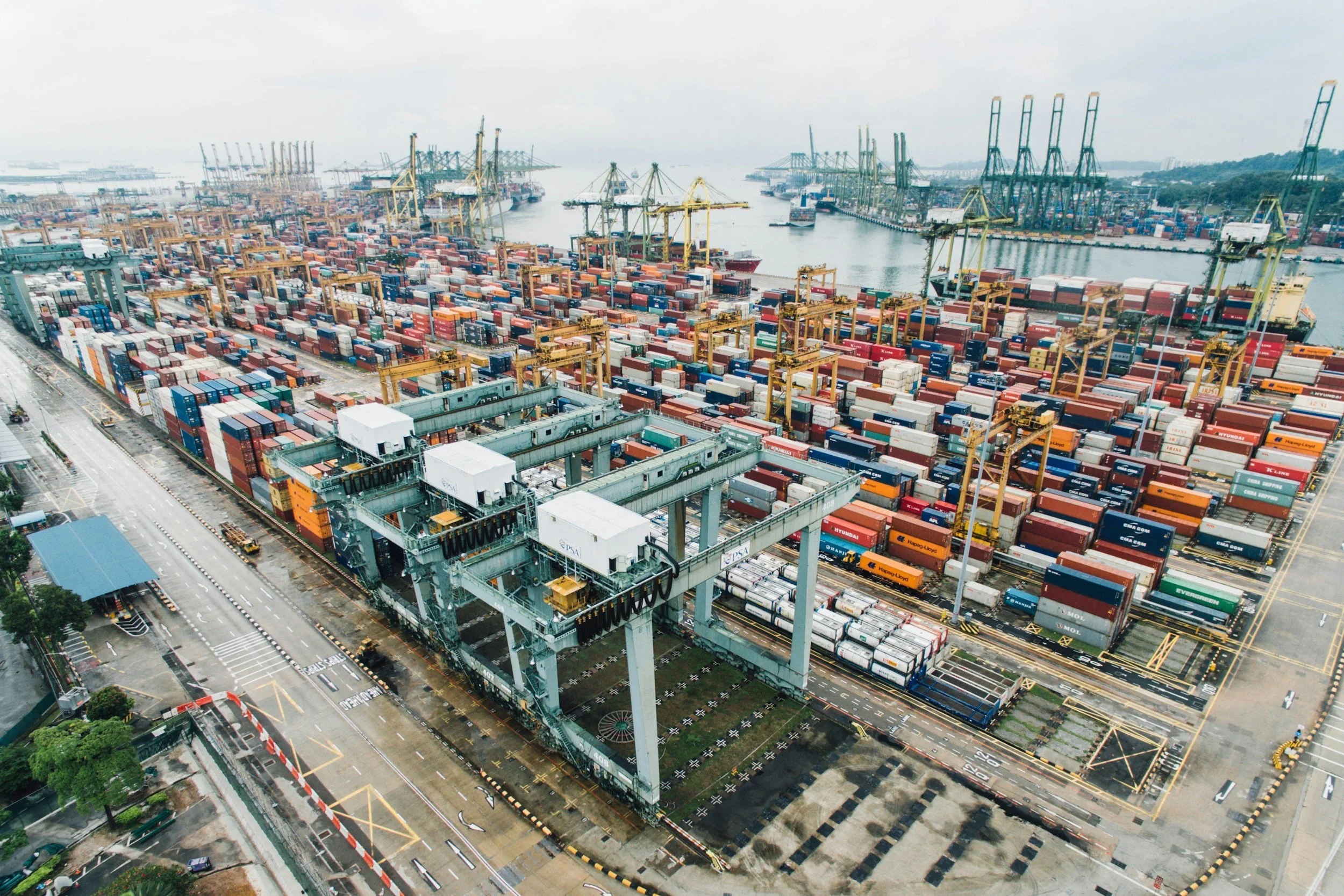
Tariff Survival Guide // Are Tariffs Good or Bad
Tariffs are one of the biggest controllable costs in product sourcing, and most buyers don't realize how many options they have to reduce them. Whether you're importing finished goods or raw materials, your sourcing decisions (where you manufacture, how your product is classified, and which trade agreements apply) directly determine how much you pay in duties at the border.
This guide covers practical, sourcing-level strategies to lower your tariff exposure. We're not covering customs law theory here. This is about the decisions you make as a buyer that affect what you actually pay.

CMT Explained: What Cut, Make, and Trim Mean When You're Sourcing Apparel
When you browse clothing racks at your favorite retailer, each garment represents the culmination of decisions made across continents, connecting designers in fashion capitals with manufacturers often thousands of miles away. The CMT model is the invisible framework that facilitates this global dance of production, allowing brands to maintain creative control while leveraging specialized manufacturing expertise wherever it exists.
With approximately 80% of apparel brands utilizing some form of CMT in their supply chains, this arrangement has become the industry standard for everything from basic t-shirts to luxury apparel. Fast fashion giants like Zara and H&M, mid-market stalwarts such as Gap and Uniqlo, and even many luxury houses rely on variations of the CMT model to bring their designs to life at scale.

Alibaba Verified Suppliers: What the Badge Does and Doesn’t Tell You
An Alibaba Verified Supplier is a supplier that has paid for Alibaba's highest membership tier and passed a third-party on-site audit of their business operations, facilities, and production capabilities. It is the strongest trust signal available on the platform, but it is not a guarantee of product quality or long-term reliability.
If you are sourcing products on Alibaba, the Verified Supplier badge is a useful starting point for filtering. It tells you the company exists, has real facilities, and was willing to invest in the verification process. But that is where its usefulness ends. Everything that actually determines whether a supplier will deliver quality products on time (their track record with your specific product type, their communication reliability, their actual production capacity relative to your order size) requires additional vetting that no platform badge can replace.
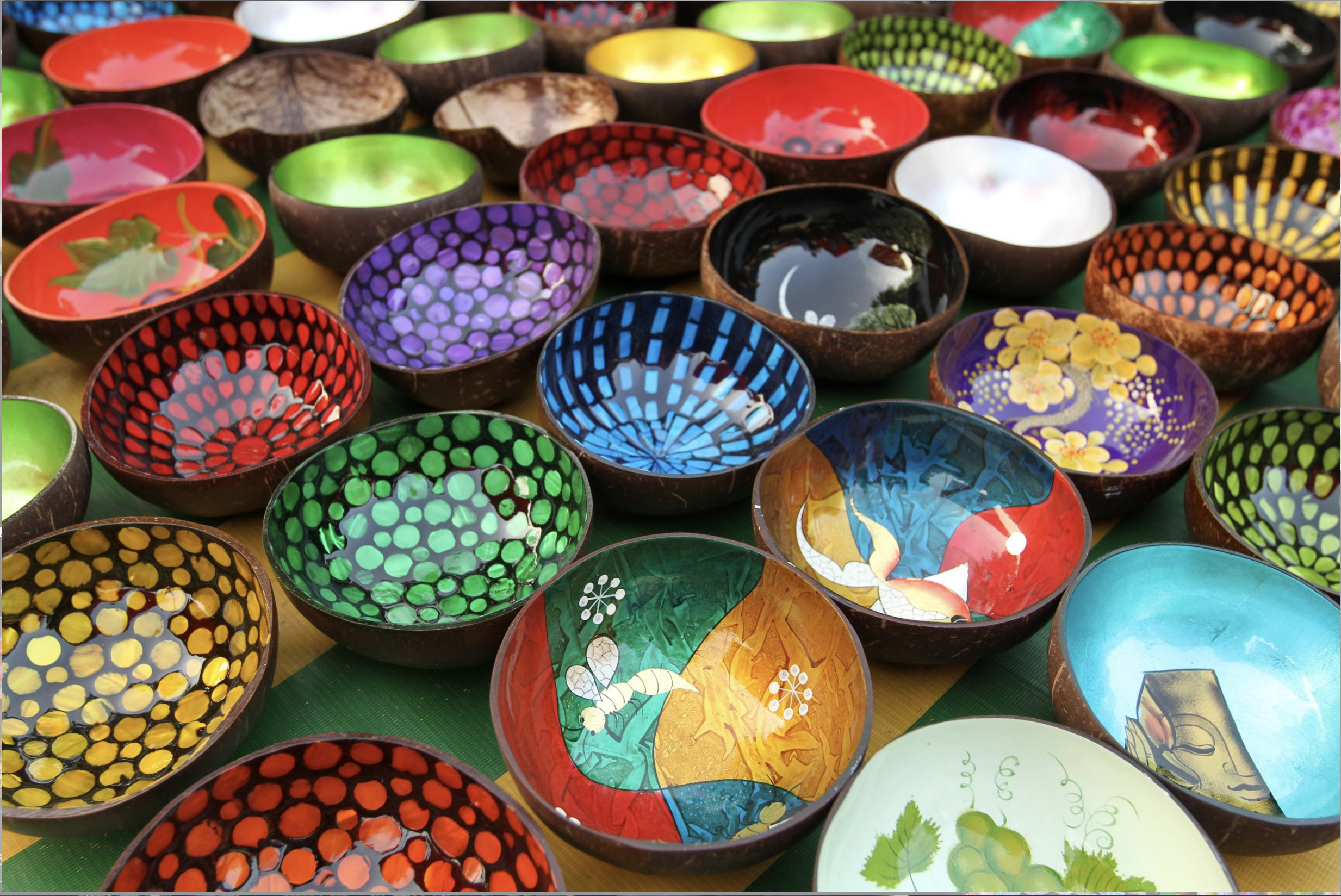
Top 8 Vietnam Lacquerware Manufacturers // How to Find and Vet the Best Factories
Vietnam is one of the world's top producers of lacquerware, with factories concentrated around Hanoi and Ho Chi Minh City that export trays, bowls, vases, home decor, and custom OEM products to buyers in the US, EU, Japan, and beyond. Finding the right manufacturer requires knowing where production is concentrated, how to evaluate quality (especially the difference between natural and synthetic lacquer), and how to connect with factories that are actually set up for export.
This guide covers where lacquerware is made in Vietnam, how to find and evaluate manufacturers, and a list of verified exporters based on customs shipment data.

Top 12+ Vietnam Uniform Manufacturers // How to Find Great Factories for Your Uniforms
Vietnam's garment sector exported approximately $44 billion in 2024 and is on pace to exceed $46 billion in 2025, making it one of the world's largest apparel exporters. Uniforms, from corporate polos and hotel staff wear to medical scrubs and industrial workwear, represent a growing share of that output. If you're sourcing uniforms from Vietnam for the first time, this guide covers how to find factories, what to expect regarding pricing and MOQs, and the most common mistakes I see buyers make.
I'm Jim Kennemer, founder of Cosmo Sourcing. We've been based in Vietnam since 2012 and have helped over 4,000 clients source more than 10,000 products across Southeast Asia. Uniforms are one of the most common product categories we handle, and I've visited dozens of uniform factories across the country. Here's what I've learned.
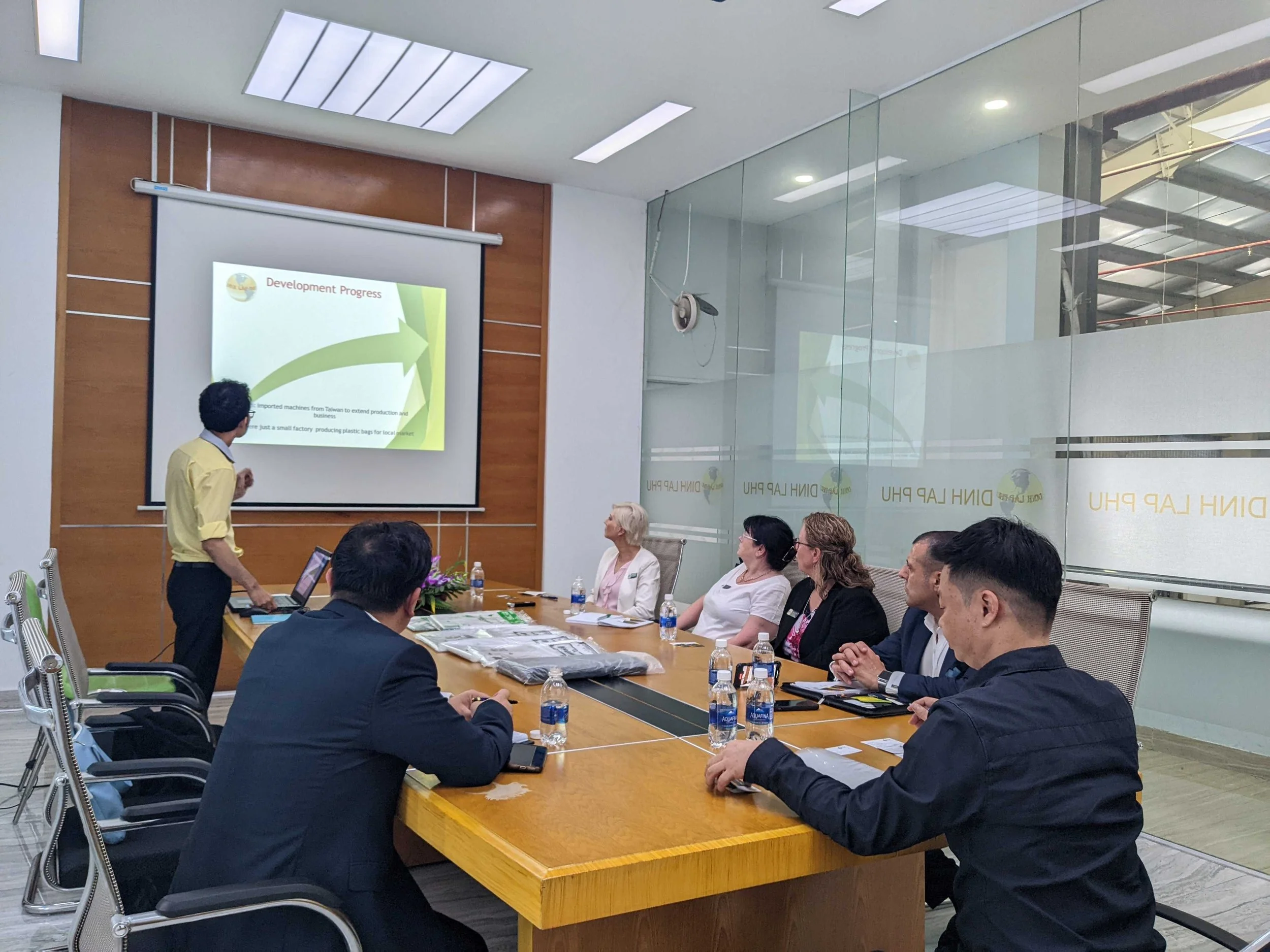
A Factory Just Asked for Your EAU // Here's What That Means
EAU stands for Estimated Annual Usage, and it is the projected number of units you plan to order from a supplier over a 12-month period. If a factory or sourcing company has asked you for your EAU, they need this number to quote you accurately, plan material purchases, and determine whether your order volume fits their production capacity.
Getting your EAU right matters. Overestimate it and you risk committing to volumes you can't move. Underestimate it and you may get quoted higher unit prices or find that factories aren't interested in working with you. This guide walks you through what EAU actually means in practice, why it matters for your pricing, and how to calculate a realistic number before you start requesting quotes.

The Real Risks of Global Sourcing (and How to Manage Them)
Global sourcing can cut your production costs, open up manufacturing capabilities you can't find domestically, and give you access to factory capacity that simply doesn't exist in many home markets. But it also introduces risks that catch buyers off guard, sometimes on their very first order. The biggest ones are supplier reliability, quality control, communication breakdowns, logistics delays, and regulatory compliance.
After more than a decade of helping thousands of clients source over 10,000 products from factories across Vietnam, China, Mexico, and Southeast Asia, the pattern is clear: most sourcing failures aren't caused by the risks buyers expect. They're caused by the ones buyers underestimate or don't see coming until production is already underway.
This guide breaks down the risks that actually matter when sourcing products internationally, drawn from real projects, and what you can do to manage them before they cost you money.
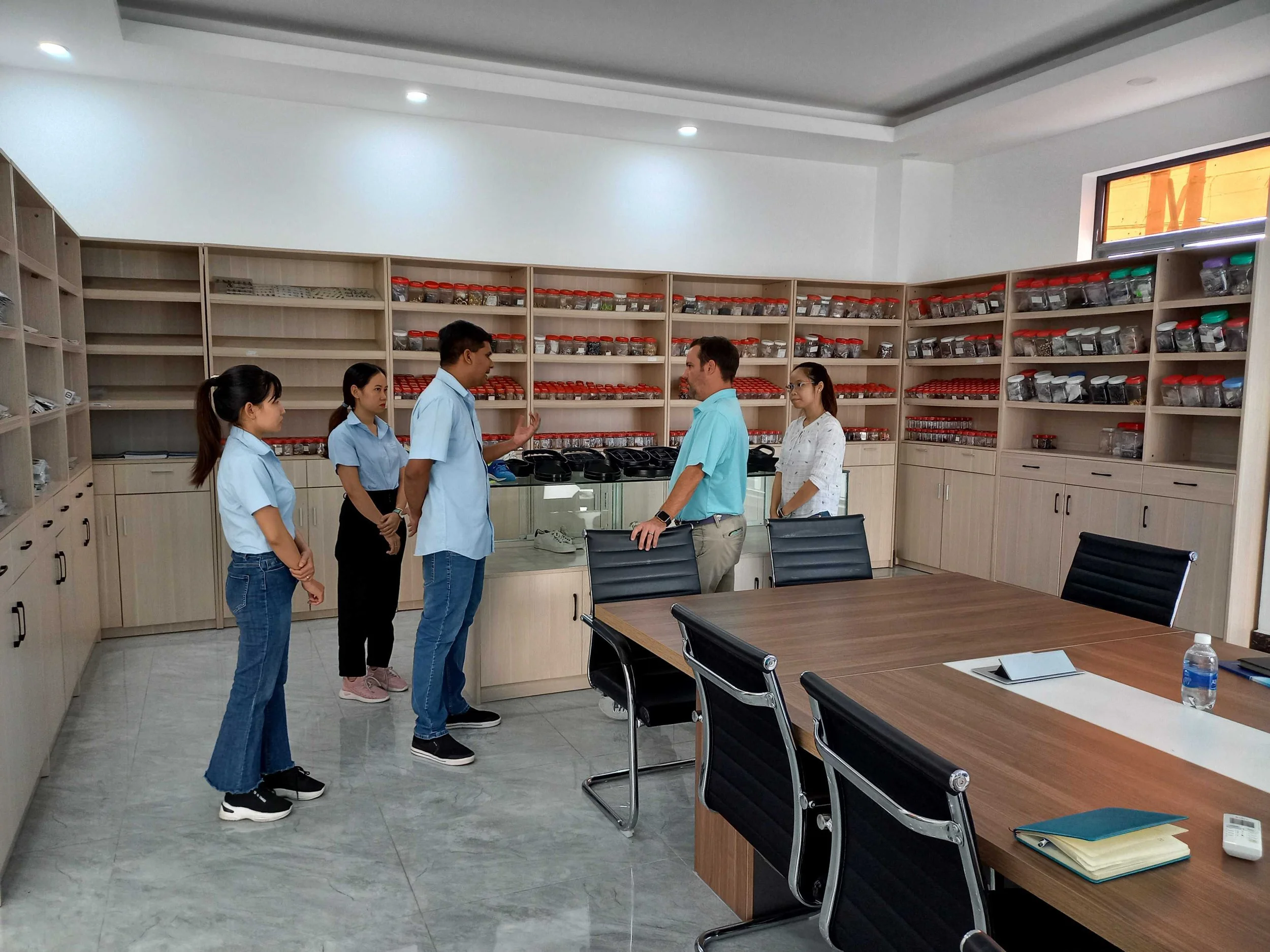
What are the Four Pillars of Strategic Sourcing?
n today’s fast-paced and highly competitive business environment, strategic sourcing is critical to enhancing procurement efficiency and driving long-term value. By integrating data-driven decision-making and fostering strong supplier partnerships, organizations can achieve cost savings, improve product quality, ensure supply chain sustainability, and stimulate innovation. This article explores the four fundamental pillars of strategic sourcing: key elements that create a resilient and high-performing procurement strategy.
As global supply chains become increasingly complex, procurement teams must navigate fluctuating market conditions, resource constraints, and growing demands for ethical sourcing. A structured strategic sourcing approach provides organizations with the framework to optimize supplier selection, improve contract compliance, and build collaborative relationships that drive business growth.

Activewear Fabrics: A Sourcing Guide for Buyers and Brands
The right fabric can make all the difference in activewear's performance, comfort, and durability. Choosing the right material impacts how well your gear wicks moisture, regulates temperature and stretches with your movements. Whether you're engaged in high-intensity workouts, outdoor running, yoga, or cycling, the fabric of your workout clothes plays a crucial role in ensuring comfort and efficiency.
Activewear fabrics are designed to provide a combination of breathability, flexibility, and durability, but not all materials offer the same benefits. Some fabrics are great for wicking sweat away, while others provide insulation for cold-weather training. Sustainable options also cater to eco-conscious consumers looking for environmentally friendly alternatives.
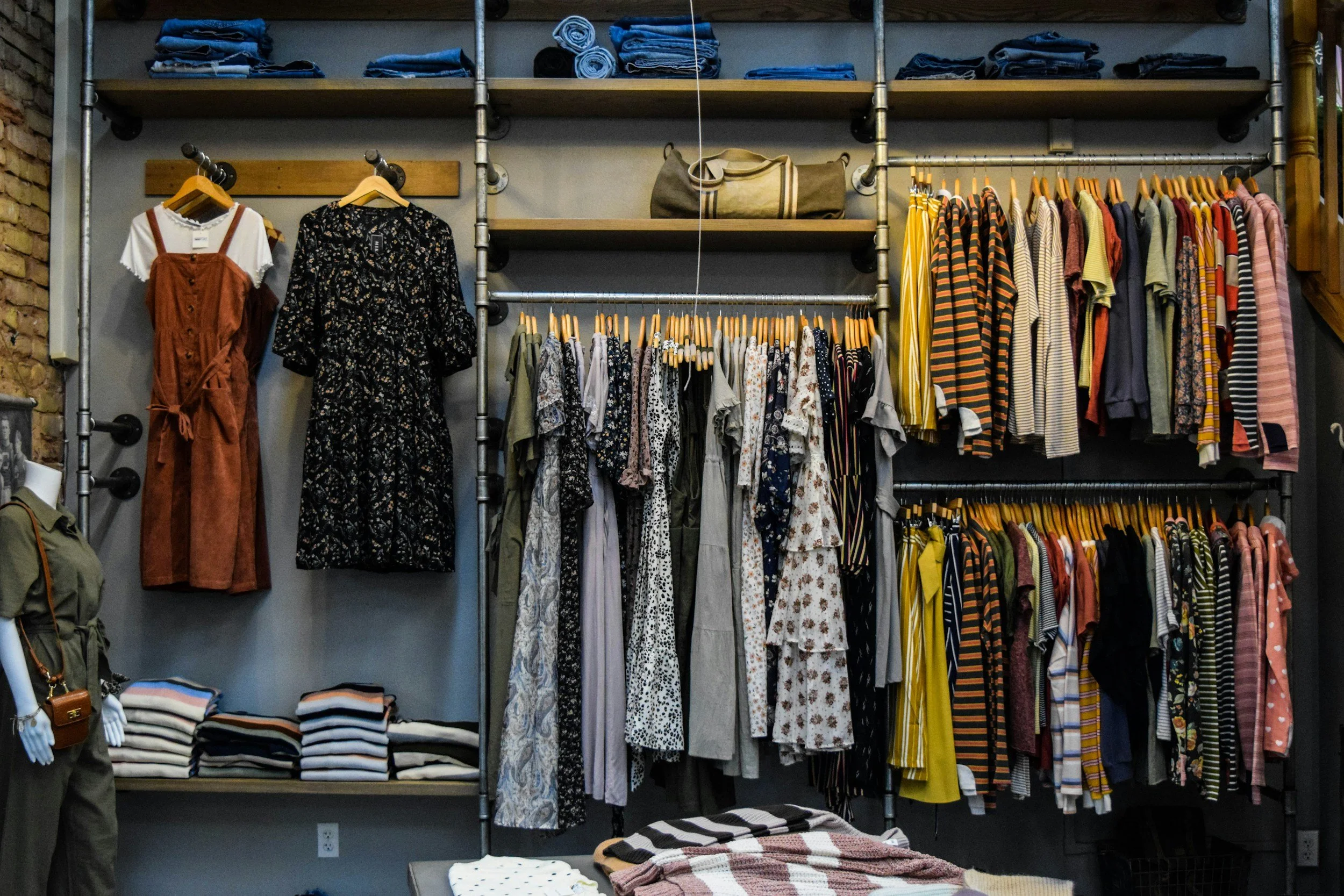
Top Clothing, Garment, and Apparel Manufacturing Countries Guide
If you're looking to manufacture clothing and apparel, choosing the right country for your production is one of the most critical decisions. The global textile and apparel industry is vast, with numerous countries offering unique advantages in terms of cost, quality, expertise, and ethical labor practices. While China remains the largest clothing exporter, several other nations are rising as strong competitors, providing better pricing, labor conditions, and material quality.
Before diving into the top manufacturing countries, it is important to understand the factors that make a country a prime location for apparel production. Key considerations include cost efficiency, labor expertise, infrastructure, raw material availability, and trade agreements. Each element determines a country's ability to provide high-quality and competitively priced garments to global markets.
This guide ranks the top 12 clothing manufacturing countries based on their export value, production capabilities, and industry strengths.
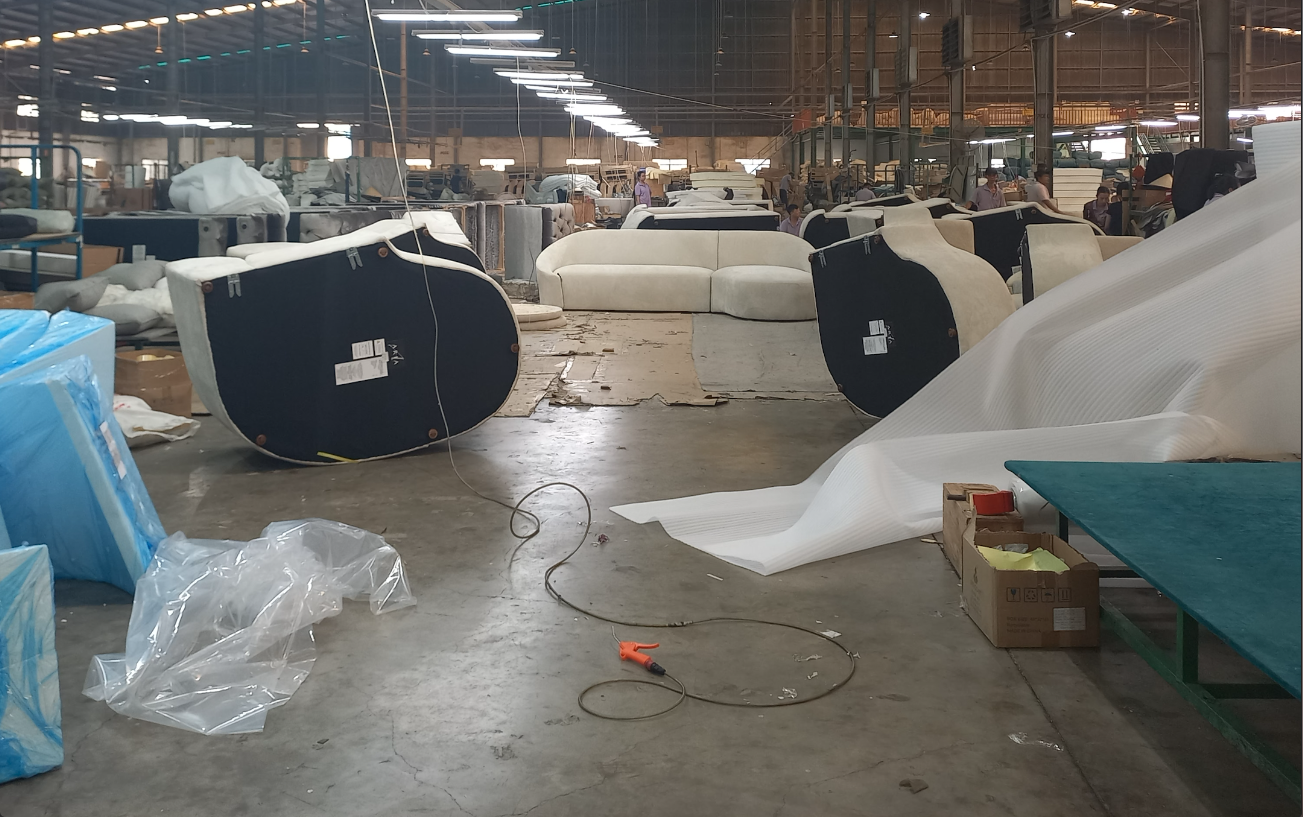
Top Countries for Furniture Manufacturing and Sourcing
China, Vietnam, Indonesia, Poland, Italy, Mexico, Malaysia, Turkey, and Germany are the leading furniture manufacturing countries. Each has distinct strengths in cost, materials, craftsmanship, and market access. The right choice depends on your product type, order volume, target market, and the level of complexity you are willing to manage.
We source furniture from several of these countries at Cosmo Sourcing, so the assessments below reflect what we see on the ground, not desk research.

15 Top Clothing Manufacturers in Mexico: A Sourcing Guide
Mexico is one of the strongest nearshore options for clothing manufacturing if you sell into the US or Canadian market. USMCA-compliant apparel ships duty-free, lead times are measured in days rather than weeks, and many factories accept lower minimums than their Asian counterparts. The country's apparel sector supports over 1.2 million jobs and recently exported roughly $7.3 billion in textiles and garments, with over 90% going to the United States.
This guide covers how to find and evaluate Mexican clothing manufacturers, what types of apparel the country produces best, where the key production hubs are, and how to navigate the current tariff landscape.
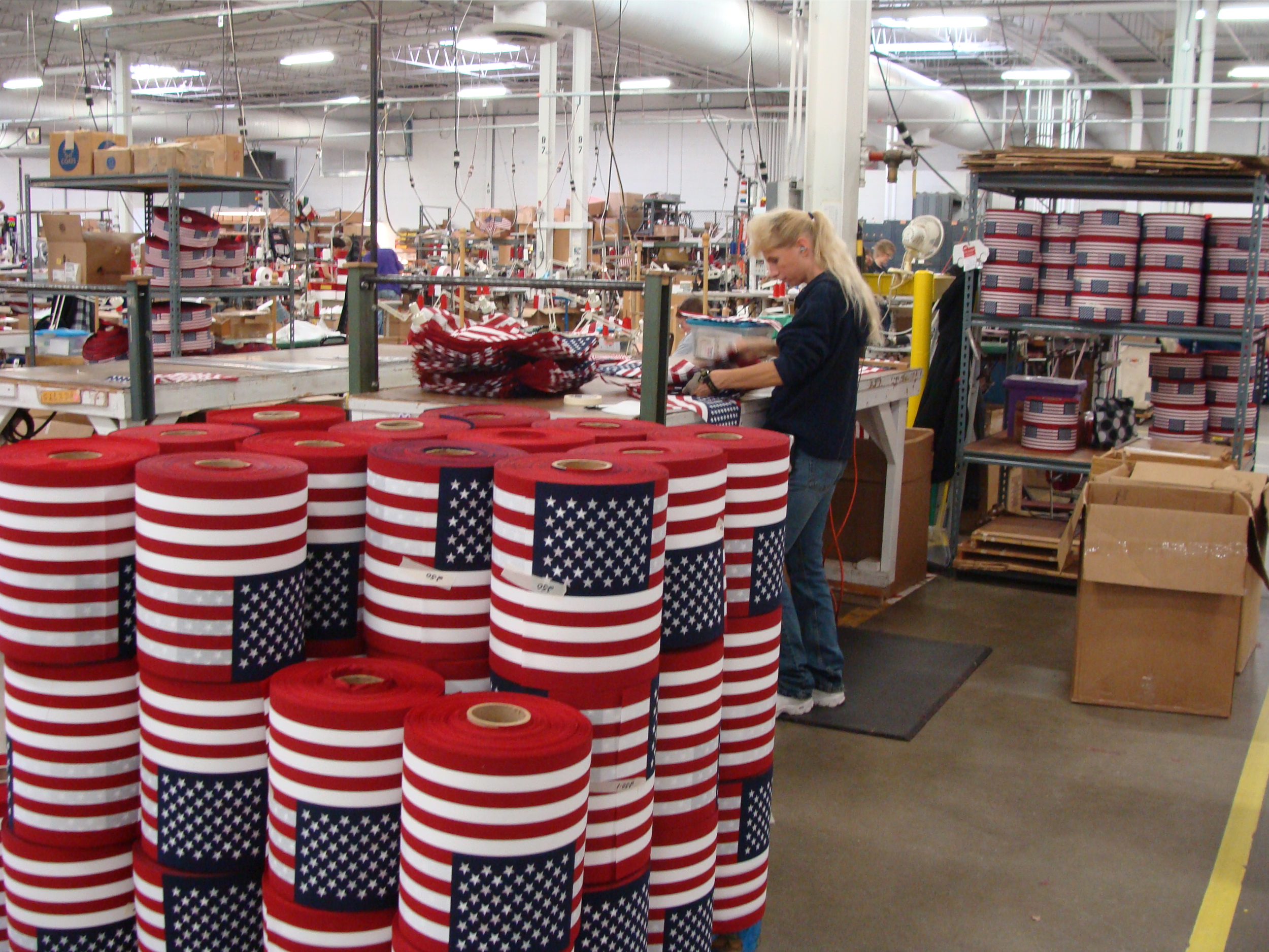
US Manufacturing // What's Made in The USA and When to Source Overseas
The US manufactures high-value products well: medical devices, aerospace components, custom electronics, and premium furniture. For most consumer goods, though, domestic production costs 2x to 5x more than manufacturing in Vietnam or Mexico with longer lead times for scaling. If you're researching US manufacturing for your product, the real question isn't what can be made here. It's whether domestic production makes financial sense for your specific product, volume, and market.
This guide breaks down the product categories where US manufacturing holds a genuine advantage, the categories where sourcing overseas is the better call, and how to evaluate the decision for your business.
Thailand Alibaba Alternatives: Sourcing Platforms, Directories, and What Actually Works
The best Alibaba alternatives for sourcing from Thailand include ThaiTrade.com (the government-backed B2B marketplace), Global Sources, and Thailand's Department of International Trade Promotion (DITP). But online platforms only get you part of the way. For most buyers, the real challenge is not finding a website with Thai suppliers listed on it. It is finding the right factory for your specific product and verifying they can actually deliver.