What is Friend-Shoring? // What It Means for Product Sourcing
Friend-shoring is the practice of sourcing products and materials from countries that are political and economic allies of your home market, rather than choosing suppliers based purely on cost. For businesses making manufacturing decisions right now, it has become one of the most important concepts to understand, because trade policy, tariff rates, and supply chain stability increasingly depend on where your sourcing country sits in the geopolitical landscape.
If you have been following the tariff developments over the past year, you have already seen friend-shoring in action, whether or not anyone called it that. Companies shifting production from China to Vietnam, Mexico, or Thailand are not just chasing lower costs. They are moving toward countries that have trade agreements, diplomatic alignment, and more predictable regulatory relationships with their target markets.
This guide explains what friend-shoring actually means for product sourcing, which countries qualify, and how to decide if it should factor into your manufacturing strategy.
Updated February 27, 2026
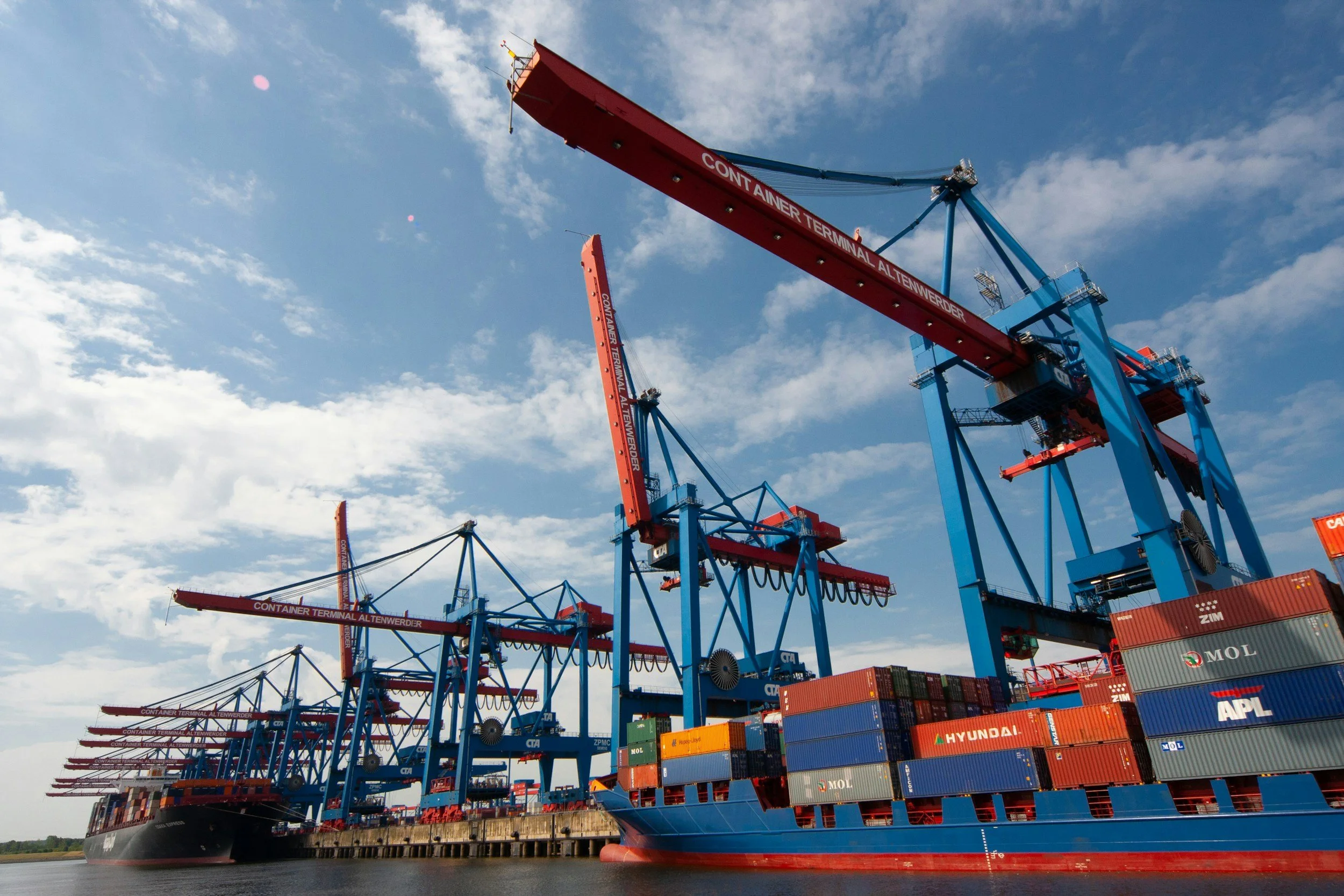
What Is Friend-Shoring?
Friend-shoring is a supply chain strategy in which businesses prioritize manufacturing in countries that align politically, economically, and in regulation with their home market. The term gained traction after U.S. Treasury Secretary Janet Yellen used it in a 2022 speech, arguing that companies should source from countries "we can count on" rather than remaining dependent on nations where geopolitical tensions could disrupt trade.
The concept is straightforward: instead of choosing a factory solely because it offers the lowest unit price, you also weigh whether that country has stable trade relations with the market you are selling into. A factory in a politically aligned country is less likely to be hit with sudden tariff increases, trade restrictions, or sanctions that disrupt your supply chain overnight.
Friend-shoring is related to, but different from, a few other strategies you may have heard about. Nearshoring moves production closer geographically (for example, a U.S. company sourcing from Mexico). Reshoring brings it back to your home country. Offshoring moves it to wherever costs are lowest, regardless of location. Friend-shoring can overlap with any of these, but its defining feature is political and economic alignment, not geography or cost.
Why Friend-Shoring Matters for Product Sourcing Right Now
For most of our history at Cosmo Sourcing, the conversation with clients was primarily about cost, quality, and lead time. Those factors still matter, but over the past two years, we have had more conversations about trade risk than in the previous decade combined.
The reason is simple: tariff policy has become volatile and unpredictable. Countries that were considered safe, low-cost sourcing destinations have seen their tariff rates swing dramatically in short periods. The U.S. tariff landscape alone has been reshaped multiple times since early 2025, with reciprocal tariffs, trade deals, court rulings, and new executive orders all changing the math for importers. Other markets have experienced similar shifts as governments respond to geopolitical tensions and trade realignments.
This is exactly the environment where friend-shoring becomes a practical strategy rather than a policy buzzword. When you source from a country that has an active trade agreement with your target market, you get more than just a favorable tariff rate. You get a degree of predictability. Trade agreements take years to negotiate and are harder to undo overnight than unilateral tariff actions. Countries with deep diplomatic ties to your home market are less likely to become targets of sudden trade restrictions.
That does not mean friend-shoring eliminates risk. No sourcing strategy does. But it shifts the odds in your favor, and in a period where the wrong country choice can add 20, 30, or even 40 percentage points to your import costs, those odds matter.
Which Countries Qualify as Friend-Shoring Destinations?
The answer depends on where you are selling. A friend-shoring destination for a U.S. importer looks different from one for a European or Australian buyer. That said, several countries have emerged as strong friend-shoring options for businesses across multiple Western markets.
Vietnam
Vietnam is one of the most prominent friend-shoring destinations in the world right now, and it is where we do the majority of our sourcing work. The country participates in the CPTPP (which provides preferential access to markets including Canada, Australia, and Japan) and the EU-Vietnam Free Trade Agreement, which significantly reduces tariffs on goods entering the EU. For U.S. importers, Vietnam's tariff situation has been in flux, so check the latest rates before making decisions. But the underlying fundamentals remain strong: a skilled workforce, competitive labor costs, and manufacturing capability across a wide range of product categories, including textiles, furniture, footwear, electronics, and plastics.
Mexico
For North American buyers, Mexico is the strongest friend-shoring play available. USMCA-compliant goods can enter the U.S. and Canada with significant tariff advantages, and the proximity means goods arrive in days rather than weeks. We work with manufacturers in Nuevo Leon and other parts of Mexico, and the biggest advantage beyond tariff treatment is responsiveness. Design changes, quality issues, and order adjustments happen fast when your factory is in the same time zone. For a deeper look at how the two compare, we wrote a detailed piece comparing Mexico and Vietnam as sourcing destinations.
Thailand
Thailand does not get as much attention as Vietnam or Mexico, but it is a country we actively source from and recommend. Manufacturing capabilities are strong in automotive parts, electronics, food processing, and home goods. The infrastructure is more developed than most of its Southeast Asian neighbors, and the factories we work with are professional and reliable. Thailand has trade agreements with multiple markets and has negotiated its own framework with the U.S. It is a solid friend-shoring option, particularly for products that require higher precision or more sophisticated manufacturing.
India
India has been positioning itself aggressively as a manufacturing alternative to China. The country recently secured a trade deal with the U.S. that substantially improved its tariff position, and its massive labor force and English-speaking workforce make it appealing on paper. However, based on our direct experience, we do not currently offer India as a sourcing destination. We found the quality consistency, banking logistics, and communication reliability too challenging for the small and mid-sized businesses we serve. Large companies with dedicated sourcing teams and long-established relationships can make India work. For our clients, we recommend other options.
Eastern Europe
Poland, Romania, and the Czech Republic serve Western European buyers the way Mexico serves North American ones: nearby, culturally aligned, and operating within a shared trade framework as EU member states. Labor costs are higher than in Southeast Asia, but transit times to EU markets are measured in days. For European companies looking to reduce dependence on Asian supply chains, Eastern Europe is a natural friend-shoring destination.
Other Emerging Options
Cambodia, Bangladesh, and Indonesia have all negotiated trade frameworks that improved their tariff positions, and each has specific manufacturing strengths (garments for Cambodia and Bangladesh, textiles and footwear for Indonesia). These are more situational, with narrower manufacturing bases and more infrastructure limitations than the countries listed above. We work selectively with factories in Cambodia and Thailand, matching the right project to the right facility.
Friend-Shoring vs. Nearshoring vs. China Plus One
These three terms get used interchangeably, but they describe different strategies with different priorities.
Friend-Shoring
You choose countries that have stable, favorable trade relationships with your market. The priority is political and economic alignment. Geography is secondary.
Nearshoring
You move production closer to your end market to reduce lead times, shipping costs, and inventory risk. Mexico for North American buyers, Eastern Europe for EU buyers. The priority is proximity.
China Plus One
You keep your Chinese supply chain but add a second country (often Vietnam, Thailand, or India) to reduce dependence on any single source. The priority is diversification. We have a full breakdown of the China Plus One strategy if you want the details.
In practice, these strategies overlap. Vietnam is simultaneously a friend-shoring destination (trade agreements with multiple Western markets), a China Plus One candidate (competitive manufacturing for many of the same product categories), and, for some products, even a nearshoring option for Australian and Japanese buyers. The labels matter less than the underlying question: Does this country give me the combination of cost, quality, trade terms, and reliability I need for my product?
How to Build a Friend-Shoring Strategy for Your Product
If you are thinking about where to manufacture, here is how to factor friend-shoring into the decision:
Start with Your Target Market
Where are you selling? The trade agreements and tariff rates that matter most are the ones between your manufacturing country and your import market. A country that is a strong friend-shoring option for U.S. importers might offer no particular advantage for someone selling into Australia or the EU. Identify which countries have the most favorable trade terms for your specific market before evaluating factories.
Match Manufacturing Capability to Your Product
Not every friend-shoring country can make every product well. Vietnam is excellent for garments, furniture, and certain electronics. Mexico is strong in automotive, aerospace, and products that benefit from fast turnaround. Thailand excels at precision manufacturing and food processing. The country has to be able to make your product to your quality standards at the volume you need. Trade alignment alone is not enough.
Calculate Total Landed Cost, Not Just Unit Price
Higher shipping costs, longer lead times, or lower production efficiency can offset a favorable tariff rate. Always evaluate countries on total landed cost: unit price plus freight, duties, insurance, quality inspection, and inventory carrying costs. That is your real number.
Build in Diversification
The smartest friend-shoring strategy is not "move everything to one allied country." It is building production capacity across two or three aligned countries, so you have options when conditions change. And conditions will change. Many of our clients run primary production in Vietnam with backup capacity in Mexico or Thailand, or split by product line based on which country does what best.
Consider Working with a Sourcing Partner
Friend-shoring sounds simple in concept, but executing it means finding factories in countries where you may not have existing relationships, navigating unfamiliar regulatory environments, and managing quality across multiple production locations. This is where the complexity that looks manageable in a blog post becomes genuinely difficult in practice, and where working with someone who already has teams and factory relationships on the ground can save significant time and costly mistakes. For a broader look at alternatives to manufacturing in China, we have covered the pros and cons of each major option.
Cosmo Sourcing: Friend-Shoring with Teams on the Ground
If you are rethinking where to manufacture your product, whether because of tariff changes, supply chain risk, or both, we can help you evaluate your options honestly.
Cosmo Sourcing has been helping businesses find the right manufacturers since 2012. We have teams in Ho Chi Minh City and Nuevo Leon, and we have sourced thousands of products across Vietnam, Mexico, Thailand, Cambodia, China, and beyond. We work on a flat-fee model (not commission-based), which means our recommendations are based on what actually makes sense for your product, not on where we earn the highest margin. You get original quotes from 2 to 6 factories, direct introductions to manufacturers, and a sourcing partner who will tell you honestly whether friend-shoring, nearshoring, or staying with your current supplier is the right call.
Reach out to us at info@cosmosourcing.com or visit our contact page to start a conversation.