Starting a Clothing Line? Here's How Manufacturing Actually Works
Starting a clothing line comes down to one critical decision: how you will get your garments made. The production model you choose determines your startup costs, minimum order quantities, timelines, and the level of control you have over the final product. Everything else (branding, marketing, sales channels) matters, but none of it works if you cannot reliably produce quality garments at a price that makes business sense.
This guide focuses on the manufacturing side of launching a clothing line. I have spent over a decade at Cosmo Sourcing helping clients, from first-time founders to established brands, navigate the process of turning a design concept into a finished product. The steps below reflect what actually works based on thousands of sourcing projects across Vietnam, China, and other manufacturing hubs.
Updated February 22, 2026

The core steps to manufacturing a clothing line:
Choose your production model (print-on-demand, private label, or custom cut-and-sew)
Prepare your tech pack, fabric selections, and budget before contacting factories.
Find and vet manufacturers through trade shows, sourcing platforms, or a sourcing company.
Go through sampling, revisions, and pre-production approval
Manage production, quality control, and shipping
Choose Your Production Model
Your production model is the single biggest decision you will make early on. Each path has different cost structures, minimum order requirements, and levels of creative control. Picking the wrong model for your budget or goals is one of the most common reasons new clothing lines stall before they ever ship a product.
Print-on-Demand
Print-on-demand (POD) services print your designs onto blank garments only when a customer orders. There is no inventory to hold and almost no upfront cost beyond the design work itself. Services like Printful or Printify handle production and shipping directly.
The tradeoff is significant: margins are thin (often $5 to $15 per unit), you have no control over fabric, fit, or construction quality, and your product is virtually identical to thousands of other POD brands. This model works for testing designs or building an audience. Still, it is difficult to build a serious apparel brand on POD alone because you cannot differentiate on product quality.
Private Label / White Label
Private label means purchasing blank garments from a manufacturer, then adding your own branding: labels, tags, packaging, and sometimes screen printing or embroidery. You buy inventory upfront, usually in bulk, which means higher margins than POD but also more risk.
Typical minimum orders for private label start around 100 to 300 units per style and color. The advantage is speed. You skip the pattern-making and sampling process because the garments already exist. The limitation is that your product is built on someone else's base garment, so you cannot control the fit, fabric weight, or construction details that set premium brands apart.
Custom Cut-and-Sew
Custom cut-and-sew is the full manufacturing path. You design the garment from scratch: your own patterns, your own fabric, your own construction specifications. A factory cuts, assembles, and finishes the garments to your exact specifications.
This is the most expensive and time-intensive option. Expect to invest $3,000 to $10,000 or more in sampling and development before a single production unit ships. Minimum order quantities typically start at 300 to 500 units per style, though some factories will accept smaller runs at higher per-unit pricing. The payoff is complete control over your product, which is essential if you want to build a brand with a distinctive fit, fabric, or design language.
Most of the clients I work with at Cosmo Sourcing are on the cut-and-sew path. If you are serious about building a clothing brand rather than reselling printed blanks, this is the model that gives you the most room to differentiate.
What You Need Before Contacting a Manufacturer
Reaching out to factories before you have your materials organized is one of the fastest ways to get ignored or receive quotes that mean nothing. Garment manufacturers, especially good ones, get dozens of inquiries every week. The more prepared you are, the better responses you will get.
Tech Packs and Spec Sheets
A tech pack is the blueprint for your garment. It includes detailed measurements, construction notes, stitch types, fabric specifications, trim details, label placement, and reference images. Without a tech pack, a factory is guessing at what you want, which leads to inaccurate quotes and wasted sample rounds.
If you do not have experience creating tech packs, you can hire a freelance technical designer or work with a sourcing company that offers this as part of their service. Our guide to creating a clothing tech pack walks through the process in detail.
Fabric and Material Decisions
Fabric is often the single largest component of your cost per unit, and the choice affects everything from drape and comfort to MOQs and lead times. Before you contact factories, you should know at minimum: the fabric type (jersey, French terry, woven poplin, etc.), the desired weight (measured in GSM), and whether you need specific certifications, such as OTAN or GOTS, for organic cotton.
Many factories can source fabric for you, but having a clear brief prevents miscommunication. If you have reference garments from other brands whose fabric you like, send those as samples. It is far more effective than simply describing a fabric in words.
Setting a Realistic Budget
For a custom cut-and-sew line, a realistic startup manufacturing budget is $15,000 to $50,000, depending on complexity, number of styles, and order volume. That covers sampling, fabric sourcing, production, quality control, and shipping. It does not include branding, marketing, or sales infrastructure.
If your budget is under $5,000, private label or POD is likely a better starting point. There is no shame in starting small and graduating to cut-and-sew once you have validated demand. You can estimate your total landed cost through product validation before committing to a production run.
How to Find and Vet Garment Manufacturers
Finding a factory is not the hard part. Finding the right factory, one that can handle your product, meet your quality standards, communicate effectively, and deliver on time, is where most people struggle.
Where to Search
Trade shows are still the best way to meet garment manufacturers face-to-face. Canton Fair, Magic Las Vegas, and Texworld are well-known options. Online, Alibaba and Global Sources list thousands of garment factories, though quality varies enormously, and many listings are for trading companies rather than actual manufacturers.
Country selection matters. Vietnam, China, Bangladesh, India, and Turkey are the top countries for clothing manufacturing, each with different strengths. Vietnam excels in woven garments, activewear, and outerwear, with strong compliance standards driven by years of producing for major Western brands. China offers the widest range of capabilities and the most mature supply chain. Bangladesh and India are competitive on price for basics and knitwear.
If you are specifically interested in Vietnam, we maintain an updated list of top Vietnam clothing manufacturers to give you a sense of the landscape.
What to Ask During Vetting
Once you have a shortlist, the vetting conversation matters more than the quote. Ask about their main product types and export markets, what brands or retailers they have produced for, their minimum order quantities per style and per color, their typical lead time from sample approval to delivery, and whether they handle fabric sourcing or require you to supply materials.
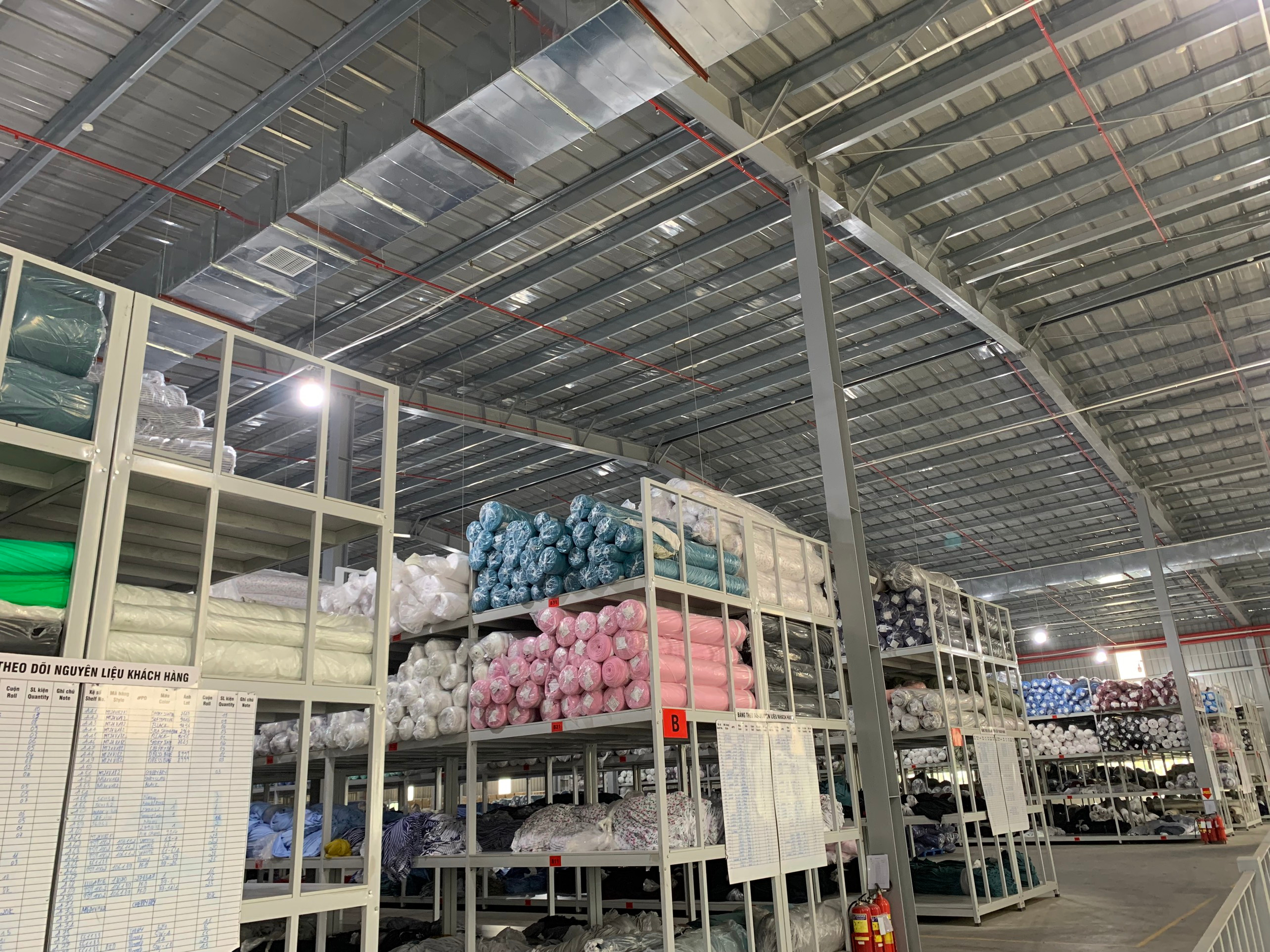
Ask for photos or a video of the production floor. A legitimate factory will have no problem showing its facility. Pay attention to how quickly and thoroughly they respond. A factory that takes a week to reply to an initial inquiry will not suddenly become responsive during production.
Red Flags to Watch For
Be cautious if a supplier cannot name specific past clients or show finished product photos, if their pricing is dramatically lower than every other quote (this usually means corners will be cut on materials or construction), if they agree to every request without pushing back (good factories will tell you when your specifications are impractical), or if they cannot clearly explain their QC process. Also, be wary of "factories" that turn out to be trading companies adding a markup without adding value. Ask directly: "Are you the factory, or do you work with factories?" There is nothing inherently wrong with trading companies, but you should know what you are paying for.
The Sampling and Production Process
Sampling
Sampling is iterative. Expect at least two to three rounds before you approve a production-ready sample. The first sample is likely to have fit issues, construction details that differ from your tech pack, or fabric that does not meet your expectations. This is normal.
A typical sample costs $50 to $300 per garment, depending on complexity, plus shipping. Do not skip or rush this step to save money. The sample is the reference point the factory will use for the entire production run. If you approve a flawed sample, you will receive a flawed bulk order. Our guide to ordering product samples from a factory covers this process in depth.
Production Timelines and Payment Terms
For garment manufacturing, expect 30 to 90 days from sample approval to shipment, depending on order size and fabric availability. If the factory needs to source custom fabric or dye to a specific Pantone color, add two to four weeks to that timeline.
Standard payment terms in garment manufacturing are typically 30% deposit before production starts and 70% balance before shipment (often against a bill of lading). Some factories will negotiate other arrangements for repeat clients, but for a first order, expect these terms. Get everything in writing: payment schedule, delivery date, quality standards, and what happens if either side fails to deliver.
Quality Control and Inspections
Never skip quality control, especially on a first order. At a minimum, arrange a pre-shipment inspection when production is 80% to 100% complete. A third-party inspection company will pull random samples from the finished goods and check them against your approved sample for measurements, construction, fabric quality, color accuracy, and packaging.
Inspection costs typically run $200 to $400 per visit. Compared to the cost of receiving a container of defective garments, this is one of the highest-return investments you can make. Your factory should expect inspections and not resist them. If they push back on third-party QC, that is a serious red flag.
Common Mistakes When Starting a Clothing Line
After helping over 4,000 clients bring products to market, I have seen the same mistakes come up repeatedly. Most of them happen before production even starts.
Skipping the tech pack and sending vague descriptions to factories is probably the most common one. Without precise specifications, you cannot hold a factory accountable for quality because there was never a clear standard to begin with. Another frequent issue is underestimating MOQs and per-unit costs. New founders often assume they can order 50 units of a custom garment at a competitive price. The reality is that most cut-and-sew factories need at least 300 to 500 units to make a run economically.
Approving samples too quickly costs people money as well. I have seen clients approve a first sample to save time, only to discover fit problems across hundreds of units. The sampling phase exists to catch these issues, so use it. Ignoring landed costs is another trap: your factory quote is not your final cost. Add shipping, customs duties (which vary by country, so check the latest rates for your market), insurance, and inland freight. A product that looks profitable at the factory gate can lose its margin once it reaches your warehouse. Finally, choosing a factory based on price alone almost always backfires. The cheapest quote usually means the lowest quality materials, the least experienced workers, or both. Vet on capability and reliability first, then negotiate on price.
When to Work with a Sourcing Company
Not everyone needs a sourcing company, and I say that as someone who runs one. If you have the time to attend trade shows, the language skills to communicate directly with factories, and the experience to manage quality control and logistics, you can handle manufacturing on your own. The Cosmo Sourcing Kit is built for exactly this type of independent buyer, with templates, contracts, and guides for every step.
Where sourcing companies add the most value is when you are placing your first overseas order and do not have established factory relationships, when you need to vet multiple factories quickly across a country you have never visited, when you want someone on the ground managing quality control and production timelines, or when you are diversifying out of China and need introductions in Vietnam or other markets.
A good sourcing company acts as your eyes, ears, and advocate at the factory level. At Cosmo Sourcing, we work on a flat-fee model rather than taking a commission on your order, which means our incentive is to find you the best factory, not the one that pays us the highest margin. We provide original factory quotes with no markups, full factory contact information, and direct introductions so you own the relationship from day one.
Start Your Clothing Line with Cosmo Sourcing
Turning your clothing line from a concept into a shipped product is what we do every day. Since 2012, Cosmo Sourcing has helped over 4,000 clients source more than 10,000 products across Vietnam, China, Mexico, and beyond. We handle the heavy lifting: identifying manufacturers, obtaining multiple quotes, managing samples, arranging inspections, and coordinating shipping.
What makes us different: flat-fee pricing with no commissions or hidden markups, original factory quotes delivered directly to you, full factory contact details and direct introductions, and a team based in Ho Chi Minh City with over a decade of on-the-ground manufacturing experience.
Ready to get started? Reach out and tell us about your clothing line.
Email: info@cosmosourcing.com Get in touch: cosmosourcing.com/contact-us