Clothing Manufacturing in China: How to Find, Vet, and Work with Chinese Garment Factories
China remains the world's largest clothing exporter, and finding the right garment factory there comes down to five things: knowing which region specializes in your product type, using the right sourcing channels, vetting factories on certifications and production capability, ordering samples before committing, and protecting your designs throughout the process. This guide covers each step based on our experience helping clients source apparel from Chinese factories since 2012.
In short, the best approach combines a sourcing company or B2B platform to identify candidates, a regional focus based on your garment type, and a structured vetting process before placing any order. Alibaba alone is not enough, and neither is picking the first factory that replies.
Updated February 22, 2026
Why China Still Leads in Clothing Manufacturing
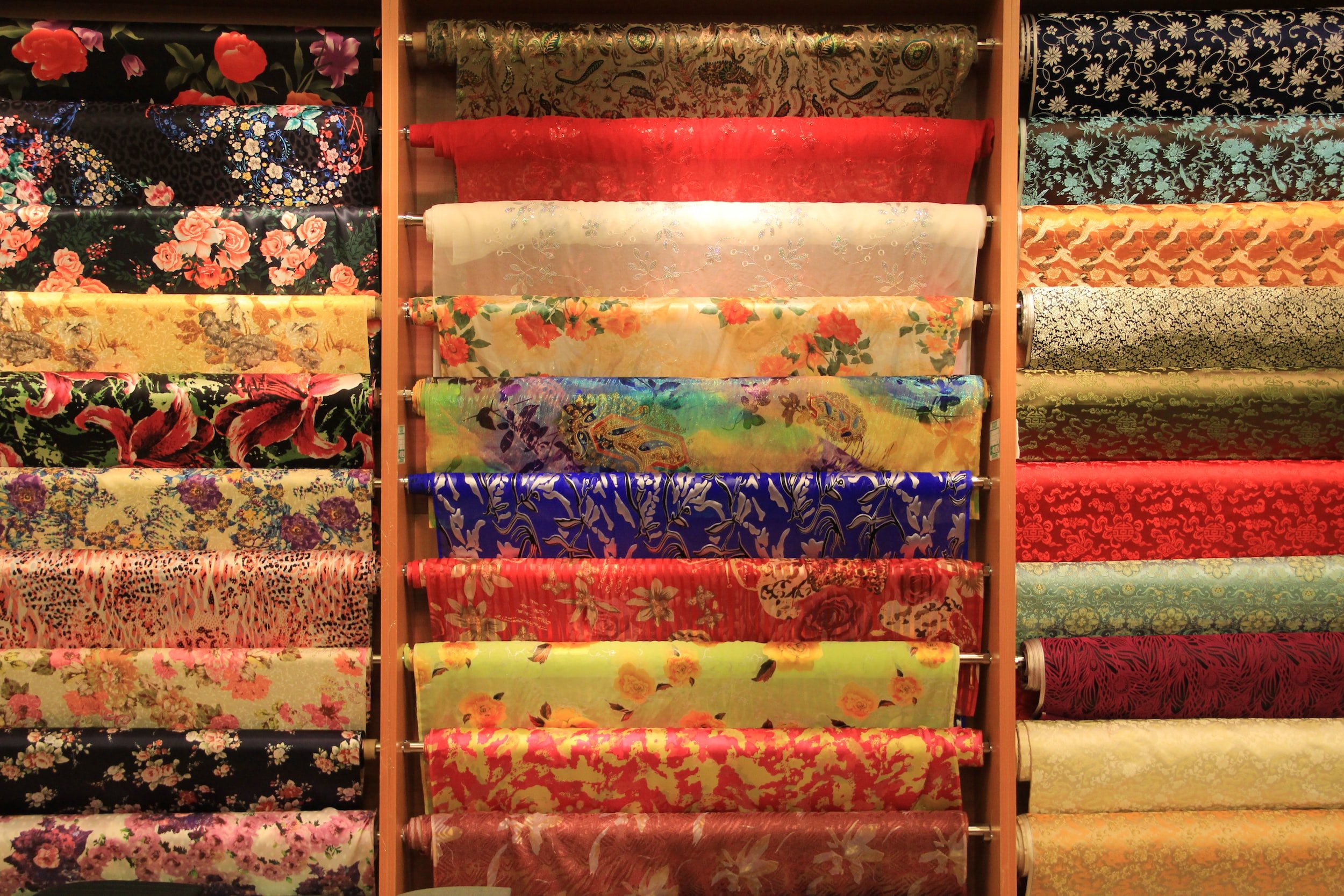
China exported $301.1 billion in textiles and apparel in 2024, according to China Customs data. Apparel alone accounted for $159.1 billion of that total. No other country comes close to matching China's combination of scale, supply chain depth, and product range.
What makes China's garment industry uniquely capable is not just the number of factories. It is the ecosystem. Raw material suppliers, fabric mills, dye houses, trim manufacturers, packaging companies, and logistics providers all operate within the same industrial clusters. A factory in Guangzhou can source fabric, buttons, zippers, labels, and packaging all within a short drive. That kind of density shortens lead times and gives factories flexibility that is hard to replicate elsewhere.
China handles everything from basic t-shirts and hoodies to technically complex items like compression sportswear, bonded outerwear, and high-end tailored garments. If your product requires specialized fabric treatments, complex construction, or large-volume production, China is likely still the most capable option. For buyers weighing their options, our guide to the top clothing manufacturing countries compares China against other leading destinations.
That said, rising labor costs, tariff uncertainty, and trends toward supply chain diversification mean China is not automatically the right choice for every product. Many brands now use a China+1 strategy, keeping China for complex or high-volume items while shifting simpler production to Vietnam, Mexico, or other alternatives.
China's Key Clothing Manufacturing Regions
China has roughly 50 textile clusters, but five eastern coastal provinces account for over 70% of the country's textile output. Knowing which region specializes in what saves significant time when searching for the right factory.
Guangdong (Guangzhou, Shenzhen, Dongguan, Zhongshan)
Guangdong is China's largest apparel manufacturing hub, with over 28,000 exporting enterprises. Guangzhou is home to the Zhongda Fabric Market, the largest textile marketplace in Asia, giving local factories immediate access to virtually any fabric or trim. The region excels at fast fashion, women's wear, casual clothing, t-shirts, and denim. Xintang town alone produces roughly 60% of China's denim output. Shenzhen has become a hub for smaller, design-driven production and e-commerce brands. Dalang town in Dongguan specializes in knitwear and sweaters. For most first-time buyers sourcing general apparel, Guangdong offers the widest range and most flexible MOQs.
Zhejiang (Hangzhou, Ningbo, Shaoxing, Huzhou)
Zhejiang is known for higher-end production, knitwear, and fabric manufacturing. Hangzhou specializes in silk garments and premium women's fashion. Ningbo is a major center for menswear and knitwear, home to large-scale factories supplying global brands. Shaoxing is one of the world's largest centers for fabric production and trade, particularly for woven polyester, cotton, and blended fabrics. Huzhou's Zhili town is China's largest children's wear production zone, with over 14,000 children's clothing companies.
Jiangsu (Suzhou, Wuxi, Changzhou, Nantong)
Jiangsu focuses on outerwear, down jackets, home textiles, and silk products. Suzhou has centuries of silk-making heritage and remains a center for luxury silk garments and embroidery. Wuxi and Nantong are significant for technical textiles and industrial fabrics. Factories in this region tend to handle more complex construction and premium materials.
Fujian (Quanzhou, Jinjiang, Shishi)
Fujian is China's heartland for sportswear and activewear. Jinjiang and Quanzhou are home to factories producing athletic clothing, yoga wear, running gear, and performance fabrics. Many of these factories are vertically integrated, controlling the entire process from yarn to finished garments. Shishi specializes in casual menswear. If your product involves technical performance fabrics or athletic apparel, Fujian should be your starting point.
Shandong (Qingdao, Weifang)
Shandong has a strong presence in knitwear, uniforms, and workwear. Qingdao's Jimo district is known as the "Hometown of Sweaters," producing knitwear for major global brands. The region also handles formal wear and large-scale uniform production, with strong export infrastructure through Qingdao's major port.

How to Find Clothing Manufacturers in China
Before contacting any factory, prepare a tech pack or product spec sheet with your design details, fabric requirements, sizing, and target quantities. Factories take inquiries with detailed specs far more seriously than vague requests, and you will get more accurate quotes.
Work with a Sourcing Company
A sourcing company with on-the-ground presence in China can match you with vetted factories based on your specific product, budget, and volume. This is especially valuable if you are new to China sourcing, do not speak Mandarin, or need someone to manage quality control and factory visits on your behalf. The right sourcing partner eliminates the trial-and-error of cold-contacting factories from a directory.
Use B2B Platforms
Alibaba, Made-in-China, and Global Sources are the three main online platforms for finding Chinese garment suppliers. Alibaba is the largest, with filters for verified suppliers and Trade Assurance protection. Made-in-China tends to list more mid-sized manufacturers. Global Sources targets buyers looking for higher-quality, export-ready factories. On any platform, look for actual manufacturers rather than trading companies, check transaction history, and always request samples before placing a production order.
Attend Trade Shows
Trade shows remain one of the best ways to evaluate factories in person. The Canton Fair in Guangzhou is the largest, with dedicated textile and apparel halls. CHIC (China International Clothing and Accessories Fair) in Shanghai focuses specifically on apparel. Intertextile Shanghai covers fabrics and textile materials. These events let you inspect samples, compare multiple suppliers in a single trip, and build face-to-face relationships.
Tap Industry Networks and Referrals
Other brand owners in your space can be one of your best sources for factory recommendations. LinkedIn, industry-specific Facebook groups, and trade association contacts all provide unfiltered feedback on specific manufacturers. Referrals from someone who has actually placed production orders carry more weight than any online listing.
Search on LinkedIn and Social Media
Many Chinese garment manufacturers maintain LinkedIn company pages and post about their capabilities, certifications, and recent projects. Searching LinkedIn for specific garment types, "manufacturer", and the region you are targeting can surface factories that do not appear on B2B platforms. WeChat is also widely used by Chinese suppliers, and having it installed makes ongoing communication significantly easier.
How to Vet a Chinese Clothing Manufacturer
Finding a factory is only the first step. Vetting them properly is what separates successful sourcing from expensive mistakes.
Check Certifications and Audit Reports
Look for ISO 9001 (quality management), BSCI (social compliance), Oeko-Tex Standard 100 (chemical safety), and GOTS (organic textiles) where relevant. Request copies of audit reports from recognized third-party auditors such as SGS, Intertek, or Bureau Veritas. Factories that hold these certifications have been independently evaluated, significantly reducing your risk.
Order and Evaluate Samples
Never place a production order without first ordering samples. Evaluate fabric quality, stitching, fit, print accuracy, and overall finish. If possible, order from two or three factories simultaneously so you can compare directly. Pay for counter samples made to your exact specs rather than relying on the factory's existing stock samples.
Verify MOQs and Production Capacity
Understand the factory's minimum order quantities and whether they align with your needs. A factory geared for 10,000-piece runs from major brands may not give adequate attention to a 300-piece order. Conversely, a smaller workshop may not have the capacity or consistency for large-scale production. Ask about current production schedules and lead times to gauge their current workload.
Assess Communication and Responsiveness
How quickly and clearly a factory responds during the quoting and sampling phase is a strong indicator of how it will perform during production. Test whether they ask clarifying questions about your specs (a good sign) or agree to everything without pushback (a warning sign). If communication is difficult before you have placed an order, it will only get harder afterward.
Address Intellectual Property Protection
IP protection in China has improved substantially, but it remains a real concern for original designs. Register your trademark in China (not just your home country) before sharing detailed designs with any factory. Use NNN agreements (non-disclosure, non-use, non-circumvention) drafted under Chinese law rather than generic NDAs. If you are developing original patterns or proprietary construction methods, discuss IP expectations explicitly before sharing your tech pack.
Notable Clothing Manufacturers in China
This is not a "Top 10 best factories" list. These are established manufacturers that are well-known in the export market, spanning different regions and product specializations. Many of the best-fit factories for your specific product will not appear in any English-language online search. This list demonstrates the range of what is available and the level of specialization common among Chinese garment manufacturers.
Hemp Fortex (Qingdao, Shandong)
Vertically integrated manufacturer focused on sustainable textiles. Specializes in hemp, organic cotton, and recycled fiber fabrics. Works with international brands like Patagonia and Outerknown. Established in 1999. Note: they primarily supply fabrics and finished garments to established labels, not small or first-time buyers.
Jinjiang Changda Garment Co., Ltd. (Jinjiang, Fujian)
OEM/ODM supplier of casual wear and sportswear since 2005. Exports to Italy, Spain, the US, Germany, and Australia. Holds BSCI and ISO 9001 certifications. Low MOQs on some items (as low as 10 pieces for stock sportswear), making them accessible for smaller buyers.
D&J Garment Co., Ltd. (Guangzhou, Guangdong)
Women's fashion manufacturer since 1995. Located near the Zhongda Fabric Market, which gives them quick access to trending fabrics. Specializes in dresses, jackets, knitwear, and tops. Works with European and North American labels. Offers 7-day sample turnaround and 3-week production lead times. ISO 9001 certified.
H&Fourwing (Ningbo, Zhejiang)
Women's garment manufacturer since 1998. Operates as both an OEM and an ODM, meaning they can manufacture to your specs or help develop designs. Third-party audited by BSCI, SGS, BV, and ITS. Specializes in dresses, tops, blouses, and jumpsuits with a focus on quality control across the production chain.
Shenzhen Global Weiye Clothing Co., Ltd. (Shenzhen, Guangdong)
Established in 1998. Produces t-shirts, polo shirts, hoodies, sportswear, and children's apparel. Vertically integrated from weaving through packing. Certified ISO 9001, BSCI, and Oeko-Tex 100. Long-term clients include major multinational brands. OEM orders only, no stock goods.
Wuxi Kuanyang Textile Technology Co., Ltd. (Wuxi, Jiangsu)
Printing and textile specialist since 1995. Partners with China's largest printing ink producer. Focuses on printed textiles, including swimwear, sport, and technical fabrics. Certified by ITS, SGS, and Oeko-Tex. Has worked with brands like Coach, Adidas, and Billabong. Strong focus on environmentally responsible production.
HTX / Shanghai Huaxiang Woolen Co. (Shanghai)
Knitwear specialist since 1991 with approximately 2,000 workers across facilities in China and Bangladesh. Has worked with H&M, Coach, Burberry, and Victoria's Secret. No minimum order quantity for initial orders, making them accessible to smaller brands testing the knitwear category.
ARLISMAN Garment Factory (Zhongshan, Guangdong)
Traditional textile manufacturer since 1999. Specializes in men's t-shirts, polo shirts, knit sweaters, and pants. Has partnered with US Polo, H&M, and BHS. Offers full-service from concept through shipping, including their own quality control processes at each production stage.
Key Challenges When Sourcing Clothing from China
Tariffs on Chinese-made apparel vary significantly by importing country. Rates change frequently based on trade policy, so always verify the latest duties for your specific market and product category before finalizing pricing. Trade agreements between China and your destination country (or lack thereof) will directly impact your landed cost.
Beyond tariffs, rising labor costs in China's coastal manufacturing hubs have narrowed the pricing gap with competitors in Southeast Asia. Language barriers remain a practical challenge, though many export-oriented factories now have English-speaking sales staff. Lead times can be long, particularly around the Chinese New Year, when factories shut down for 2 to 4 weeks and production backlogs build up on both sides. Plan your production calendar accordingly.
IP protection requires proactive steps on your end. Chinese law operates on a first-to-file system for trademarks, meaning someone else can register your brand name in China before you do. Handle this before you start sharing designs with factories.
Ready to Source Clothing from China? Cosmo Sourcing Can Help
Cosmo Sourcing helps brands find, vet, and work with clothing manufacturers in China and across Asia. We have been doing this since 2012, with teams on the ground and a network of vetted factories across China's key garment manufacturing regions. Our flat-fee pricing means you know your sourcing costs upfront, with no hidden commissions or markups on factory pricing. We typically receive 2 to 6 quotes from qualified factories for each project, and we handle the introductions directly, so you are always speaking with the actual manufacturer.
If you have a clothing product you need manufactured in China, reach out to us:
Email: info@cosmosourcing.com Web: cosmosourcing.com/contact-us
If you are still in the early planning stages of launching a clothing brand, our complete guide to starting a clothing line and working with manufacturers covers the full process from design through production.