How to Source Electronics in Vietnam: A Practical Guide
Vietnam is a credible option for electronics manufacturing, but it's not the right fit for every product or every buyer. The country exported $126.5 billion in electronics in 2024, driven largely by Samsung, Intel, Foxconn, and LG. A growing base of small- to mid-size factories now serves independent buyers, particularly for PCB assembly, consumer accessories, and electronic components.
I've been sourcing from Vietnam since 2014, and electronics is one of the more complex categories we handle at Cosmo Sourcing. This guide is built around the questions I get asked most often by clients considering Vietnam for an electronics project: whether it makes sense, how the process works, and whether they need help.
To source electronics from Vietnam, you need to: (1) confirm your product type is realistically manufacturable there, (2) prepare complete technical documentation including BOMs and schematics, (3) identify and pre-qualify factories through local contacts, trade shows, or a sourcing company, (4) sample and run a pilot production batch, (5) visit the factory in person, and (6) manage production with pre-shipment inspections and functional testing.
Updated February 22, 2026
Can Vietnam Actually Make What You Need?
This is the first question to answer honestly, because Vietnam's electronics capabilities are strong in certain areas and limited in others.
Where Vietnam Is Strongest
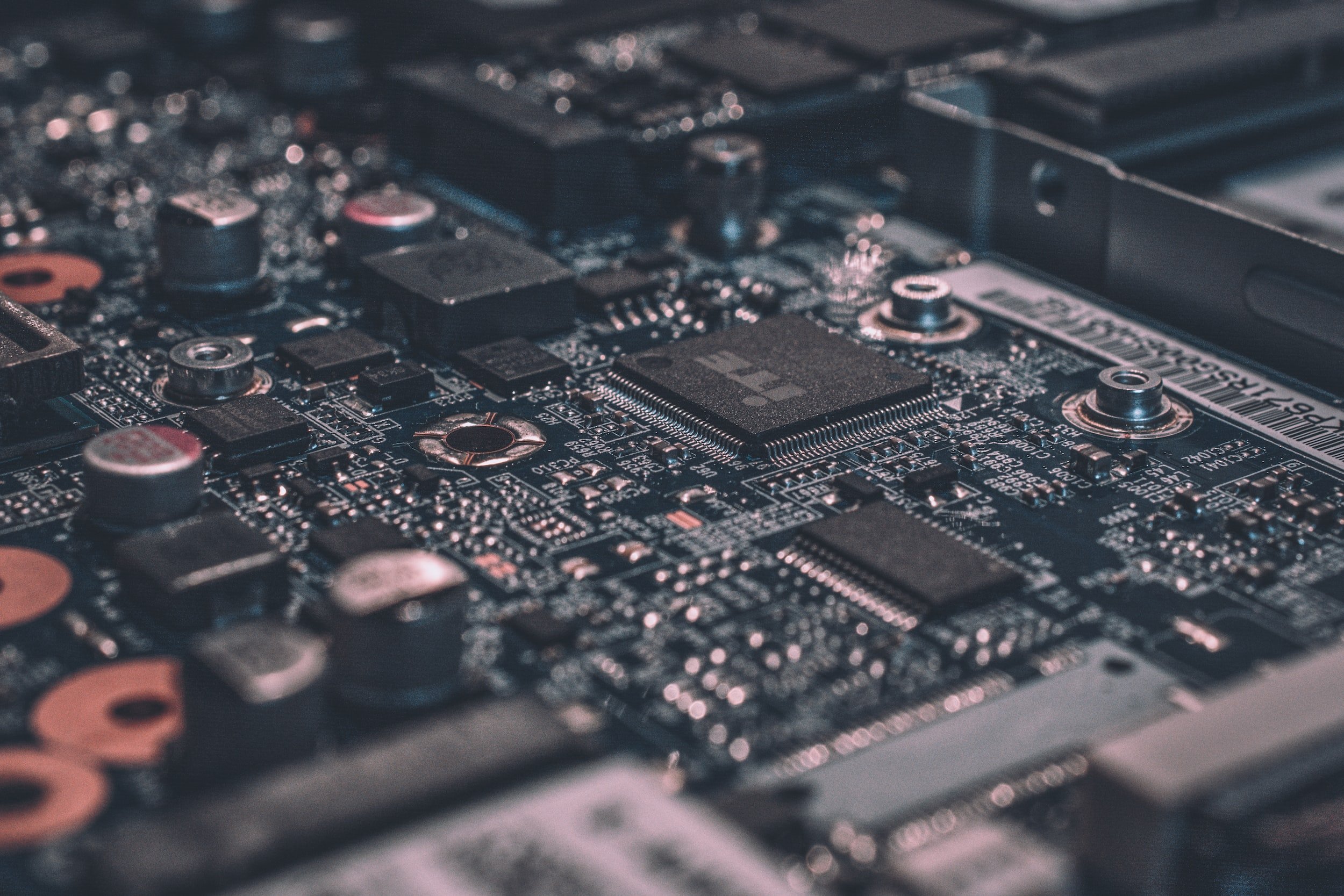
PCB fabrication and PCBA (printed circuit board assembly) are the most accessible categories for independent buyers. Vietnam has dozens of factories with SMT lines, both foreign-invested and domestic, that handle single-layer through multilayer boards at prices competitive with China. If your product involves a circuit board, Vietnam can very likely handle it.
Consumer electronics accessories are another well-established category. Chargers, power banks, cables, earbuds, phone cases, and LED lighting products are all manufactured here at scale. These product types have mature supply chains in Vietnam and reasonable MOQs.
Electronic components like connectors, cable assemblies, capacitors, and resistors are produced domestically, and the component base is growing year over year as more suppliers set up to serve the large multinationals already operating here.
Where Vietnam Is Developing
Finished consumer devices (such as custom IoT products, smart home devices, or wearables) can be manufactured in Vietnam, but finding the right factory takes significantly more effort. The factories that handle this type of work are fewer, harder to find online, and typically require higher minimum order quantities. This is one of the areas where having a local sourcing partner makes a real difference.
Industrial and specialized electronics, including automotive components, medical devices, and networking equipment, are possible but vary heavily by sub-category. You'll need to vet factories carefully to ensure they have the right certifications and experience.
Where You Should Still Look Elsewhere
Complex semiconductor fabrication and advanced chip manufacturing are not happening in Vietnam at any meaningful scale. The country has made semiconductor development a government priority, but actual production capacity is years away. If your product requires custom ICs or advanced chip packaging, China, Taiwan, or South Korea remain the realistic options.
For a broader view of what Vietnam can and can't manufacture across all product categories, see our guide on products made in Vietnam.
Electronics Sourcing in Vietnam Is Different

If you've sourced products from China before, you need to reset your expectations. Vietnam's electronics manufacturing ecosystem works differently in ways that directly affect your project.
The Factory Landscape Is Fragmented
In China, you can find dozens of competing suppliers for almost any electronics niche within a few hours on Alibaba. In Vietnam, the business landscape is more fragmented. Fewer factories have English-language websites, fewer are listed on global sourcing platforms, and many of the best manufacturers rely on referrals and direct relationships rather than online marketing. This means the discovery phase takes longer and requires more local knowledge.
Component Supply Chains Run Through China
This is the part that surprises most buyers. Even when your product is assembled in Vietnam, many of the components are imported from China. In 2024, Vietnam imported over $33 billion in electronic components from China alone. Your supply chain isn't fully decoupled from China just because final assembly happens in Vietnam. That's fine for most use cases, but it's something to factor into lead time estimates and risk planning.
Communication and Pace Are Different
Vietnamese factories tend to be more relationship-driven and less transactional than Chinese ones. Response times can be slower, especially during the quoting phase. This isn't a sign of disinterest. It's a cultural difference. But it does mean that if you're used to the speed and sales-oriented approach of Chinese suppliers, working with Vietnamese factories requires adjustment.

What the Sourcing Process Looks Like for Electronics
Here's what the process actually involves from start to finish, specifically for electronics products.
Step 1: Get Your Documentation Right
Electronics factories need more than a rough idea. At minimum, you should have a bill of materials (BOM), a PCB schematic or Gerber files (if applicable), a casing or enclosure design, and any label or packaging files. If you're working with a contract manufacturer for a finished product, you'll also need a clear product spec sheet outlining functionality, tolerances, and testing requirements.
The better your documentation, the more accurate your quotes will be, and the fewer factories will decline to quote entirely. Incomplete specs are one of the top reasons projects stall early.
Step 2: Identify and Pre-Qualify Factories
This is where sourcing electronics in Vietnam becomes harder than in other categories. You're looking for factories that have the right equipment (SMT lines, wave soldering, testing rigs), relevant certifications (ISO 9001 at minimum, plus UL or IEC standards depending on your market), and experience with products similar to yours.
Resources such as the Vietnam Electronic Industries Association (VEIA), trade shows in Ho Chi Minh City and Hanoi, and Vietnam-focused sourcing platforms can help surface candidates. For a full list, see our guide on finding suppliers in Vietnam. But honestly, for electronics specifically, the most reliable route is working through a sourcing company or a direct referral from someone already manufacturing in the country.
Step 3: Request Quotes and Evaluate
Once you've identified a shortlist, send your BOM and specs for quoting. Expect this phase to take longer than in China. Two to three weeks for detailed quotes is normal. When evaluating responses, look beyond unit price. Pay attention to how the factory handles questions about your specs, whether they flag potential issues or suggest improvements, and how detailed their quote breakdown is. A factory that pushes back on a design flaw is more valuable than one that says yes to everything.
Step 4: Order Samples and Run a Pilot
Always sample before committing. For PCBA work, order a small batch and test for solder quality, component placement accuracy, and functional performance. For finished products, test the complete assembly, including enclosure fit, labeling, and packaging.
If the sample is acceptable, consider a pilot run of 100 to 500 units before scaling. This catches production-level issues like consistency, yield rates, and packaging durability that don't show up in single samples.
Step 5: Visit the Factory
I recommend visiting any electronics factory before placing a production order. Walk the floor, inspect their ESD controls, look at their testing equipment, and meet the people who will be managing your production. A video call can tell you a lot, but being there in person tells you everything. For logistics and planning advice, see our guide to visiting factories in Vietnam.
Step 6: Production, Inspection, and Shipping
Once production starts, plan for a pre-shipment inspection. For electronics, this should include both visual inspection and functional testing of a statistical sample. If your product has regulatory requirements (CE, FCC, UL), ensure testing and certification are completed before the goods leave the factory.
Shipping from Vietnam to the US or Europe typically takes 2 to 4 weeks by sea, depending on the port. Factor in current tariff rates for your product's HS code, and always check the latest rates before finalizing your landed cost. Trade policy between the US and Vietnam is actively evolving. For a broader overview of logistics and manufacturing in Vietnam, see our Vietnam manufacturing and sourcing guide.
When Does a Sourcing Company Make Sense?
Not every electronics project needs a sourcing company. Here's an honest breakdown.
You Probably Don't Need One If...
You already have a direct relationship with a factory in Vietnam, your product is a standard item (like a common PCB design or an off-the-shelf accessory), or you have someone on your team who speaks Vietnamese and can manage the supplier relationship directly.
A Sourcing Company Adds Real Value When...
You're entering Vietnam for the first time and don't have any factory contacts. Electronics is the category where this matters most, because the best factories aren't findable through a Google search.
You need to compare multiple factories and evaluate their technical capabilities side-by-side. Doing this remotely, without local presence, is extremely difficult for electronics.
You have a custom product with a complex BOM, certification requirements, or IP concerns. A sourcing partner can help you navigate NNN agreements, identify factories with the right certifications, and manage the sampling and quality inspection process.
Your team doesn't have the capacity to manage an overseas supplier relationship. Electronics production involves more back-and-forth than most other product categories, from component-substitution decisions to test-protocol alignment.
Notable Electronics Manufacturers in Vietnam
The factories listed below are some of the larger, more established electronics manufacturers in Vietnam. They're the ones with websites, certifications on display, and enough of a track record to be findable through online research. But it's worth being upfront: these represent only the most visible slice of Vietnam's electronics manufacturing base. Many of the factories that are the best fit for small-to-mid-size buyers, particularly for custom PCBA work, low-volume production, or specialized applications, don't appear in Google search results. They operate through referrals, industry relationships, and local networks, which is one of the main reasons sourcing electronics in Vietnam is harder to do remotely than in China.
With that context, here are some names worth knowing:
Trungnam EMS
A Vietnamese EMS provider established in 2020 that has grown quickly. Based in a 2,000+ square meter facility, they operate three SMT lines and handle PCB/PCBA assembly, design, engineering, and box builds. Their production capacity reaches up to 7 million products per year, serving industries including IoT, medical tech, renewable energy, and GPS tracking.
M1 Communication
A subsidiary of Viettel Group (Vietnam's largest telecom provider), M1 operates out of a 5,000-square-meter facility in Hanoi with four SMT lines. They produce PCBAs, mobile phones, wireless products, and optical network termination equipment, with an annual capacity exceeding 7 million products. Their client list includes Panasonic and Vitronics.
Jing Gong Electronics Vietnam
A Taiwanese-invested PCB manufacturer based in Binh Duong, operating since 2007 with over 20 years of parent company experience. They produce circuit boards for applications including LED lighting, sound equipment, UPS systems, and consumer appliances.
Sunching Electronics Vietnam
Another Taiwanese PCB specialist in Binh Duong was established in 2001. They hold ISO 9001 and ISO 14001 certifications, have passed UL for product safety, and are recognized as green partners with Sony and Canon. They offer single-layer and multilayer PCBs and PCBA assembly.
Thanh Long JSC
Located in Bac Ninh's HAPLINH Industrial Zone, Thanh Long manufactures PCBs and coil transformers. Their 15,000-square-meter facility holds ISO 9001, ISO 14001, and UL certifications. Their client roster includes Samsung, Canon, and Mettel.
TC Group
Founded in 2007 in Ho Chi Minh City, TC Group specializes in set-top boxes, cable TV equipment, PCBA, and customized electronics. They operate facilities totaling over 14,000 square feet with over 200 workers.
These are a starting point for understanding the types of manufacturers operating in Vietnam, not a shortlist. The right factory for your project depends on your product specs, volume, and quality requirements, and in most cases, the best match will be a factory you won't find through online research alone.
Common Mistakes to Avoid
After a decade of sourcing in Vietnam, these are the issues I see come up repeatedly with electronics projects.
Assuming Vietnam Works Like China
Factories here are often less responsive to cold outreach, less likely to have polished English-language sales materials, and less willing to take on very small orders. None of this means the quality is lower. It means the market operates differently, and you need to approach it accordingly.
Skipping the Factory Visit
For electronics, this is a bigger risk than for most other product categories. The difference between a factory with proper ESD protocols and testing equipment and one without is hard to assess remotely, but obvious in person.
Underestimating Lead Times
Between component procurement (often from China), production, testing, and shipping, a first order can easily take 12 to 16 weeks from confirmed specs to delivery. Plan accordingly.
Choosing on Price Alone
The cheapest quote often comes from the factory least able to meet your quality requirements. In electronics, rework and defective products are far more expensive than paying a bit more per unit upfront.
Source Electronics in Vietnam with Cosmo Sourcing
Cosmo Sourcing has been helping clients navigate Vietnam's manufacturing landscape since 2014. We're a sourcing company, not an agent, and we work on a flat-fee model with full transparency. You get original factory quotes with no markups, complete factory contact information, and direct introductions.
For electronics projects, our Ho Chi Minh City team handles the parts that are most difficult to handle from overseas: factory identification and technical pre-qualification, sample coordination, on-site quality inspections, and shipping logistics. We typically get 2 to 6 quotes from vetted factories for each project, so you're comparing real options rather than guessing.
Get in touch:
Email: info@cosmosourcing.com
Visit: cosmosourcing.com/contact-us