
COSMO SOURCING BLOG

How To Find Denim Manufacturers In Mexico // What Type Of Jeans Are Made In Mexico?
In the competitive world of fashion and apparel, finding the right manufacturing partner can make or break your brand. Selecting a manufacturer that aligns with your quality standards, production needs, and values is crucial for long-term success in today's demanding market. The decision impacts everything from your product quality to delivery timelines and your brand reputation.
Mexico has emerged as a powerhouse in denim production, offering unique advantages for brands looking to optimize their supply chain without sacrificing quality. With decades of expertise producing premium denim garments for global brands, Mexican manufacturers are an increasingly attractive alternative to Asian sourcing. The combination of skilled craftsmanship, geographical proximity to North American markets, and favorable trade agreements has positioned Mexico as a strategic manufacturing hub.

How To Source Nitrile Glove Manufacturers in Malaysia
In today's global marketplace, nitrile gloves have become essential protective equipment across numerous sectors. From healthcare facilities and laboratories to food processing plants and industrial settings, these synthetic rubber gloves offer superior puncture resistance, chemical protection, and allergy-friendly alternatives to latex options. The COVID-19 pandemic dramatically highlighted their critical importance in infection control protocols worldwide, transforming nitrile gloves from specialized medical products into universally recognized safety essentials. This heightened awareness has created sustained demand across both traditional and emerging applications, from healthcare and life sciences to food service, automotive, and chemical industries.
At the center of this critical supply chain stands Malaysia - a nation that has emerged as the undisputed global powerhouse in nitrile glove manufacturing. Malaysian producers currently account for approximately 65% of the world's nitrile glove supply, leveraging decades of expertise in rubber technology, strategic government support, and substantial investments in cutting-edge production facilities. This manufacturing dominance is built upon a foundation of technical innovation, stringent quality control systems, and an intimate understanding of international regulatory requirements across major markets. Malaysian manufacturers have consistently demonstrated their ability to adapt to changing market conditions, maintaining supply chain resilience even during periods of unprecedented global demand.

PCB Assembly in the Philippines // Sourcing and Manufacturing Electrnics in The Philippines
The global electronics manufacturing industry continues to evolve rapidly, with printed circuit board (PCB) assembly remaining a critical component of the supply chain. In today's interconnected world, electronic devices power virtually every aspect of modern life—from smartphones and medical equipment to automotive systems and industrial machinery. Recent global events, including pandemic-related disruptions, geopolitical tensions, and rising costs in traditional manufacturing hubs, have accelerated the adoption of "China+1" diversification strategies, pushing companies to seek resilient alternatives for their electronics production needs.
The Philippines has emerged as an increasingly attractive destination for PCB assembly, offering a compelling combination of advantages that set it apart from other emerging manufacturing locations. With its strategic location in Southeast Asia, English-proficient technical workforce, and established manufacturing infrastructure dating back to the 1980s, the country provides a mature ecosystem for electronics production. Unlike newcomers to the electronics manufacturing scene, Philippine factories have decades of experience producing everything from simple PCBs to complex, multi-layer assemblies for demanding applications like automotive electronics and medical devices, all while maintaining international quality standards at competitive price points.

Latin America Product Sourcing Guide // What Products are Made in Latin America, and what are the Tariffs
In the evolving global trade landscape, businesses continually seek new regions to diversify supply chains, reduce costs, and access unique products. With its abundant natural resources, expanding manufacturing base, and strategic proximity to North American markets, Latin America offers compelling opportunities for forward-thinking companies. However, recent U.S. tariff implementations have created a new economic reality that necessitates reassessing sourcing strategies to maintain cost efficiency and supply chain resilience.
This comprehensive guide explores how businesses can navigate Latin American sourcing after these significant policy changes, identifying opportunities while mitigating new challenges.

What is Friend-Shoring? // How To Improve Your Supply Chain With The Looming Trade War
In today's increasingly complex global landscape, a new economic strategy has emerged that fundamentally reshapes international trade relationships and supply chain configurations. Known as "friend-shoring" (or sometimes "friend-shoring"), this approach represents a significant pivot from the purely efficiency-driven globalization model that has dominated international commerce for decades. Businesses and governments are now reevaluating their dependencies and prioritizing partnerships with nations with similar values, political systems, and strategic interests—even when these arrangements may not offer the lowest possible production costs.
The catalyst for this dramatic shift can be traced to a confluence of disruptive global events that exposed critical vulnerabilities in the worldwide supply network. The COVID-19 pandemic revealed how quickly essential supply chains could collapse, leaving nations scrambling for medical supplies and critical components. Simultaneously, escalating tensions between democratic and authoritarian powers—exemplified by conflicts like Russia's invasion of Ukraine and growing competition with China—demonstrated the risks of economic interdependence with potentially adversarial nations. These wake-up calls have forced a fundamental reassessment of how supply chains should be structured in an era where geopolitical considerations can no longer be separated from economic decisions.

Tariff Survival Guide // How To Protect Your Business From The Trade Wars
On April 2, 2025, President Donald Trump announced a comprehensive set of tariffs during what he termed "Liberation Day." This policy introduces a universal 10% tariff on all imported goods, effective April 5, 2025, at 12:01 a.m. EDT. Additionally, higher, country-specific tariffs—"reciprocal tariffs"—will be imposed on nations with significant trade surpluses with the United States, taking effect on April 9, 2025, at 12:01 a.m. EDT.
These measures address longstanding trade imbalances and are expected to impact many imported products, including automobiles, electronics, and agricultural goods. Introducing these tariffs has led to concerns about increased operational costs, potential supply chain disruptions, and consumer price adjustments. Economists warn that these policies may elevate inflation rates and heighten the risk of a recession.

What Products are Made in Thailand // Thai Product Manufacturing and Sourcing
Thailand has emerged as one of Southeast Asia's most vibrant manufacturing and export hubs, offering e-commerce businesses and small to medium enterprises (SMEs) a treasure trove of high-quality products at competitive prices. With its strategic location, well-developed infrastructure, and rich cultural heritage, Thailand presents unique opportunities for businesses looking to diversify their product offerings and supply chains.
What makes Thailand particularly attractive for product sourcing? First, the country boasts a remarkable combination of traditional craftsmanship and modern manufacturing capabilities. Second, Thai products often feature unique designs and exceptional quality that can help differentiate your business in crowded marketplaces. Third, the Thai government actively supports export activities through various initiatives and trade agreements, creating a business-friendly environment for international buyers.

What Does Cut, Make, & Trim (CMT) Mean?
When you browse clothing racks at your favorite retailer, each garment represents the culmination of decisions made across continents, connecting designers in fashion capitals with manufacturers often thousands of miles away. The CMT model is the invisible framework that facilitates this global dance of production, allowing brands to maintain creative control while leveraging specialized manufacturing expertise wherever it exists.
With approximately 80% of apparel brands utilizing some form of CMT in their supply chains, this arrangement has become the industry standard for everything from basic t-shirts to luxury apparel. Fast fashion giants like Zara and H&M, mid-market stalwarts such as Gap and Uniqlo, and even many luxury houses rely on variations of the CMT model to bring their designs to life at scale.

What Is a Customs Broker and What Do They Do?
Customs brokers are professional intermediaries who specialize in streamlining the import and export process. They possess in-depth knowledge of international trade laws and regulations, which allows them to effectively manage the documentation and compliance steps necessary for cross-border transactions.
By preparing the required paperwork and ensuring that each shipment meets legal requirements, customs brokers help businesses avoid time-consuming delays and potential penalties. Their expertise in areas like classification, valuation, and duty assessment guarantees that your goods move seamlessly through customs checkpoints.

What Are The 7 Types of Products // The Ultimate Guide to Product Classification
Products are everywhere. From the groceries we buy at the local store to the machinery that powers entire manufacturing operations, products play an integral role in daily life and the global economy. Understanding the different types of products is more significant than it might initially seem. It allows businesses to develop targeted marketing strategies, set informed pricing models, and refine sales techniques. It also helps consumers make better purchasing decisions, budget effectively, and grasp personal spending habits.
This article explores seven distinct product categories, divided between consumer products (intended for personal use) and industrial or business products (used in organizational operations or as inputs for other goods and services). Ultimately, you will gain valuable insights into how these classifications shape the market and consumer behavior.

What Are Alibaba Verified Suppliers?
Finding a reliable manufacturing partner when sourcing internationally can be challenging, but it is essential for establishing a long-term, successful business relationship. Alibaba, China's largest online B2B marketplace, connects factories and suppliers with international buyers, facilitating billions of dollars in trade annually.
One of Alibaba’s supplier classification programs is the Verified Supplier designation, a trust signal for buyers. But what does this tag mean? Is it just a paid membership that any supplier can obtain, or does it involve a legitimate vetting process to ensure reliability?
This guide will provide a detailed analysis of the Alibaba Verified Supplier program, including its requirements, benefits, and how it compares to Gold Suppliers.

How to Find Lacquerware Factories in Vietnam // Best Lacquerware Facotires In Vietnam List
Vietnamese lacquerware is one of the country’s most distinguished traditional crafts. It is admired for its vibrant colors, intricate detailing, and glossy finish. Rooted in centuries-old craftsmanship, lacquerware is widely used for decorative home accessories, tableware, and furniture. The art of lacquerware involves multiple layers of resin coating, sanding, and polishing, resulting in a smooth, durable surface that enhances the beauty of the designs.
Vietnam is home to numerous lacquerware manufacturers, from small artisan workshops to large-scale factories that cater to international markets. The demand for Vietnamese lacquerware continues to grow due to its reputation for high-quality craftsmanship and competitive pricing. Whether you are looking for hand-painted pieces, minimalist modern designs, or custom-made lacquerware, Vietnam has a diverse selection of producers to meet your needs.

How to Find Uniform Manufacturers in Vietnam
Vietnam's garment sector exported approximately $44 billion in 2024 and is on pace to exceed $46 billion in 2025, making it one of the world's largest apparel exporters. Uniforms, from corporate polos and hotel staff wear to medical scrubs and industrial workwear, represent a growing share of that output. If you're sourcing uniforms from Vietnam for the first time, this guide covers how to find factories, what to expect regarding pricing and MOQs, and the most common mistakes I see buyers make.
I'm Jim Kennemer, founder of Cosmo Sourcing. We've been based in Vietnam since 2012 and have helped over 4,000 clients source more than 10,000 products across Southeast Asia. Uniforms are one of the most common product categories we handle, and I've visited dozens of uniform factories across the country. Here's what I've learned.

What is EAU (Estimated Annual Usage) in Sourcing?
EAU (Estimated Annual Usage) is a crucial metric in sourcing that represents the projected quantity of materials, components or finished goods an organization expects to source from suppliers over 12 months. It is a key factor in supply chain planning, helping businesses align their procurement strategies with demand forecasts to maintain efficiency and cost control. By understanding EAU, companies can avoid over-purchasing, under-stocking, and unexpected disruptions in their sourcing operations.
Companies across industries rely on EAU to develop stronger supplier relationships and ensure consistent product availability. It allows businesses to negotiate better pricing and production timelines, as suppliers are more likely to offer favorable terms when they clearly understand long-term demand. Additionally, EAU plays a vital role in contract agreements, enabling organizations to lock in rates and secure priority production slots.

The Risks of Global Sourcing in Procurement
Global sourcing has become an essential strategy for companies seeking to reduce costs, improve efficiencies, and access a broader range of suppliers. Sourcing internationally allows businesses to take advantage of competitive pricing, specialized expertise, and economies of scale. While the benefits can be significant, global sourcing also introduces unique risks that must be carefully managed to avoid supply chain disruptions, compliance issues, and reputational damage.
Procurement professionals must navigate a complex landscape of regulatory requirements, supplier relationships, and logistical challenges. The geographical distance between buyers and suppliers can lead to quality control issues, delays, and miscommunications. Additionally, companies must be aware of ethical concerns, such as labor conditions and environmental sustainability, which regulators and consumers increasingly scrutinize.

What are the Four Pillars of Strategic Sourcing?
n today’s fast-paced and highly competitive business environment, strategic sourcing is critical to enhancing procurement efficiency and driving long-term value. By integrating data-driven decision-making and fostering strong supplier partnerships, organizations can achieve cost savings, improve product quality, ensure supply chain sustainability, and stimulate innovation. This article explores the four fundamental pillars of strategic sourcing: key elements that create a resilient and high-performing procurement strategy.
As global supply chains become increasingly complex, procurement teams must navigate fluctuating market conditions, resource constraints, and growing demands for ethical sourcing. A structured strategic sourcing approach provides organizations with the framework to optimize supplier selection, improve contract compliance, and build collaborative relationships that drive business growth.

The Ultimate Guide to Activewear Fabrics // The Best Material for Sports Clothes
The right fabric can make all the difference in activewear's performance, comfort, and durability. Choosing the right material impacts how well your gear wicks moisture, regulates temperature and stretches with your movements. Whether you're engaged in high-intensity workouts, outdoor running, yoga, or cycling, the fabric of your workout clothes plays a crucial role in ensuring comfort and efficiency.
Activewear fabrics are designed to provide a combination of breathability, flexibility, and durability, but not all materials offer the same benefits. Some fabrics are great for wicking sweat away, while others provide insulation for cold-weather training. Sustainable options also cater to eco-conscious consumers looking for environmentally friendly alternatives.

What is De Minimis // How Does De Minimis Affect E-Commerce and Product Sourcing
De minimis is a trade policy concept that establishes a threshold below which imported goods are exempted from customs duties and taxes. This threshold varies by country and determines when an imported package requires formal customs clearance and duty payments. The de minimis rules streamline low-value shipments, reduce customs authorities' administrative burdens, and expedite trade.
De minimis is crucial in determining cost structures and logistics strategies for e-commerce businesses and product sourcing specialists. Companies that rely on cross-border shipping can leverage de minimis thresholds to minimize import costs and enhance delivery speeds. However, recent regulatory changes in key markets are reshaping the landscape of duty-free shipping.
Best Fabrics for Underwear // Ultimate Guide to Comfort, Breathability, and Durability
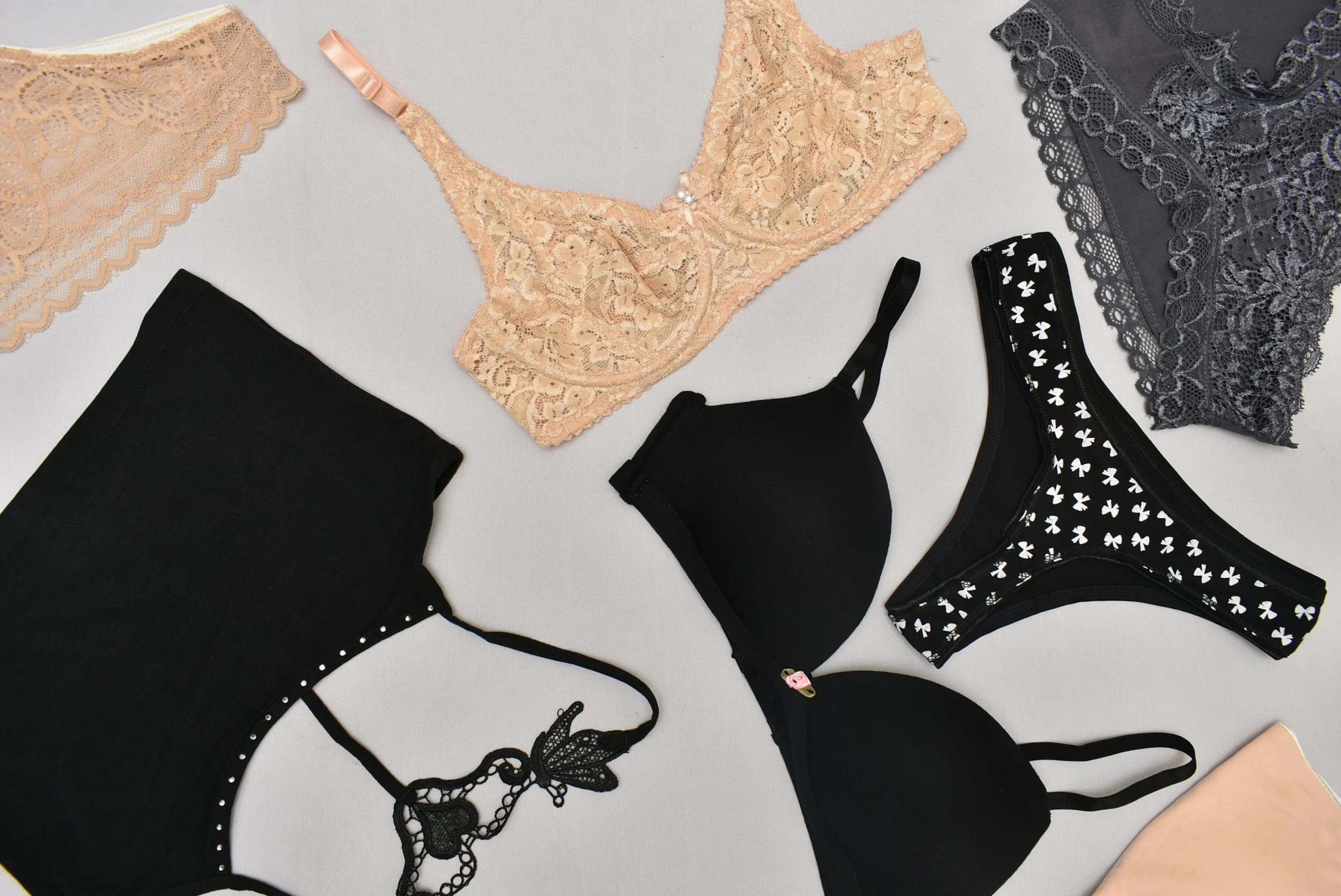
The perfect underwear fabric should be soft, breathable, moisture-wicking, and durable. Whether you prefer natural fibers like cotton and bamboo or high-performance synthetic materials such as polyester and spandex, the choice ultimately depends on your lifestyle, activity level, and personal preferences. Some fabrics provide extra support and structure, while others prioritize breathability and lightweight comfort. Moreover, specialized materials can help regulate temperature, reduce odor, and offer eco-friendly benefits.
This guide explores the various fabric choices available for underwear, their advantages and disadvantages, and how to determine which material is best suited for your needs. Understanding the differences between natural and synthetic fibers allows you to select underwear that aligns with your comfort, performance, and sustainability goals.

Top Clothing, Garment, and Apparel Manufacturing Countries Guide
If you're looking to manufacture clothing and apparel, choosing the right country for your production is one of the most critical decisions. The global textile and apparel industry is vast, with numerous countries offering unique advantages in terms of cost, quality, expertise, and ethical labor practices. While China remains the largest clothing exporter, several other nations are rising as strong competitors, providing better pricing, labor conditions, and material quality.
Before diving into the top manufacturing countries, it is important to understand the factors that make a country a prime location for apparel production. Key considerations include cost efficiency, labor expertise, infrastructure, raw material availability, and trade agreements. Each element determines a country's ability to provide high-quality and competitively priced garments to global markets.
This guide ranks the top 12 clothing manufacturing countries based on their export value, production capabilities, and industry strengths.