Top 8 Bedding Manufacturers in Vietnam: Verified List + Sourcing Guide
Vietnam is one of the strongest countries in Southeast Asia for sourcing bed sheets, duvet covers, pillowcases, quilts, and mattress protectors. The combination of an experienced textile workforce, competitive pricing, and favorable trade agreements under the CPTPP and EVFTA makes it a practical alternative to China for buyers who need quality bedding at scale. At Cosmo Sourcing, we have sourced home textiles from Vietnamese factories since 2014, and bedding is one of the product categories where Vietnam consistently delivers.
This guide covers what you can realistically source, where production is concentrated, a verified list of manufacturers based on actual export customs data, and the quality control issues specific to bedding that most buyers learn the hard way. If you are evaluating Vietnam for bedding production, our Vietnam sourcing guide covers the broader landscape, logistics, and trade agreement details.
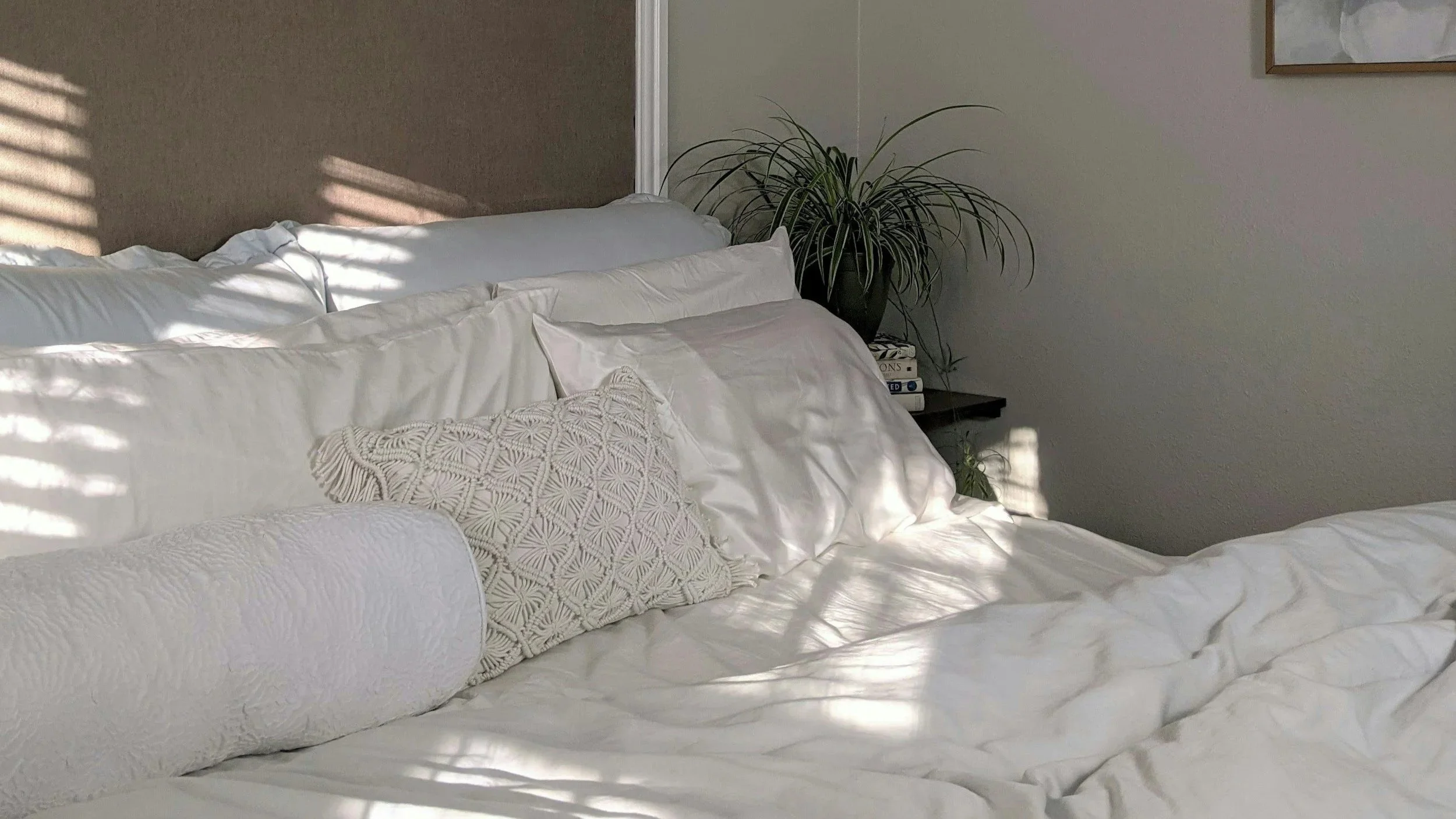
To find and vet bedding manufacturers in Vietnam, you need to: (1) confirm your product category is a strong fit for Vietnamese factories, (2) focus your search on the right manufacturing region, (3) verify a factory's export history through customs data rather than relying on directory listings, and (4) test materials and specify QC tolerances before committing to a production order. The rest of this guide walks through each step.
What Bedding Products Can You Source from Vietnam?
Vietnam's strength in bedding sits squarely in woven and sewn textile products. If your product is primarily fabric-based, Vietnam is likely a strong fit. If it involves complex foam engineering or spring assembly, the options narrow significantly.
Bed Sheets and Pillowcases
This is Vietnam's strongest bedding subcategory. Factories produce flat sheets, fitted sheets, and pillowcases in cotton (percale and sateen weaves), cotton-polyester blends, bamboo viscose, lyocell (Tencel), and linen. Expect MOQs of 500-1,500 sets per style for standard fabrics. Custom prints or jacquard weaves increase MOQs, typically to 2,000 to 3,000 sets.
Duvet Covers and Comforters
Cotton and polyester-filled duvet covers and comforters are widely produced, especially in the southern provinces. Down-filled products exist but are less common because Vietnam imports most down feathers. Synthetic-fill comforters are the more cost-effective option here. MOQs typically start at 500 to 1,000 pieces for standard fills and fabrics.
Quilts and Bedspreads
Quilted products have a long production history in Vietnam, particularly in the northern provinces where hand-quilting techniques have been practiced for generations. Machine-quilted and patchwork quilts are available at MOQs as low as 300-500 pieces from some smaller factories.
Mattress Protectors and Toppers
Several factories produce waterproof and hypoallergenic mattress protectors, often the same ones that make fitted sheets (since the sewing construction is similar). Latex mattress toppers are a niche strength for Vietnam, a major natural latex producer. Foam mattresses and spring mattresses are a different story, with only a handful of factories serving the export market.
What Vietnam Does Not Do Well for Bedding
Spring mattress manufacturing for export is limited to a few specialized companies. Memory foam production exists but is not yet a major export category. If your primary product is foam or spring mattresses, you may find better depth in China or Southeast Asian alternatives. For a broader view of home textile options beyond bedding, including towels, curtains, and upholstery fabric, we have a separate guide. If linen bedding specifically is your focus, that guide goes deeper on linen sourcing and fabric quality.
Where Bedding Manufacturing Happens in Vietnam
Vietnam's bedding production is concentrated in two regions, and the distinction matters when you are choosing a factory.
Southern Provinces (Binh Duong, Dong Nai, Long An, Ho Chi Minh City)
The South is the primary hub for export-oriented bedding manufacturing. Factories here tend to be larger, more experienced with international buyers, and better equipped for high-volume orders. Port access via Cat Lai and Cai Mep means shorter lead times from the production floor to the container. Most of the customs-verified exporters listed below ship from ports in the Vung Tau or Ho Chi Minh City areas. Our own office in Binh Duong Province gives us direct access to this cluster, and the majority of bedding projects we manage for clients are produced in this region.
Northern Provinces (Hai Phong, Nam Dinh, Thai Binh)
The north has particular strength in embroidered bedding, hand-finished products, and quilted items. Factories here are often smaller and more suited to specialty or mid-volume orders. Export shipments from northern factories typically depart through Hai Phong port. Several embroidery-focused bedding exporters in the verified list below are based in or ship from this region. For context on how the northern clothing manufacturing cluster overlaps with textile expertise applicable to bedding, see our Vietnam clothing guide.
Verified Bedding Manufacturers in Vietnam
The following manufacturers appear in U.S. import customs records with documented bedding export shipments (ImportYeti data, pulled March 2026). We use this data to verify that a company is actively manufacturing and exporting bedding products, rather than relying on directory listings or self-reported claims. This is not a comprehensive directory of every bedding factory in Vietnam. Factories that primarily export to Europe, Australia, Japan, or other markets may not appear here because this data source tracks U.S. imports specifically.
If you are not sure which of these manufacturers fits your product, order volume, or certification requirements, that is exactly what Cosmo Sourcing helps with. We are a sourcing company (not a factory) with a physical office in Binh Duong, Vietnam, and we have been matching buyers with the right Vietnamese manufacturers since 2014. Book a call to discuss your bedding project.
Sigma Long An
Based in Long An Province (southern Vietnam), Sigma Long An exports linen and cotton bedding, including duvet covers, fitted sheets, and pillowcases. Customs records show shipments to both the U.S. East and West Coasts. They also produce cotton jersey bedding and polyester bed pads. A solid option for buyers looking for linen or linen-blend bedding with moderate order volumes.
Green Sun Embroidery
A Hanoi-area manufacturer specializing in embroidered bedding products, including flatsheets, fitted sheets, pillowcases, duvet covers, tablecloths, and napkins. Customs data confirms multiple export shipments of embroidered cotton bedding. If your product line involves embroidery or decorative stitching on bed linens, Green Sun is one of the few verified exporters in this niche.
Merry Viet Nam Home Textiles
Ships from the southern port cluster (Vung Tau) and specializes in lyocell (Tencel) bedding, including pillowcases, duvet covers, and fitted sheets. Lyocell is a growing material category for eco-conscious bedding brands, and finding a Vietnamese factory with verified export experience in this fabric is valuable.
Cheer Ascent Vietnam Home Textiles
Another southern-based exporter with customs-verified shipments of lyocell pillowcases, duvet covers, fitted sheets, and linen cushion covers. Appears to focus on premium natural and semi-synthetic fibers. Two related entities appear in customs data (Cheer Ascent Viet Nam and Cheer Ascent Vietnam Home Textiles), suggesting the company may operate multiple product lines or facilities.
Quang Thanh
Ships from Hai Phong (northern Vietnam) and exports cotton bed sheets along with linen table cloths and napkins. Multiple shipment records suggest consistent export activity. A good lead for buyers interested in cotton bedding from the northern manufacturing cluster, particularly if table linens are also part of your product range.
Artexport Hanoi
A northern Vietnam exporter of embroidered pillowcases, tablecloths, bed sheets, and duvet covers. The embroidery focus aligns with the traditional craft strengths of the Hanoi region. Lower volume based on customs data, which may indicate a focus on smaller, more specialized orders.
Hava's (Hava S)
One of the larger mattress and bedding accessories manufacturers in Vietnam, with a factory in Binh Duong Province. Customs records show exports of mattress covers, foam sheets, and bedding accessories. Hava's has been in operation for over 25 years and primarily serves the mattress and compressed bedding segment rather than flat textile bedding.
Better Textile Garment
A high-volume exporter shipping from Vung Tau with 125 aggregated shipments in the dataset, the highest volume of any supplier in this category. However, their product focus is medical and disposable bedding, including stretcher sheets, disposable pillowcases, and hospital bedding. Relevant if your product line includes healthcare or institutional bedding, but not a match for consumer retail bedding.
How to Evaluate and Vet a Bedding Factory
Finding a manufacturer is the easy part. Evaluating whether they can consistently produce your product at the quality level you need is where most sourcing projects succeed or fail.
Request Fabric Swatches Before Samples
Before committing to a full sample order, ask for fabric swatches in the specific material and thread count you need. This tells you immediately whether the factory has access to the right raw materials. In our experience, about one in three factories that claim to produce "high thread count cotton sateen" will send swatches that do not match the specification. Testing swatches costs almost nothing and saves weeks.
Specify Wash Testing Requirements
Bedding gets washed repeatedly, and shrinkage is the single most common quality issue we see with Vietnamese bedding factories. We learned this early when a client's first cotton percale sheet order returned with shrinkage of over 6% after washing, well above the 3% tolerance they needed for their retail packaging. The factory had not pre-shrunk the fabric. Cotton products can shrink 3% to 8% after the first wash, depending on the fabric treatment. Require pre-shrunk fabric or specify the maximum allowable shrinkage in your purchase order, and ask the factory for wash-test results before approving production.
Color Matching on Dyed and Printed Fabrics
Color consistency across a production run is harder than it sounds, especially with reactive dyes on cotton. Insist on a lab dip approval process where the factory sends dyed fabric samples for your sign-off before bulk dyeing begins. We typically recommend a Delta E tolerance of 1.0 or less for solid colors. Without this step, you risk receiving sheets with noticeable color variation between packages.
Check Stitching and Seam Quality
Examine hem stitching, elastic casing on fitted sheets, and seam allowances on duvet covers. Loose stitching or inadequate seam allowances lead to product failures after a few wash cycles. For fitted sheets specifically, check that the elastic tension is consistent around the entire perimeter. Uneven elasticity is a common defect that is easy to miss in initial inspection but causes customer complaints.
Verify Certifications
If your market requires OEKO-TEX Standard 100, GOTS (organic), or specific fire retardancy certifications, verify these directly with the certifying body, not just the factory's claims. Certification status can lapse, and some factories will reference expired certificates.
Common Sourcing Challenges Specific to Bedding
Custom Print and Pattern MOQs
Standard solid-color bedding has manageable MOQs (500 to 1,500 sets). Custom digital or rotary prints increase minimums significantly because the printing setup has fixed costs. Expect 2,000 to 5,000 meters of fabric minimum for custom prints, which translates to roughly 1,500 to 3,500 bedding sets depending on the product. If you are launching with a small collection, consider starting with solid colors or stock patterns and adding custom prints once volumes justify it.
Fabric Weight Consistency
Bedding buyers specify fabric by thread count and GSM (grams per square meter). Variation across fabric rolls is a real issue, particularly with blended fabrics. A 10% GSM variance within a single order is not unusual if you do not specify tolerances upfront. Include an acceptable GSM range in your purchase order and require the factory to test each fabric roll.
Packaging for Compressed Bedding
If you are selling bedding through e-commerce channels, compressed and vacuum-sealed packaging can dramatically reduce shipping costs. Not every bedding factory has compression equipment. Confirm this capability early, and test that the product recovers its loft properly after being compressed for an extended period.
Lead Time Spikes Around Tet
Vietnamese New Year (Tet) falls in January or February each year, and factories typically shut down for 2 to 3 weeks. The ripple effect on lead times starts six to eight weeks before Tet and can last a month after. If your product launch depends on a Q1 delivery, plan your order timeline around this. For buyers comparing Vietnam to other sourcing countries, this seasonal disruption is worth factoring into your decision.
Start Your Bedding Sourcing Project with Cosmo Sourcing
Finding the right bedding manufacturer in Vietnam takes more than a Google search. It requires verifying export history, testing materials, negotiating MOQs, and managing quality control through production. Cosmo Sourcing has had a team on the ground in Vietnam since 2014, and we work on a flat fee with no factory commissions, so our recommendations are based solely on what is the best fit for your project.
Schedule a free consultation to discuss your bedding sourcing requirements, or email us at info@cosmosourcing.com to get started.