Home Decor and Home Goods Sourcing in Vietnam
Vietnam is one of the world's top sources for handcrafted and manufactured home decor, producing everything from ceramics and lacquerware to rattan baskets, bamboo furnishings, and silk textiles. The country's handicraft sector exported an estimated $2 billion in 2024, with products reaching 163 countries. For retailers, interior designers, hospitality buyers, and e-commerce sellers looking for quality home goods at competitive prices, Vietnam consistently delivers on both craftsmanship and value.
At Cosmo Sourcing, we have helped clients source home decor from Vietnam since 2014. I have personally visited dozens of handicraft factories and workshops across the country, from ceramic kilns in Bat Trang near Hanoi to rattan weaving villages in the Mekong Delta. This guide covers the main product categories, how to find and evaluate suppliers, and what to expect when managing the sourcing process.
Updated February 20, 2026

What Home Decor Products Can You Source From Vietnam?
Vietnam's home decor industry is built on centuries of artisan tradition combined with modern production capacity. The country's tropical climate provides abundant raw materials (bamboo, rattan, water hyacinth, seagrass), while its workforce brings deep expertise in hand-finishing techniques that are difficult to replicate elsewhere.
Here are the main product categories sourced from Vietnam:
Ceramics and Pottery
Ceramics remain one of Vietnam's signature exports. Production centers like Bat Trang (near Hanoi) and Binh Duong (near Ho Chi Minh City) produce everything from hand-painted dinnerware and decorative vases to large-format garden pots. Quality ranges from artisan-grade hand-thrown pieces to high-volume slip-cast production.
Bamboo and Rattan Products
Bamboo and rattan are major strengths. Vietnam holds a significant share of the global bamboo and rattan market, and the country has over 1,000 bamboo handicraft villages. Products include storage baskets, lampshades, trays, planters, wall decor, and small furniture. For a deeper look at this category, see our guide to rattan and wicker suppliers in Vietnam.
Lacquerware
Lacquerware is a traditional Vietnamese art form. Artisans apply multiple layers of natural lacquer resin over wood or composite bases, creating trays, boxes, vases, wall panels, and decorative bowls with a distinctive high-gloss finish. The best lacquerware involves 15 to 20 coats applied over several weeks.
Wooden Home Decor
Wooden home decor includes carved panels, picture frames, serving trays, bookends, and decorative sculptures. Vietnam's wood manufacturing industry is one of the largest in Southeast Asia, with access to sustainably sourced acacia, rubberwood, mango wood, and bamboo.
Textiles and Embroidered Goods
This category covers cushion covers, table runners, wall hangings, quilts, and decorative throws. Vietnamese embroidery, particularly silk embroidery from traditional craft villages, is highly detailed. For sourcing bedding, bath, and soft furnishings, see our home textiles guide.
Water Hyacinth and Seagrass Products
Water hyacinth and seagrass are an increasingly popular eco-friendly category. Factories weave these natural fibers into baskets, storage bins, placemats, pet beds, and wall decor. The material is renewable, biodegradable, and pairs well with contemporary interior styles.
Mother-of-Pearl Inlay
Mother-of-pearl inlay is a distinctly Vietnamese craft. Artisans inlay thin slices of freshwater mother-of-pearl into lacquered wood to create furniture panels, trays, jewelry boxes, and wall art. The technique is labor-intensive and produces items with a look that is difficult to source outside of Vietnam.
Other Categories
Other notable categories include handmade paper lanterns (particularly the iconic Hoi An silk lanterns), stone carvings and marble work, brass and copper metalwork, hand-blown glassware, and terracotta planters and garden pots.
One thing I have noticed across hundreds of factory visits in Vietnam: the best home decor factories tend to specialize. A factory that excels at rattan weaving usually does not also produce great ceramics. When sourcing multiple product types, expect to work with multiple factories rather than trying to find a single supplier that handles everything.
Why Buyers Choose Vietnam for Home Decor
Several factors make Vietnam a strong sourcing destination for home goods:
Competitive pricing. Labor costs in Vietnam remain significantly lower than in China for handcrafted-intensive products. For items that require hand-weaving, hand-painting, or multi-step finishing, Vietnam often offers better unit economics.
Strong handicraft tradition. The country has over 5,400 traditional craft villages, each with specialized skills passed down through generations. This depth of artisan capability is hard to find at scale in other manufacturing countries.
Natural material access. Vietnam's tropical climate produces abundant bamboo, rattan, water hyacinth, seagrass, and hardwoods. Factories source raw materials locally, which keeps material costs lower and supply chains shorter.
Growing sustainability focus. Vietnamese manufacturers are increasingly pursuing FSC, BSCI, and OEKO-TEX certifications. The government's National Green Growth Strategy (2021-2030) actively supports eco-friendly production, which matters to buyers in the EU and North American markets.
Trade agreements. Vietnam participates in the EVFTA (EU-Vietnam Free Trade Agreement) and CPTPP, which have reduced or eliminated tariffs on many handicraft categories for participating countries. Check current rates before placing orders, as trade policies change frequently.
Key Regions for Home Decor Production in Vietnam
Vietnam's home decor production is concentrated in several regions, each with distinct specializations:
Northern Vietnam
The Hanoi area and surrounding provinces form the heartland of traditional handicrafts. Bat Trang village produces ceramics and pottery. Ha Tay province (now part of Hanoi) is known for lacquerware, silk products, and rattan weaving. Ninh Binh and Thanh Hoa have strong traditions in stone carving and bamboo work.
Southern Vietnam
Ho Chi Minh City and Binh Duong province are hubs for wood-based products, modern furniture, and large-scale production. Binh Duong, just north of Ho Chi Minh City, has the highest concentration of wood processing and furniture factories in the country. Many export-focused home decor companies are based in or ship through this region.
Central Vietnam
Central Vietnam is known for silk lanterns (Hoi An), fine art, and some textile work, but it is a smaller player in home decor manufacturing compared to the north and south.
For buyers, the practical implication is that your sourcing partner or agent should have access to both northern and southern factory networks, since the best supplier for your specific product may be in either region.
How to Find Home Decor Suppliers in Vietnam
Finding reliable suppliers is the most important step. Here are the primary channels:
Trade Shows
Trade shows give you direct access to factories and let you evaluate products in person. The most relevant events for home decor include:
Lifestyle Vietnam (Ho Chi Minh City) is the largest home decor and handicraft trade fair in Vietnam, attracting hundreds of manufacturers annually.
VIFA EXPO (Ho Chi Minh City) focuses on furniture and home accessories, with strong representation from handicraft producers.
Mega Show Hong Kong and Ambiente Frankfurt are international shows where many Vietnamese manufacturers exhibit.
Online Platforms and Directories
Alibaba lists thousands of Vietnamese suppliers. Filter by country (Vietnam) and category (home decor, handicrafts). Verification levels vary, so treat listings as a starting point.
Made-in-Vietnam.com is endorsed by the Vietnamese Ministry of Industry and Trade and maintains a database of verified manufacturers.
VIETCRAFT (Vietnam Handicraft Exporters Association) represents handicraft and home decor manufacturers nationwide and can connect buyers with member factories.
Sourcing Companies
Working with a sourcing company based in Vietnam gives you access to pre-vetted factories, local quality control, and logistical support without needing to be on the ground yourself. Our guide to finding Vietnam manufacturers covers additional methods in detail.
Evaluating Suppliers and Managing Orders
What to Look for in a Supplier
Not every factory is the right fit. Here is what to assess:
Production samples. Always request samples before committing to a production order. Evaluate material quality, finishing consistency, color accuracy, and durability. For handcrafted items, expect some natural variation, but establish acceptable tolerances upfront.
Certifications. Look for BSCI (social compliance), ISO 9001 (quality management), FSC (responsible wood sourcing), and any certifications relevant to your target market. Factories serving EU and North American retailers typically hold at least one of these.
Capacity and lead times. Ask about monthly production capacity, current order load, and realistic lead times. Handcrafted products generally take longer than machine-made goods. A typical order for hand-woven baskets, for example, might take 45 to 60 days to produce.
Communication quality. Responsiveness and English proficiency vary widely. Some factories communicate well via email; others work better through sourcing partners or local agents. If a supplier's communication is slow during the quoting phase, expect the same or worse during production.
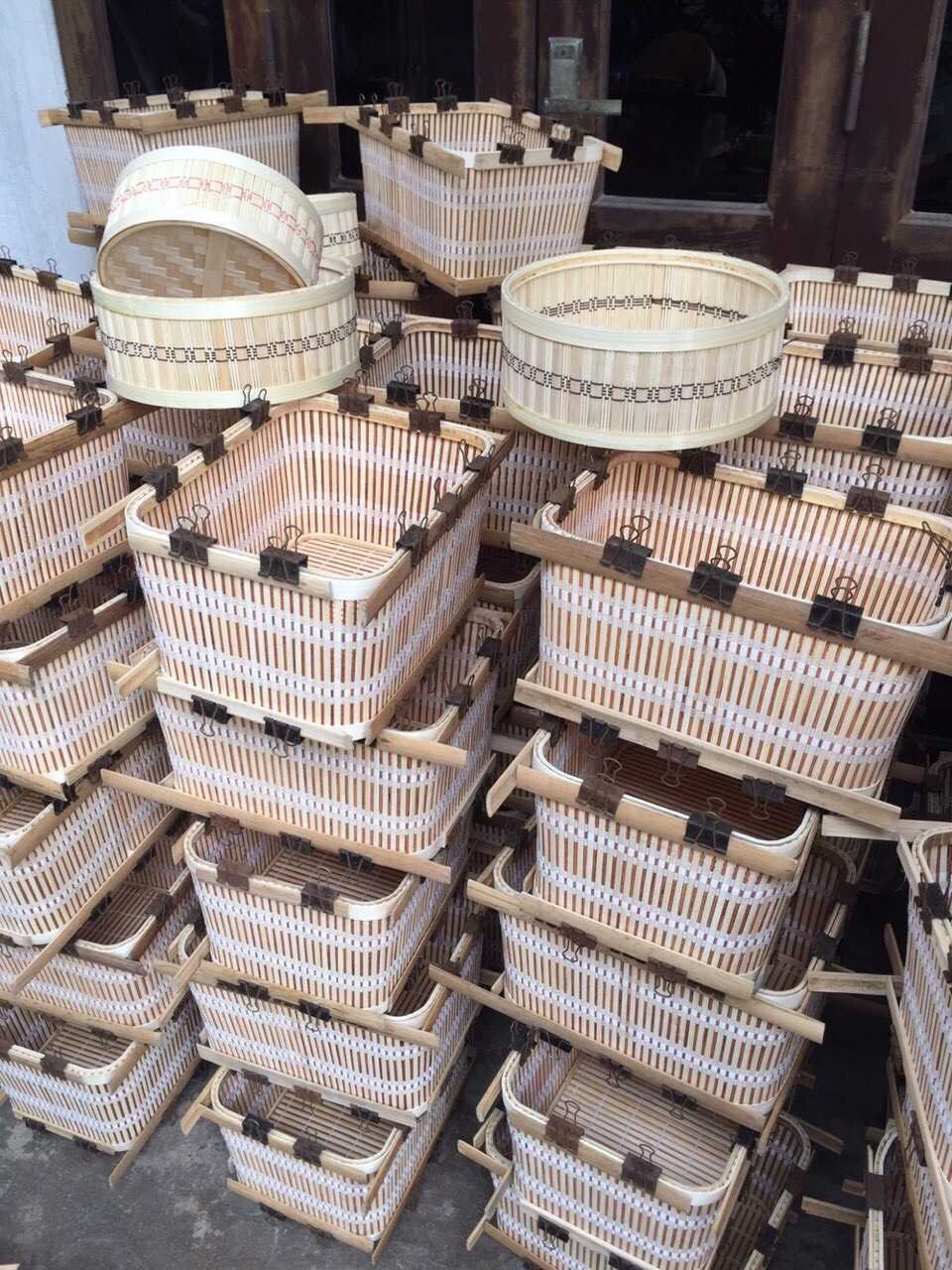
Factory visits. If possible, visit the factory or arrange for a third-party inspection. In my experience visiting handicraft workshops across Vietnam, the physical condition of the workspace and how workers handle materials tells you more about quality consistency than any brochure.
MOQs for Home Decor
Minimum order quantities (MOQs) in Vietnam's home decor sector vary widely depending on the product type and factory size:
Handcrafted items (baskets, lacquerware, ceramics): MOQs typically range from 100 to 500 pieces per design, though some smaller workshops will accept lower quantities at a higher unit price.
Machine-assisted products (glassware, molded items): MOQs tend to be higher, often 500-1,000 units.
Custom designs usually require higher MOQs than catalog products to justify tooling or mold costs.
For first-time orders, many factories will negotiate lower MOQs so you can test the product and the relationship. It is worth asking. If a factory will not budge on MOQs for a trial order, that is useful information about how they approach partnerships.
Logistics From Factory to Destination
Once production is complete, you will need to arrange shipping. Key considerations include:
Packaging requirements. Fragile items like ceramics and glassware need inner packaging (foam, bubble wrap, dividers) plus outer cartons rated for export. Discuss packaging specifications before production starts, not after.
Shipping method. Most home decor orders ship by sea freight (FCL or LCL) from Ho Chi Minh City (Cat Lai port) or Hai Phong. Air freight is an option for smaller, time-sensitive orders but costs significantly more per kilogram.
Incoterms. Clarify pricing terms early. FOB (Free on Board) is the most common arrangement for Vietnam exports, meaning the factory handles delivery to the port, and you arrange ocean freight from there. Make sure both parties agree on terms before production begins.
Quality inspection. Arrange a pre-shipment inspection, either in person or through a third-party inspection company, to check product quality, quantities, and packaging before goods leave the factory.
Common issues to watch for. With handcrafted home decor specifically, the most frequent problems I see are color inconsistency between batches, moisture content in natural fiber products (which can cause mold during ocean transit), and fragile items arriving damaged because inner packaging was insufficient. All three are preventable with clear specifications and a pre-shipment check.
Notable Home Decor Manufacturers in Vietnam
Vietnam has thousands of handicraft and home decor manufacturers, with over 774,000 registered production establishments according to Vietnam's Ministry of Agriculture and Rural Development. The factories listed below are a small sample. Depending on your product type, volume, quality requirements, and target price point, the best supplier for your project may not be on this list.
Pefso Company Limited
Pefso specializes in bamboo and natural material handicrafts. Established in 2009, Pefso partners with local farmers for raw materials and invests heavily in quality control. Their product range includes baskets, dishware, bamboo straws, and natural lamps. They export to clients in over 20 countries.
Oriental Home
Oriental Home is a bamboo gift and home decor company producing eco-friendly handcrafted products, often for higher-end buyers. Their range includes furnishings, trays, vases, frames, boxes, tableware, and decorative items made from bamboo, coconut, wood, and silk.
Nam Son
Nam Son focuses on seagrass and water hyacinth products, all manufactured from natural resources. The company holds BSCI compliance certification and produces baby products, lighting, kitchen goods, indoor planters, storage items, and pet supplies. Artisans in traditional Vietnamese craft villages make their goods.
Far Eastern Handicraft
Far Eastern Handicraft is based near Hanoi, about 80 km from Hai Phong Port. They operate a 24,000-square-foot factory with six showrooms and source heavily from local weaving villages. Materials include rattan, seagrass, bamboo, water hyacinth, and mother-of-pearl. Product categories cover storage, kitchen and dining, wall decor, mirrors, small furnishings, and lighting.
Work With Cosmo Sourcing for Vietnam Home Decor
Sourcing home decor from Vietnam does not have to mean navigating the process alone. Cosmo Sourcing has been connecting buyers with vetted Vietnamese factories since 2014, with a team based in Ho Chi Minh City that handles supplier matching, sample coordination, quality inspections, and logistics.
We work on a transparent flat-fee model, not commissions, so our incentive is to find you the best factory for your product, not the one that pays us the most. Typical engagements include direct introductions to two to six pre-vetted factories, original quotes from each, and ongoing support through production and shipping.
Whether you are sourcing rattan baskets, ceramic tableware, lacquerware gifts, or custom-designed home accessories, our team has done it before.
Get in touch:
Email: info@cosmosourcing.com
Visit: cosmosourcing.com/contact-us
Explore our sourcing services