What is Product Sourcing? // A Guide for Businesses
Product sourcing is the process of finding, evaluating, and purchasing products or materials from suppliers to sell or use in your business. It covers everything from identifying what you need to locating reliable manufacturers or wholesalers, negotiating pricing and terms, managing quality control, and arranging logistics to get goods to your door.
If you sell physical products, sourcing is the foundation on which your business runs. Get it right, and you protect your margins, maintain consistent quality, and keep inventory flowing. Get it wrong, and you end up with delays, defective goods, or costs that eat your profit.
I've spent over a decade helping businesses source products from Vietnam, China, and other manufacturing regions through Cosmo Sourcing. This guide breaks down how product sourcing works, the main methods available, and what the process actually looks like in practice.
updated Feb 20, 2026
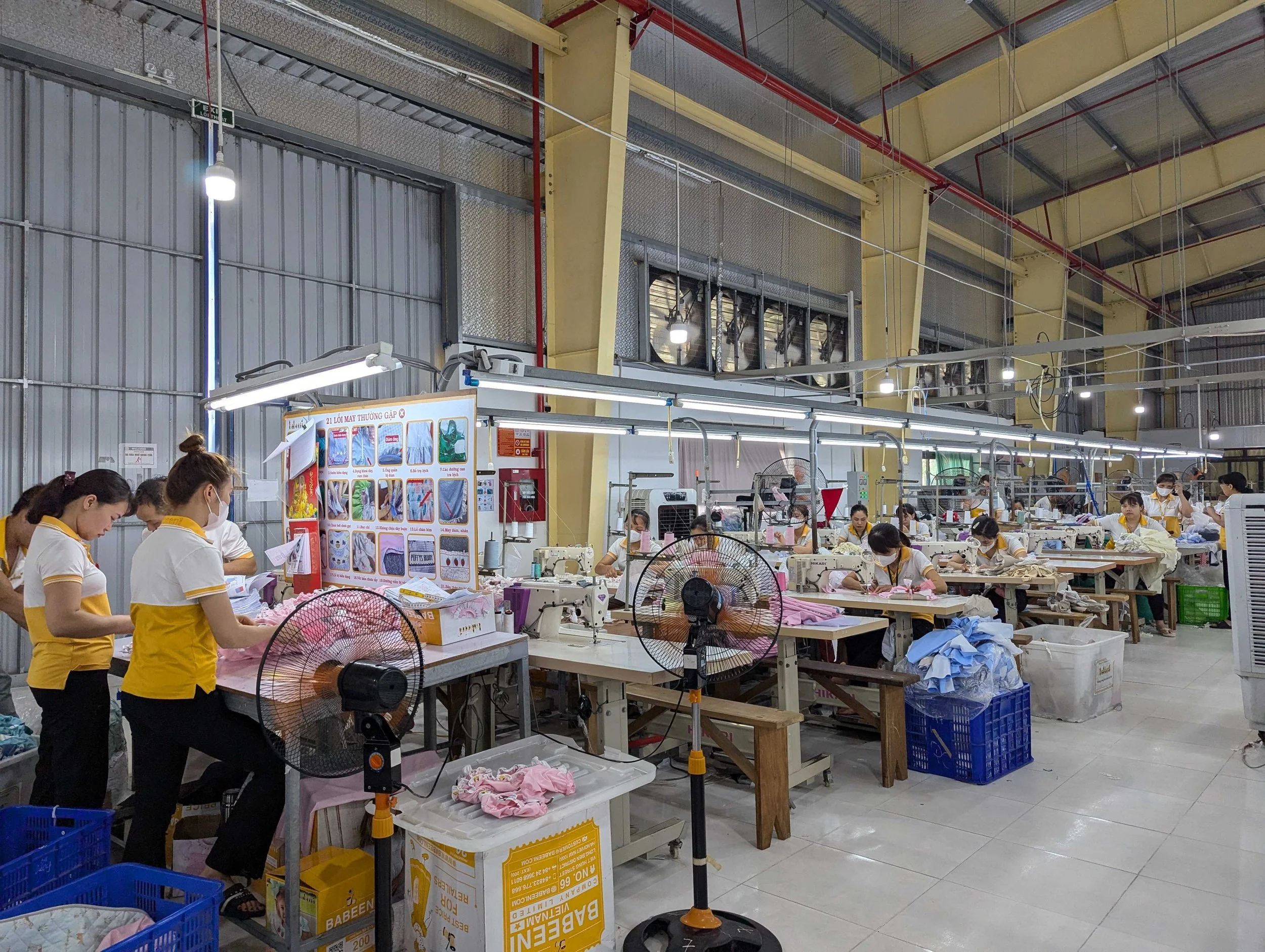
Why Product Sourcing Matters
Your sourcing decisions affect nearly every part of your business. The supplier you choose determines your cost per unit, which directly sets your profit margins. Their production quality becomes your product quality. Their lead times dictate your inventory planning. And their reliability (or lack of it) shapes your customers' experience.
Poor sourcing leads to problems that compound quickly: inconsistent product quality, unexpected cost increases, shipping delays, and, in some cases, legal and compliance issues. On the other hand, a well-structured sourcing strategy gives you a competitive advantage through better pricing, reliable supply, and the ability to scale production as demand grows.
Main Types of Product Sourcing
There are several ways to source products. The right approach depends on your business model, budget, order volume, and the level of control you need over the product.
Direct from Manufacturers
Working directly with a factory gives you the most control over product specifications, branding, and pricing. This is the standard approach for businesses that make private-label or custom products, and it typically delivers the lowest per-unit cost.
The tradeoff is complexity. Most manufacturers require minimum order quantities (MOQs), and managing an international factory relationship takes real time. From our experience at Cosmo Sourcing, businesses should expect to spend 3 to 5 hours per day per active supplier when managing relationships directly, factoring in communication across time zones, production updates, and quality follow-ups.
Wholesale Purchasing
Buying in bulk from wholesalers or distributors is a faster way to stock inventory without dealing directly with factories. You get lower per-unit pricing compared to retail, and you can start selling quickly.
The downside is less product differentiation. Other retailers may carry the same items, and you have limited ability to customize specifications or branding. You also need upfront capital and warehouse space to hold inventory.
Dropshipping
With dropshipping, a third-party supplier stores inventory and ships products directly to your customers. You never hold stock. This model requires minimal upfront investment, which makes it popular with new e-commerce sellers.
However, you sacrifice control over product quality, packaging, and shipping speed. Margins tend to be thinner, and customer experience issues are harder to resolve since you are not handling fulfillment.
Domestic Sourcing
Sourcing from manufacturers within your own country offers shorter lead times, easier communication, and simpler logistics. It eliminates customs duties and language barriers that come with overseas production.
The main limitation is cost. Labor and production expenses are significantly higher in countries like the U.S., Canada, and Australia than in manufacturing hubs in Asia or Latin America. For many product categories, domestic production is not competitive on price.
Overseas Sourcing
International sourcing, particularly from countries like China, Vietnam, India, and Mexico, is where most businesses find the best balance of cost, capability, and scale. Lower labor costs translate to better margins, and many of these countries have deep manufacturing expertise in specific product categories.
The challenges are real, though: longer shipping times, cultural and language differences, time zone gaps, and the complexity of international trade compliance. This is where working with an experienced sourcing company can make the difference between a smooth process and a costly mistake.
The Product Sourcing Process, Step by Step
Whether you source domestically or internationally, the core process follows a similar path.
Define Your Product Requirements
Start with a clear picture of what you need. That means detailed product specifications, target pricing, order quantities, quality standards, and your timeline. The more specific you are upfront, the more accurate your quotes will be and the fewer problems you will encounter during production.
Research the Market
Before you contact suppliers, understand what is already available. Look at competitor products, pricing benchmarks, and current demand trends. This helps you identify opportunities and the price points the market will support. Our product sourcing guide for online sellers covers this research phase in more detail.
Find Potential Suppliers
There are several ways to locate suppliers:
Online directories like Alibaba, Global Sources, 1688.com, and Made-in-China let you browse thousands of manufacturers. Be aware that not every listing is a real factory; many are trading companies. Our guide to top Alibaba alternatives covers the best platforms by region.
Trade shows like the Canton Fair, Vietnam Expo, or domestic industry events let you meet suppliers face-to-face, inspect samples, and build relationships.
Sourcing companies do the supplier identification and vetting for you. At Cosmo Sourcing, we maintain a network of over 14,000 vetted factories in Vietnam alone, as well as established relationships in China, Southeast Asia, and Mexico.
Industry referrals from other businesses or trade associations can lead to proven, reliable suppliers.
Evaluate and Vet Suppliers
Finding suppliers is the easy part. Vetting them is where the real work happens. You need to verify production capacity, quality certifications, export experience, and track record with other buyers.
Request references, review their business licenses, and if possible, conduct a factory audit or visit in person. I have personally visited hundreds of factories across Vietnam, from large-scale operations in Ho Chi Minh City and Binh Duong to smaller, specialized facilities in northern provinces such as Hai Phong and Thanh Hoa. What you see on the ground often differs from what looks good on a website.
We have had clients come to us after finding a "manufacturer" on Alibaba that had a professional listing, great photos, and competitive pricing. When we visited the address in person, it turned out to be a small trading office with no production facility. They were sourcing from actual factories and marking up 15 to 30 percent. This is not uncommon, and it is one of the main reasons on-the-ground verification matters. Watch out for common scams and red flags when evaluating unfamiliar suppliers.
Request Quotes and Samples
Get quotes from multiple suppliers for comparison. Always request physical samples before committing to a production order. Evaluate samples carefully against your specifications, because the sample is the benchmark your production run will be measured against.
Negotiate Terms
Negotiation covers more than just price. Discuss payment terms, MOQs, lead times, quality standards, defect tolerances, and what happens when something goes wrong. Clear agreements up front prevent disputes later.
Manage Production and Quality Control
Once a purchase order is placed, stay involved during production. Schedule inspections at key milestones: pre-production (materials check), during production (inline inspection), and before shipment (final inspection). Quality problems caught early are far cheaper to fix than problems discovered after goods arrive at your warehouse.
I have seen a furniture order in which the factory substituted a cheaper plywood core for the solid wood specified and approved in the sample. The client had not arranged any inline inspection, and the issue was only caught when the shipment arrived in the U.S., and the boxes were opened. At that point, the cost of returning or reworking the goods internationally made the order a near-total loss. A mid-production inspection would have flagged the material swap before a single container was packed.
Arrange Logistics and Shipping
Coordinate freight forwarding, customs clearance, and last-mile delivery. For international shipments, understand your Incoterms (FOB, CIF, EXW) and factor in duties, tariffs, and transit times when planning your inventory cycle. Comparing quotes from multiple freight forwarders can save on high costs for larger shipments.
Common Mistakes to Avoid
A few sourcing mistakes come up repeatedly, especially with businesses new to international procurement:
Choosing a supplier based on price alone. The cheapest quote often comes with hidden costs, such as quality problems, delays, or communication breakdowns. We worked with a client who chose a bag manufacturer quoting 20 percent below every other factory. Two production runs in, the zippers started failing at a rate that triggered returns from their retail partner. The cost of replacements, lost inventory, and the damaged retailer relationship far exceeded what they would have spent going with a slightly more expensive but proven factory from the start.
Skipping samples. Never commit to a production run without physically inspecting a sample first.
Not verifying the supplier is an actual factory. Many Alibaba and directory listings are from trading companies that resell at a markup. Ask for factory photos, business licenses, and export records.
Ignoring total landed cost. Your product cost is not just the factory price. Add shipping, customs duties, tariffs, inspection fees, and any warehousing costs to get the real number.
Underestimating communication needs. International sourcing requires consistent, clear communication. Time zone differences, language gaps, and cultural norms around business communication all affect the process.
For businesses sourcing from Asia specifically, our comparison of Vietnam, China, and India as sourcing destinations can help you evaluate which country fits your product category and business needs.
Work With Cosmo Sourcing For Your Product Sourcing!
If you are looking for a sourcing partner who does this work on the ground, Cosmo Sourcing connects you directly with vetted manufacturers in Vietnam, China, and Mexico. We operate on a flat-fee model with no hidden commissions or product markups. You get original factory quotes, direct supplier introductions, and hands-on support from sourcing through shipping.
Our team is based in Ho Chi Minh City with support in the U.S. and Mexico, and we have sourced over 10,000 products for more than 4,000 clients since 2012.
Get started: